
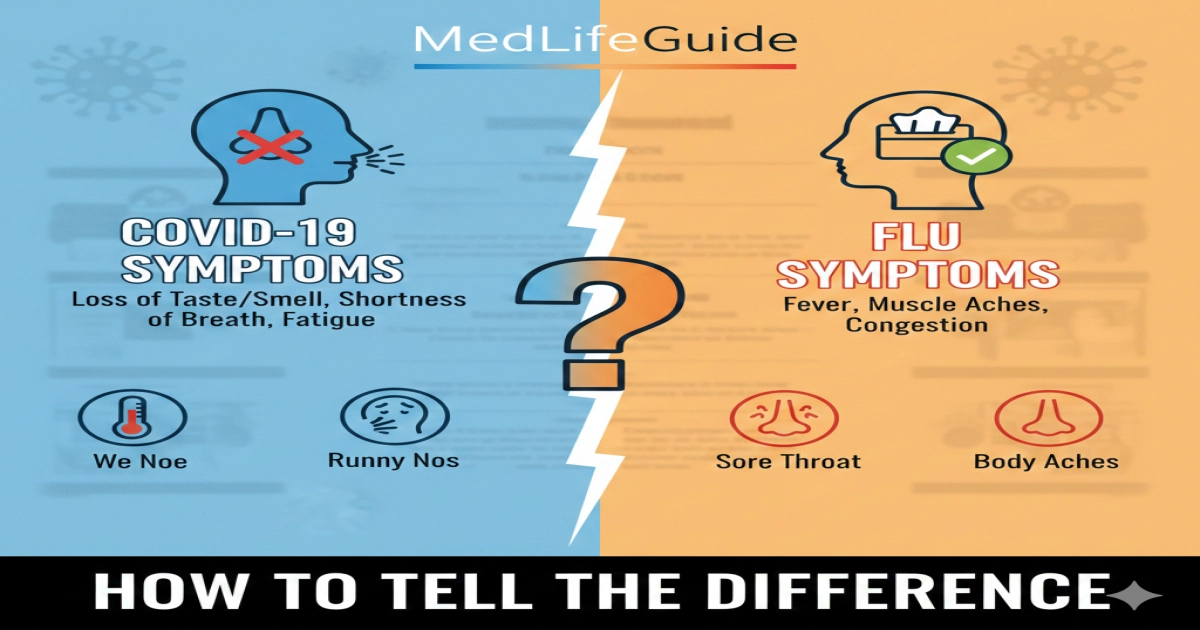
The symptoms of COVID vs flu overlap enough that many patients cannot reliably tell them apart without testing. Both are contagious viral respiratory illnesses that spread mainly through droplets and close contact. Both can cause mild illness or severe complications, especially in older adults and people with chronic medical conditions. However, they ar
The symptoms of COVID vs flu overlap enough that many patients cannot reliably tell them apart without testing. Both are contagious viral respiratory illnesses that spread mainly through droplets and close contact. Both can cause mild illness or severe complications, especially in older adults and people with chronic medical conditions. However, they are caused by different viruses, affect the body in different ways, and carry different short- and long-term risks.
Understanding the symptoms of COVID vs flu helps patients decide when to isolate, when to test, and when to seek medical care. This article provides a clear, structured comparison using current medical understanding, focused on patient safety.
What Is COVID-19?
COVID-19 is caused by the SARS-CoV-2 virus. It primarily affects the respiratory system but can also involve the heart, brain, kidneys, blood vessels, and immune system.
Key Characteristics of COVID-19
- Caused by a coronavirus, not an influenza virus
- Wide range of illness severity, from no symptoms to life-threatening disease
- Can cause long-term symptoms after the acute infection (Long COVID)
- Higher risk of blood clots and inflammatory complications compared to flu
What Is the Flu (Influenza)?
The flu is caused by influenza A or B viruses. It is a seasonal illness that circulates every year, most commonly in fall and winter.
Key Characteristics of Influenza

- Sudden onset of symptoms
- Strong muscle aches and fatigue are common
- Usually resolves within 1–2 weeks in healthy adults
- Long-term complications are less common than with COVID
Symptoms of COVID vs Flu: Side-by-Side Overview
Common Symptoms Shared by Both
COVID and flu can cause many of the same early symptoms, which makes clinical diagnosis difficult without testing.
Shared symptoms include:
- Fever or chills
- Cough
- Fatigue or weakness
- Headache
- Sore throat
- Muscle or body aches
- Nasal congestion or runny nose
These overlapping symptoms explain why laboratory testing remains important during respiratory illness season.
Key Differences in Symptoms of COVID vs Flu
Fever Patterns
COVID-19
- Fever may be mild, moderate, or absent
- Some patients never develop fever
Flu
- Fever is usually sudden and high
- Often one of the first symptoms
Cough and Breathing Symptoms
COVID-19
- Dry cough is common
- Shortness of breath may develop later
- Chest tightness may persist
Flu
- Cough is common but usually improves faster
- Shortness of breath is less common unless pneumonia develops
Loss of Taste or Smell
COVID-19
- Sudden loss of taste or smell is a distinguishing symptom
- May occur even without nasal congestion
Flu
- Rare
- Usually related to nasal blockage rather than nerve involvement
Gastrointestinal Symptoms
COVID-19
- Diarrhea, nausea, vomiting, and abdominal pain can occur
- More common than in flu
Flu
- GI symptoms occur mainly in children
- Less frequent in adults
Fatigue Duration
COVID-19
- Fatigue may last weeks or months
- Can interfere with daily functioning
Flu
- Fatigue is intense but usually short-lived
- Most patients recover baseline energy within 1–2 weeks
Symptom Timeline: COVID vs Flu
Onset Speed
COVID-19
- Symptoms may appear gradually
- Incubation period is usually 2–5 days
Flu
- Symptoms often appear suddenly
- Patients may feel well one day and very ill the next
Recovery Time
COVID-19
- Recovery varies widely
- Long COVID symptoms may persist beyond 3 months
Flu
- Most people recover fully within 7–14 days
Severe Symptoms and Complications
COVID-19 Complications
- Pneumonia
- Acute respiratory distress syndrome (ARDS)
- Blood clots (stroke, pulmonary embolism)
- Heart inflammation (myocarditis)
- Long COVID neurological and cognitive effects
Flu Complications
- Pneumonia
- Sinus and ear infections
- Worsening of asthma or heart disease
- Rare neurological complications
High-Risk Groups for Both Illnesses
People at higher risk for severe disease include:
- Adults over 65
- Pregnant individuals
- People with diabetes, heart disease, kidney disease, or lung disease
- Immunocompromised patients
COVID-19 has shown higher hospitalization and mortality rates in these groups compared to seasonal flu.
Unique Clinical Takeaways
1. Symptom Quality Matters More Than Symptom Count
In clinical practice, how a symptom feels often matters more than how many symptoms are present. COVID fatigue is often described by patients as persistent, crushing, and disproportionate to activity. Flu fatigue is intense but improves steadily with rest. This qualitative difference can guide clinical suspicion before test results return.
2. Smell and Taste Loss Indicates Neurological Involvement
Loss of smell in COVID is not simply nasal congestion. It reflects viral effects on olfactory nerve pathways. This mechanism does not typically occur with flu. Sudden smell loss without nasal blockage strongly favors COVID over influenza.
3. Long-Term Risk Is a Key Differentiator
Flu is primarily an acute illness. COVID carries a measurable risk of long-term symptoms affecting cognition, exercise tolerance, and autonomic function. This difference changes follow-up care, return-to-work decisions, and rehabilitation planning.
4. Reinfection Patterns Differ
Flu reinfections occur seasonally with strain changes. COVID reinfections can occur within the same year and may still cause significant symptoms, especially in unvaccinated or high-risk individuals.
When to Get Tested
Testing is recommended when:
- Symptoms overlap between COVID and flu
- You have known exposure
- You are high risk for complications
- Symptoms worsen or persist
Rapid antigen tests and PCR tests help distinguish between these illnesses.
When to Seek Medical Care
Seek urgent medical attention if you experience:
- Difficulty breathing
- Chest pain or pressure
- Confusion or trouble staying awake
- Blue or gray lips or skin
- Dehydration or inability to keep fluids down
Prevention Strategies
Vaccination
- Annual flu vaccination reduces severe illness and hospitalization
- COVID vaccination reduces severe disease, hospitalization, and death
Hygiene and Behavior
- Hand washing
- Mask use in high-risk settings
- Staying home when sick
Summary: Symptoms of COVID vs Flu
COVID and flu share many symptoms, but they differ in onset, duration, neurological effects, and long-term risk. Loss of taste or smell, prolonged fatigue, and variable symptom progression are more suggestive of COVID. Sudden high fever and rapid onset point more toward flu. Testing remains the most reliable way to distinguish between them.
Frequently Asked Questions (FAQs): Symptoms of COVID vs Flu
The main difference is symptom pattern and duration. COVID symptoms may appear gradually and can last weeks or months, while flu symptoms usually start suddenly and resolve within 1–2 weeks.
Yes. Both can cause fever, cough, fatigue, headache, sore throat, muscle aches, and nasal congestion. Because of this overlap, testing is often required to confirm the diagnosis.
Loss of taste or smell is common in COVID and rare in flu. When it occurs in flu, it is usually due to nasal congestion rather than nerve involvement.
COVID is more likely to cause shortness of breath, low oxygen levels, and lung complications such as acute respiratory distress syndrome compared to seasonal flu.
Flu symptoms typically last 7–14 days. COVID symptoms vary widely; some people recover in days, while others experience persistent symptoms for months.