
Cardiologists emphasize that heart health isn’t just about intense gym sessions or strict diets. In 2026, the focus has shifted toward lifestyle integration. By adopting habits like “weekend catch-up sleep,” prioritizing social connections, and choosing “movement snacks” over long periods of sitting, you can significantly lower you
Cardiologists emphasize that heart health isn’t just about intense gym sessions or strict diets. In 2026, the focus has shifted toward lifestyle integration. By adopting habits like “weekend catch-up sleep,” prioritizing social connections, and choosing “movement snacks” over long periods of sitting, you can significantly lower your risk of heart disease. Consistency in these small, surprising actions often outweighs occasional high-intensity efforts.
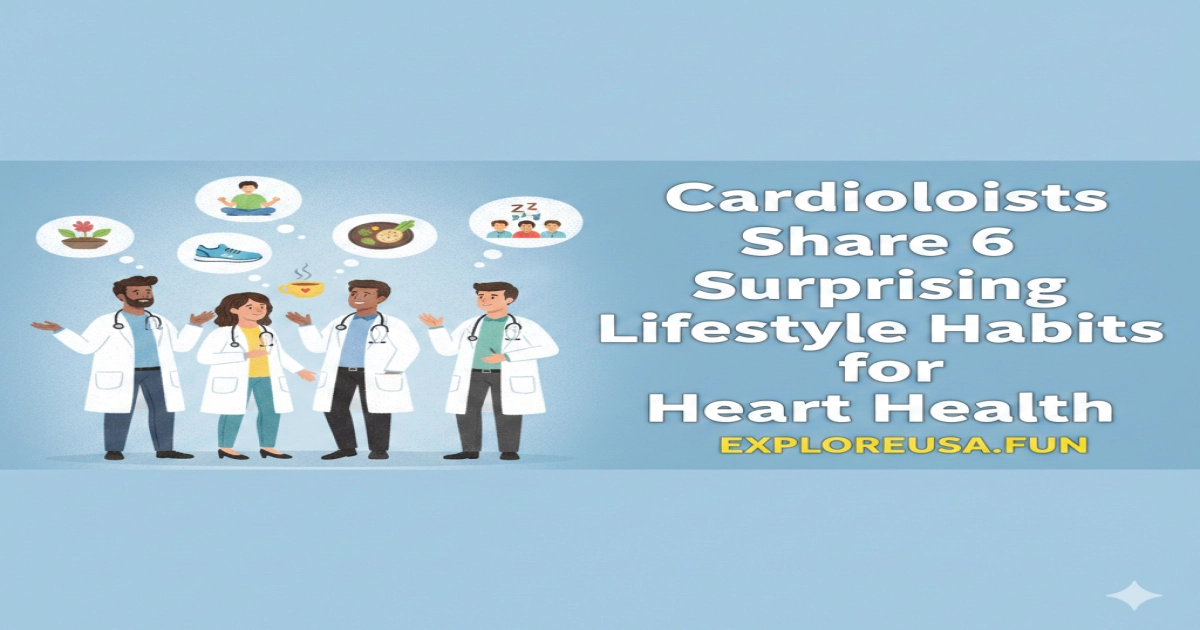
Cardiologists Share 6 Surprising Lifestyle Habits That Boost Heart Health
When we think about heart health, we often picture a person running on a treadmill or eating a bowl of plain oatmeal. While those are great, modern cardiology is uncovering that our “hidden” daily habits—the things we do without thinking—play an even bigger role in how long and how well our hearts beat.
Recent studies in 2026 show that heart disease is still a top health concern, but it is also one of the most preventable. If you want to protect your ticker, you don’t need to overhaul your entire life overnight. Instead, look at these six surprising habits that experts now say are secret weapons for a healthy heart.
1. The Power of “Movement Snacks”
For years, we were told we needed 30 minutes of solid exercise to count. However, new research highlights the danger of “sitting disease.” Even if you work out in the morning, sitting for eight hours at a desk can still hurt your heart.
Cardiologists now recommend movement snacks. This means getting up for just two to five minutes every hour.
- Why it works: These short bursts of walking or stretching help your body process blood sugar and keep your blood vessels flexible.
- Try this: Set a timer on your phone. When it goes off, walk to get water or do ten air squats.
2. Catch Up on Sleep During the Weekend
We’ve always heard that a consistent sleep schedule is best. While that remains true, 2026 data suggests that if you lose sleep during a busy work week, “catching up” on the weekend actually helps your heart.
A study involving over 1,800 adults found that those who added at least 90 minutes of extra sleep on Saturday or Sunday had lower calcium buildup in their heart arteries. This buildup is an early sign of heart disease. While you shouldn’t rely on this every week, those extra z’s can act as a “repair mode” for your cardiovascular system.
3. Cultivate “Heart-Healthy” Friendships
Social isolation is more than just a lonely feeling; it’s a physical risk factor. Cardiologists have found that people with strong social ties have a lower risk of stroke and heart attacks.
Being part of a community—whether it’s a local walking group, a book club, or just regular coffee with a neighbor—lowers your stress hormones. High stress (cortisol) can lead to inflammation, which damages your arteries over time. In fact, playing social sports like badminton has been linked to a 47% reduction in heart-related events because it combines movement with friendship.
4. Choose “Plant-Forward” Over “Plant-Only”
You don’t have to become a strict vegetarian to save your heart. The “all or nothing” approach often leads to people giving up entirely. Instead, the 2026 trend is plant-forward eating.
This habit focuses on making vegetables, beans, and whole grains the “star” of your plate, while meat becomes the “side dish.”
- The Benefit: This naturally reduces your intake of saturated fats and increases fiber. Fiber acts like a broom, sweeping “bad” LDL cholesterol out of your bloodstream before it can stick to your artery walls.
5. Mindful Breathing for Blood Pressure
We often ignore our breath, but it is a direct remote control for our heart rate. Chronic stress keeps your body in “fight or flight” mode, which keeps your blood pressure high.
Taking just three minutes twice a day to practice box breathing (inhale for 4 seconds, hold for 4, exhale for 4, hold for 4) can reset your nervous system. This habit helps lower your resting heart rate and makes your heart more “resilient” to the stresses of daily life.
6. Know Your “Hidden” Numbers
Most people know their weight, but cardiologists want you to know your Non-HDL Cholesterol and your A1c levels.
- Non-HDL Cholesterol: This is your total cholesterol minus the “good” kind. It is now considered a better predictor of heart risk than total cholesterol alone.
- A1c: This measures your average blood sugar over three months. High blood sugar can “sugar-coat” and damage your blood vessels.
Knowing these numbers early—especially in your 20s and 30s—allows you to make tiny shifts now that prevent major surgery later.
Key Takeaways for Your Heart
- Don’t just sit: Move for a few minutes every hour.
- Prioritize rest: If you miss sleep, try to make it up when you can.
- Stay connected: Your friends are literally good for your heart.
- Eat mostly plants: You don’t have to be perfect, just be “forward-thinking.”
- Breathe deep: Use your breath to lower your blood pressure.
- Check the data: Get your labs done once a year to stay ahead of the game.
By focusing on these surprising habits, you aren’t just living longer; you are living better. Your heart is a muscle that responds to how you treat it every single day. Start with one habit this week, and your heart will thank you for years to come.
Medical Disclaimer: The information provided in this article is for educational purposes only and is not intended as medical advice. Always seek the advice of your physician or another qualified health provider with any questions you may have regarding a medical condition. Never disregard professional medical advice or delay in seeking it because of something you have read here.