
A slow decline marks what happens when kidneys begin to shut down. Waste piles up inside the bloodstream since filtering stops working right. As things worsen, survival depends on either regular dialysis sessions or receiving a new organ. Without these steps, life cannot continue normally
Half of kidney function is lost in stage 3, often bringing issues such as high blood pressure or weak bones. Though kidneys are damaged, they still work enough to keep symptoms mild for some time. Problems tend to creep in slowly, showing up through fatigue or swelling. Blood pressure rises because kidneys help control it, so when they falter, the body struggles. Bone trouble may follow since kidneys manage minerals tied to bone strength. Each person’s path differs, yet common signs link back to how kidneys support overall balance
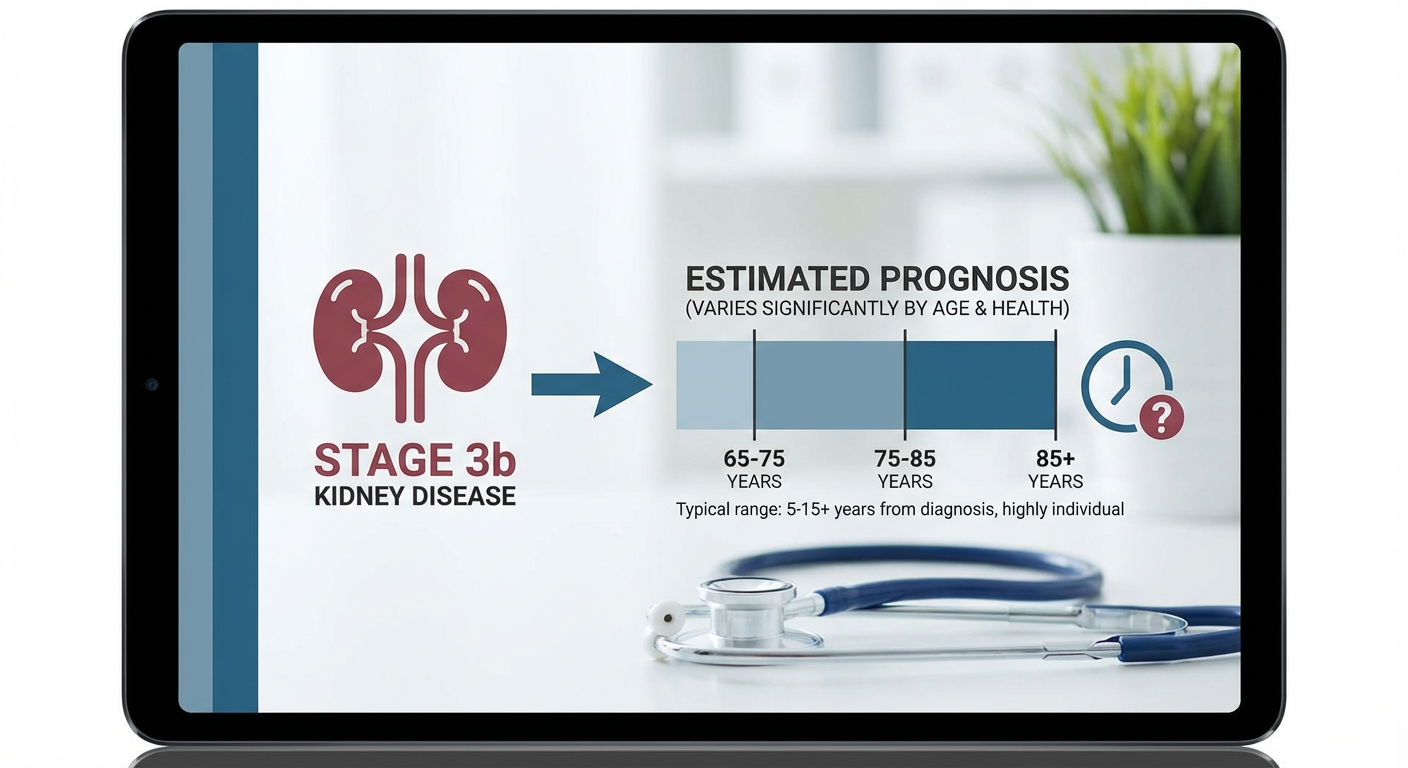
A look at 13 separate reports on stage 3 kidney illness showed death rates between 6 percent after three years and 51 percent across a decade. Still, movement toward stage 4 didn’t follow a steady pattern. Those in the 3B group tended to face higher chances of dying or getting sicker when compared to individuals classified as 3A
Stage 3 Kidney Disease and How It Affects Health
Not everyone with kidney issues lands in the same spot. Where you fall depends on how much function remains. That number comes from something called GFR – glomerular filtration rate. It splits things into five chunks. If yours is between 30 and 59, then it lines up with stage three. The lower the number gets, the harder your kidneys work to keep up.
Few folks notice anything off during stage 3 kidney disease. Still, signs might show up – like puffy fingers or ankles, a dull ache along the lower ribs, or bathroom trips that feel off-kilter
Worsening kidneys at stage 3 bring noticeable effects. Blood pressure often rises when filters slow down. Low red blood cell counts show up too. Weak bones can follow over time
Failing to manage stage 3 kidney issues can lead straight into stage 4. This next phase brings tough challenges, along with harder symptoms to face. Just one step ahead lies total kidney shutdown. When things reach here, speaking with a healthcare provider becomes necessary for what comes after
When kidneys stop working, dialysis becomes necessary – unless a transplant happens. Cleaning the blood through artificial means defines what dialysis does. One must weigh options because methods differ in how they operate. Receiving an organ from someone else offers another path forward. That person could be living or recently deceased, offering a functioning kidney. Skip ongoing treatments entirely if surgery goes well and the body accepts the new organ
Treatment Options for Stage Three Kidney Disease
A diagnosis of stage 3 kidney disease means past harm can’t be undone. What comes next focuses on managing problems from reduced function. Steps taken aim to slow additional decline. Healing old injury isn’t possible. Attention shifts toward what happens now. Keeping things from getting worse becomes key
These treatments include:
- Showing up on time for checkups with your physician matters. Visits to a kidney expert happen when needed. Other specialists join the plan if symptoms suggest it. Staying consistent makes monitoring easier. Each appointment tracks progress quietly. Missing one can shift the timeline. Following through keeps things moving
- Your blood sugar needs attention when diabetes is part of life
- Steer clear of drugs that can harm your kidneys more
- Monitoring and managing your blood pressure
- Changing yourdietto limit protein, high-cholesterolfoods, salt, and potassium
- Not smoking
- Exercising and staying active
- Monitoring your weight to remain healthy
- Attending to anemia (if you have it)
Medications might become part of your routine. What kind you take – or whether they’re needed at all – hinges on what’s behind your kidney issue. Examples can include:
- An angiotensin-converting enzyme (ACE) inhibitor which lowers your blood pressure
- A medication that targets receptors involved in blood pressure control, helping reduce high levels
- Diuretics to help flush out waste
- Some medicines might reduce cholesterol levels. A doctor may suggest one if needed. These work by changing how the body handles fats. They can make a difference over time. Each person reacts differently though
- A hormone called erythropoietin supports the creation of red blood cells. This becomes useful when someone has trouble making enough due to anemia. The body might lack these cells for various reasons, yet this substance plays a role in their production. Instead of relying only on transfusions, some turn to this natural helper. While not a cure, it assists where the system falls short
- Bones stay strong when vitamin D steps in. Without enough of it, they might weaken over time. This nutrient helps hold calcium in place where it is needed most. A steady supply keeps fractures at bay. Weakness sets in quietly if levels drop too low
- A phosphate binder (if you are struggling to eliminate phosphate)
Stage 3 Kidney Disease Overview
Earlier we said that stage 3 kidney trouble usually doesn’t turn into stage 4. Still, being in stage 3 means a higher chance of dying compared to those with fully working kidneys
At stage 3 kidney disease, strong symptoms often don’t show up. This moment works well for checking daily routines. Talking with physicians helps shape what comes next. Staying on track means showing up for visits, using prescribed meds. Eating well, moving regularly – these matter too. Watching numbers like blood pressure and glucose makes a difference. Health stays steadier when details get attention. Fewer surprises happen that way.