Introduction
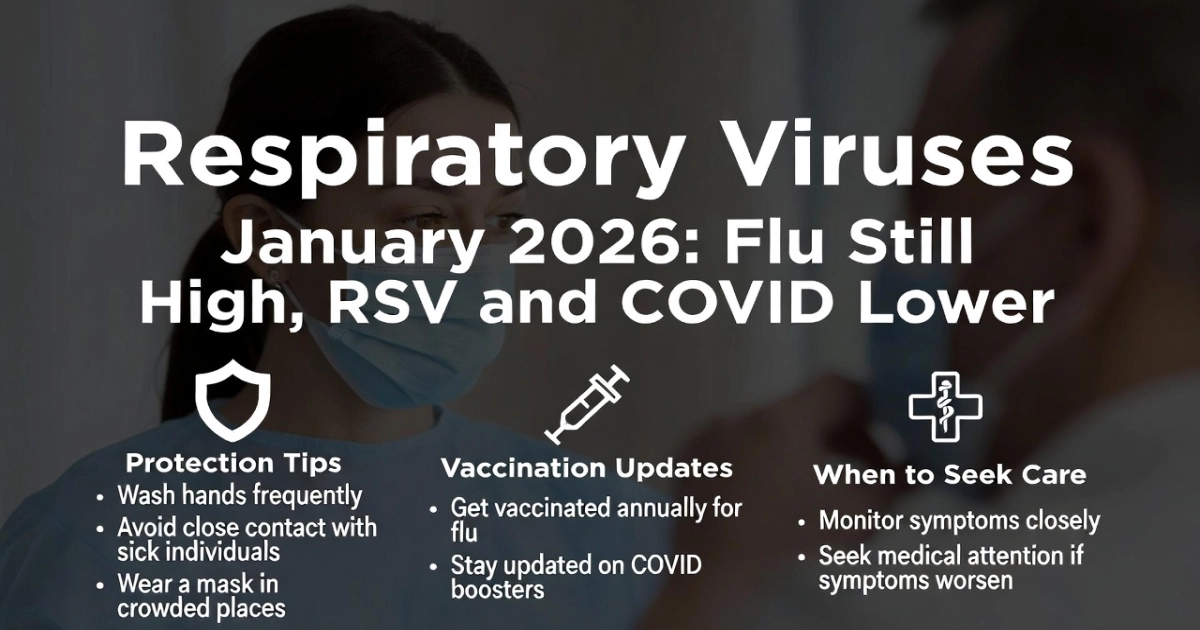
As of mid-January 2026, the United States is experiencing a mix of respiratory viruses. According to the Centers for Disease Control and Prevention (CDC), flu activity is high but decreasing in many areas. In contrast, Respiratory Syncytial Virus (RSV) levels are low, and COVID-19 activity is moderate, based on CDC wastewater surveillance and other data.
Current Levels
The current situation with respiratory viruses can be broken down into three main categories:
- Flu: Flu activity remains high, but it appears to have peaked in many areas, with the number of new cases starting to decline.
- RSV: RSV activity is low across the country, which is good news for young children and older adults who are most at risk of severe illness.
- COVID: COVID-19 activity is moderate, with signs of decreasing cases. However, it’s still important to monitor it closely, as COVID-19 can cause serious illness.
Differentiating and Managing
Managing respiratory viruses is challenging due to similar symptoms. Testing may be necessary to determine the cause of illness, especially for severe symptoms or high-risk individuals. Antiviral medications are available for both flu and COVID-19, and are particularly important for high-risk groups, such as older adults, young children, and people with certain chronic conditions.
Prevention
To prevent the spread of respiratory viruses, a combination of strategies is necessary. Key measures include:
- Vaccines: Getting the latest flu and COVID-19 vaccines is crucial for protection, especially for high-risk individuals to prevent severe illness.
- Hand hygiene: Frequent handwashing with soap and water or using hand sanitizer helps reduce virus transmission.
- Masks in crowds: Wearing masks in crowded areas or around sick individuals can help prevent virus spread.
- Ventilation: Improving indoor air quality by opening windows or using air purifiers can lower viral particle levels and reduce transmission.
Conclusion
This respiratory virus season, using multiple layers of protection is crucial for staying safe. High-risk individuals should consult their doctor about getting the latest flu and COVID-19 vaccines, as well as recommended boosters, to prevent severe illness. By understanding the current situation with flu, RSV, and COVID-19, and taking proactive steps, we can work together to reduce the impact of these viruses on our communities.