
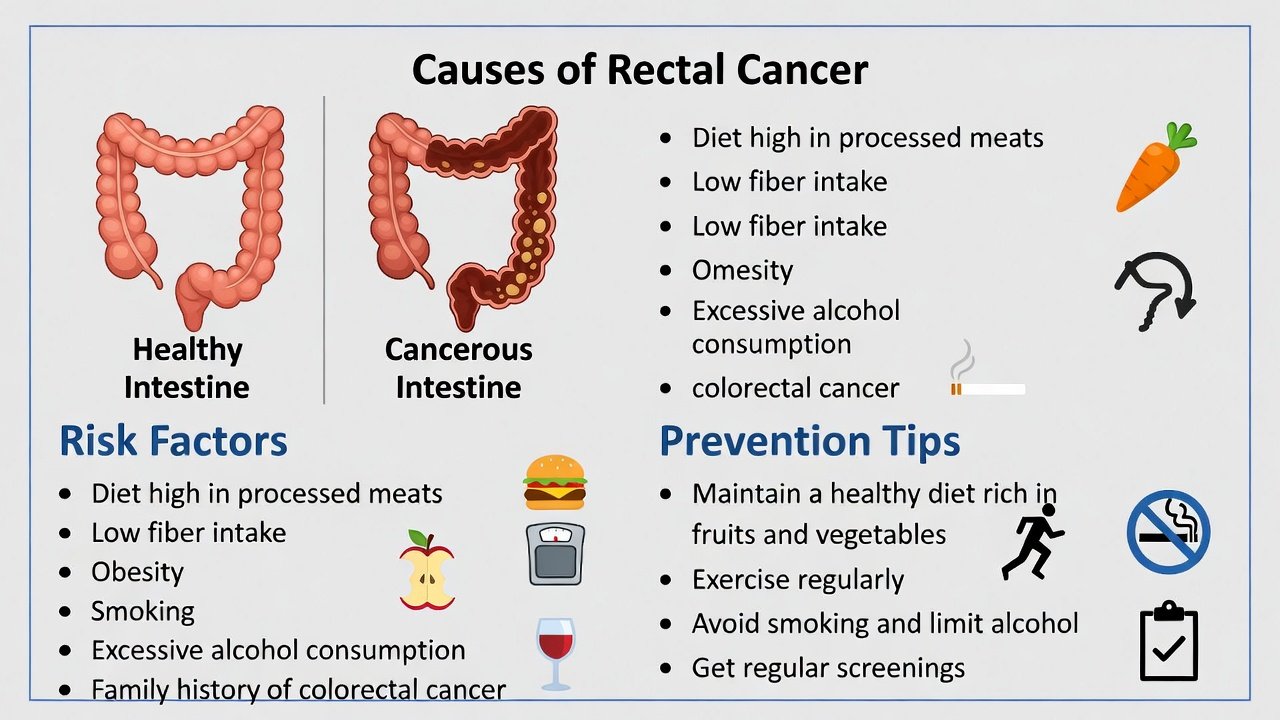
Rectal cancer is a serious disease that starts in the cells lining the rectum, the last part of the large intestine. Doctors often group it with colon cancer as colorectal cancer because they share many causes and risk factors.
The exact reason it happens isn’t always clear, but it often begins when normal cells pick up changes in their DNA. Thes
Rectal cancer is a serious disease that starts in the cells lining the rectum, the last part of the large intestine. Doctors often group it with colon cancer as colorectal cancer because they share many causes and risk factors.
The exact reason it happens isn’t always clear, but it often begins when normal cells pick up changes in their DNA. These changes make cells grow out of control and form tumors.
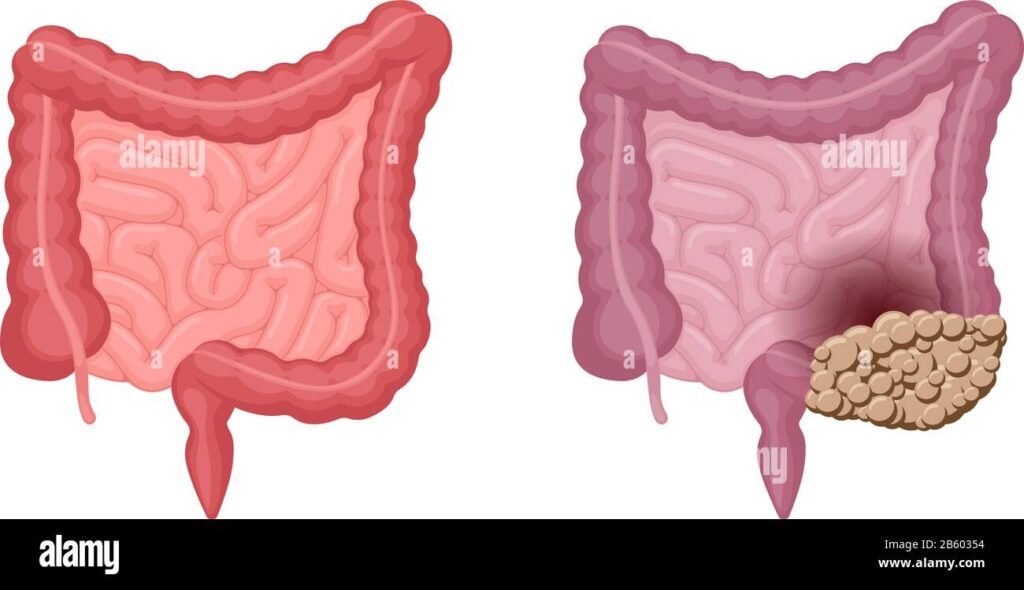
Human intestines anatomy strong healthy and unhealthy with colon …
This diagram shows healthy intestines compared to ones with cancer in the rectum area.
What Raises Your Risk?
Many things can make rectal cancer more likely. Some you can’t change, like getting older or your family background. Others come from daily habits and you can work to lower them.
Age plays a big role. Most cases show up after age 50, but lately more younger people under 50 are getting diagnosed. Recent reports show colorectal cancer has become the top cancer killer for adults under 50 in places like the US, with deaths rising slowly each year.
Family history and genes matter. If a close relative like a parent or sibling had colorectal cancer or certain polyps, your odds go up. Some inherited conditions, such as Lynch syndrome or familial adenomatous polyposis, greatly raise the risk because they cause many polyps or faulty cell repair.
Lifestyle choices affect your chances a lot. Being overweight or obese, especially around the belly, links to higher risk. A diet heavy in red meats like beef or pork, processed meats like bacon or hot dogs, and low in fruits, veggies, and fiber adds to the danger. Not moving enough or sitting too much also plays a part.
Smoking and heavy drinking hurt. Smokers face a bigger chance, and the more you smoke, the worse it gets. Drinking too much alcohol over time increases risk too.
Other health issues count. Type 2 diabetes, inflammatory bowel diseases like ulcerative colitis or Crohn’s, and past polyps or colorectal cancer make it more likely. Some studies note higher rates in certain groups, like Black people in the US.

Colorectal Cancer: Causes & Risk Factors – cCARE
Here’s a clear list of key risk factors for colorectal cancer, including rectal.
How Does It Develop?
Rectal cancer usually starts as a small growth called a polyp. Most polyps are harmless, but some turn cancerous over years if not removed. The process involves gene changes that build up. Things like poor diet or inflammation speed this up, but scientists still study why rates climb in younger folks—maybe linked to gut bacteria changes, processed foods, or obesity trends.
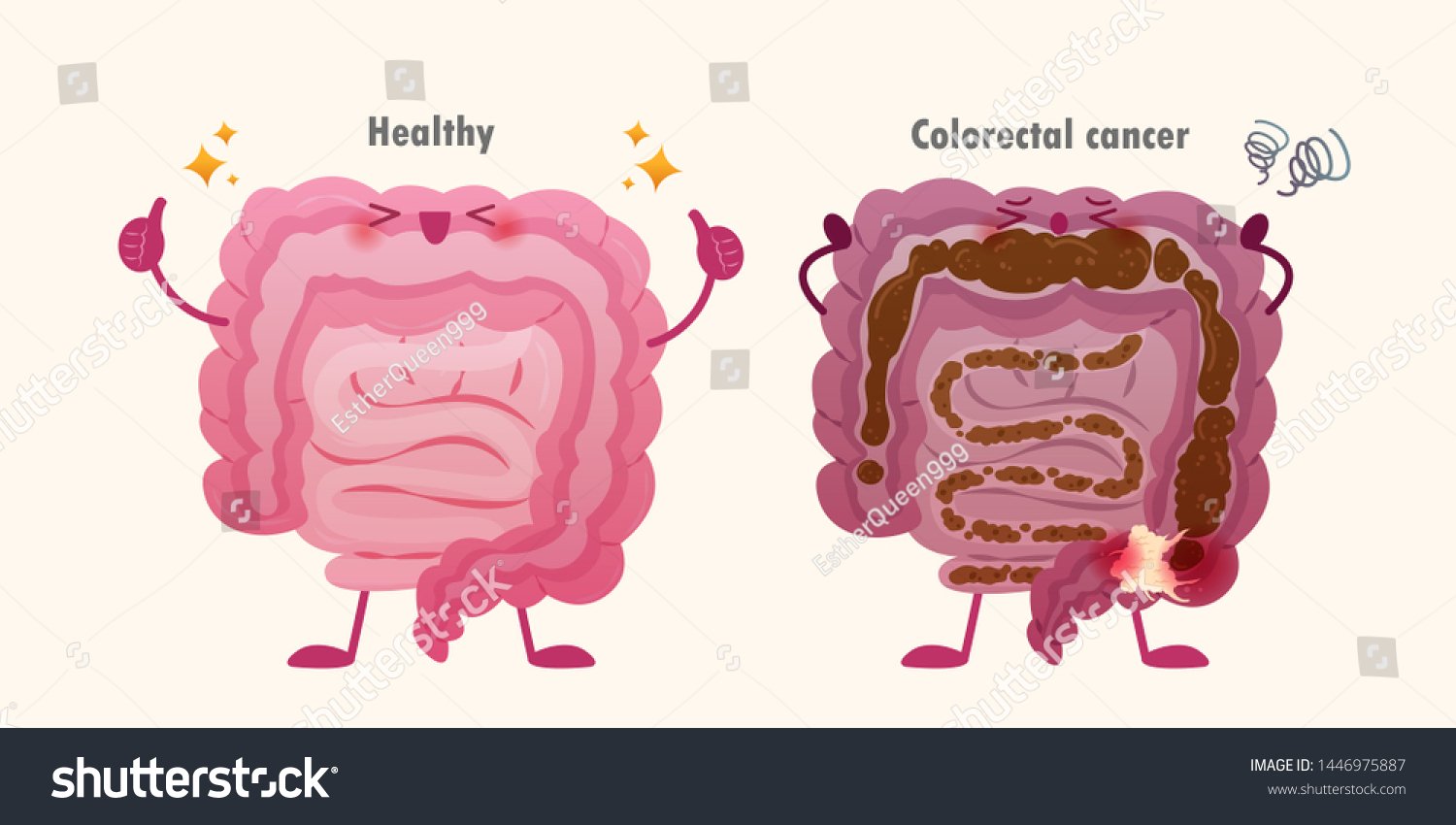
Healthy Unhealthy Intestine Colorectal Cancer Issue Stock …
This fun illustration compares a healthy intestine to one with colorectal cancer issues.
Can You Lower Your Risk?
Yes, many steps help cut the odds.
- Eat more fruits, vegetables, whole grains, and fiber-rich foods. Cut back on red and processed meats.
- Stay active. Aim for regular exercise like walking or sports most days.
- Keep a healthy weight through good eating and movement.
- Quit smoking if you do.
- Limit alcohol to moderate levels or none.
- Get screened starting at age 45 or earlier if high-risk. Tests like colonoscopy spot polyps early and prevent cancer.
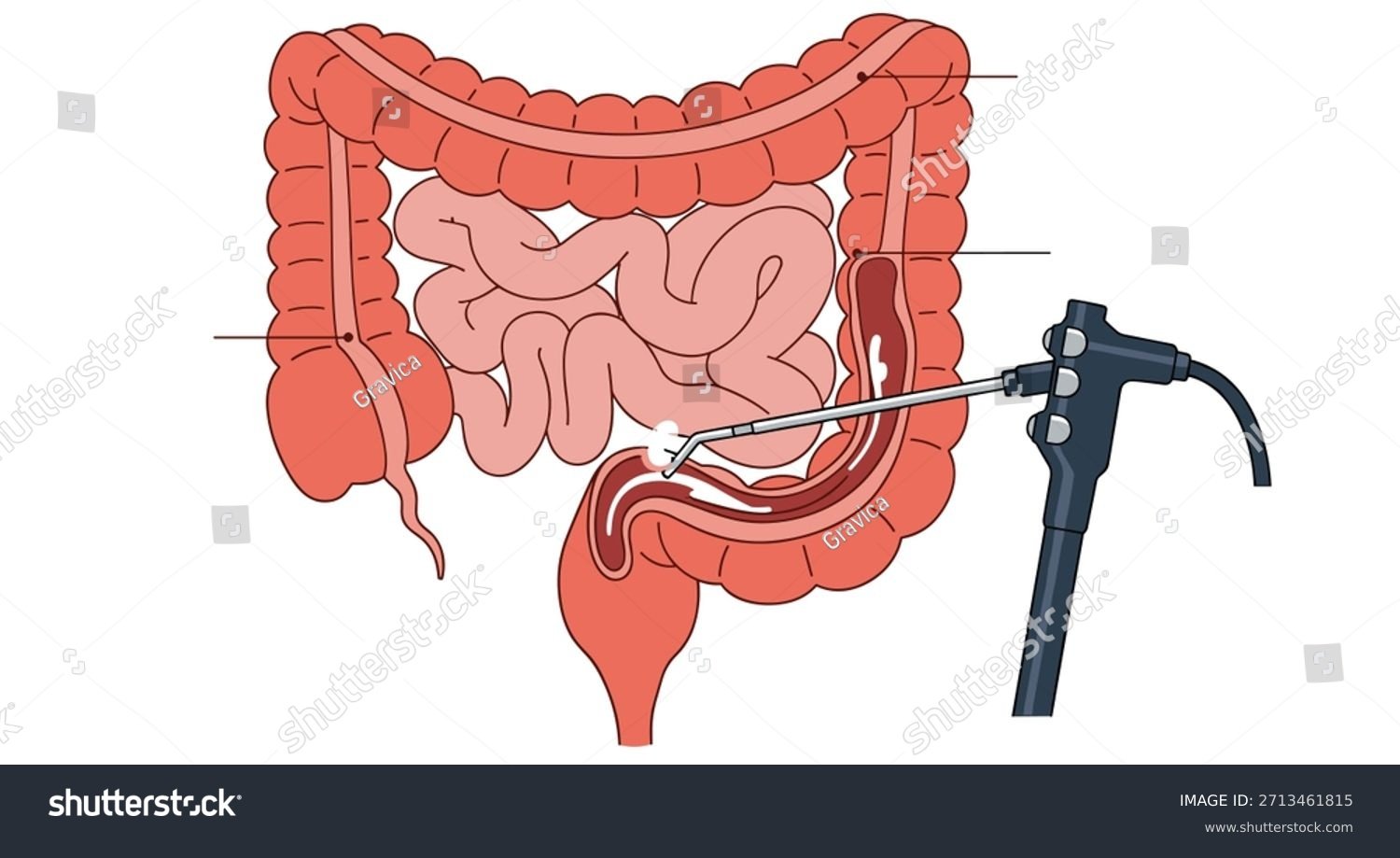
Unlabeled Medical Diagram Colonoscopy Procedure Endoscope Stock …
A colonoscopy uses a thin tube with a camera to check inside the colon and rectum.
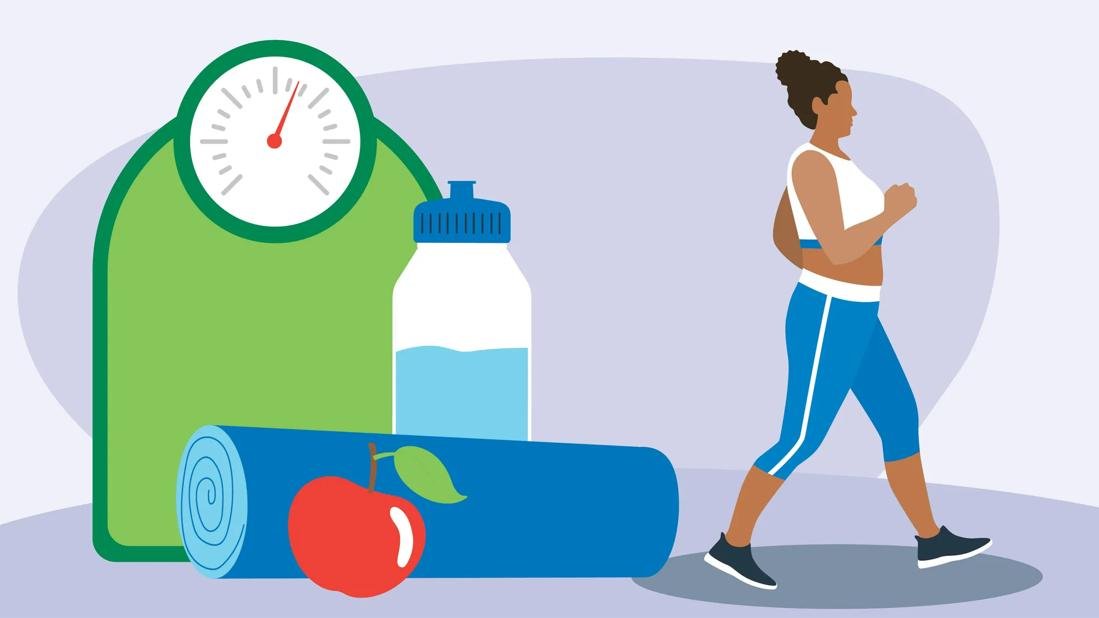
Prevention Tips for Colorectal Cancer Risk
Simple habits like exercise, healthy eating, and weight control help prevent issues.
These changes make a real difference. Experts say better screening and lifestyle shifts have dropped overall rates in older adults, though young-onset cases need more attention.
Final Thoughts
Rectal cancer doesn’t have one single cause, but understanding risks helps you take control. Talk to your doctor about your personal risks and when to start screening. Early action saves lives.
Medical Disclaimer: This article is for information only and not a substitute for professional medical advice. Always consult a qualified healthcare provider for diagnosis, treatment, or concerns about your health. Do not ignore symptoms or delay seeing a doctor based on this content.