
Medically Reviewed and Compiled by Dr. Adam N. Khan, MD.
Quick Answer: How to Prevent COPD Flare-Ups at Home
To prevent a COPD exacerbation (flare-up) at home, you must focus on three main pillars: strictly following your medication plan, avoiding environmental triggers (like smoke, dust, and extreme cold), and preventing infections through handwashin
Medically Reviewed and Compiled by Dr. Adam N. Khan, MD.
Quick Answer: How to Prevent COPD Flare-Ups at Home
To prevent a COPD exacerbation (flare-up) at home, you must focus on three main pillars: strictly following your medication plan, avoiding environmental triggers (like smoke, dust, and extreme cold), and preventing infections through handwashing and vaccinations. Early action is key—use a “COPD Action Plan” to spot small changes in your breathing or mucus before they become emergencies.
How to Prevent COPD Exacerbation at Home: A Complete Guide
If you live with Chronic Obstructive Pulmonary Disease (COPD), you know that a “flare-up” or exacerbation is more than just a bad day. It is a sudden worsening of symptoms—like extra shortness of breath or a change in your cough—that can land you in the hospital.
The good news? In 2026, we have better tools than ever to keep your lungs stable. By making a few smart changes at home, you can stay in control of your breathing and out of the emergency room.
1. Stick to Your Daily Maintenance

The most common reason for a flare-up at home is skipping medicine. Your daily maintenance inhalers (often called LAMAs or LABAs) are like a shield. They keep your airways open even when you feel “fine.”
- Never Stop Suddenly: Recent studies show that stopping your daily inhaler can cause a massive spike in flare-up risk for up to three months. Even if you feel great, keep using your medicine as prescribed.
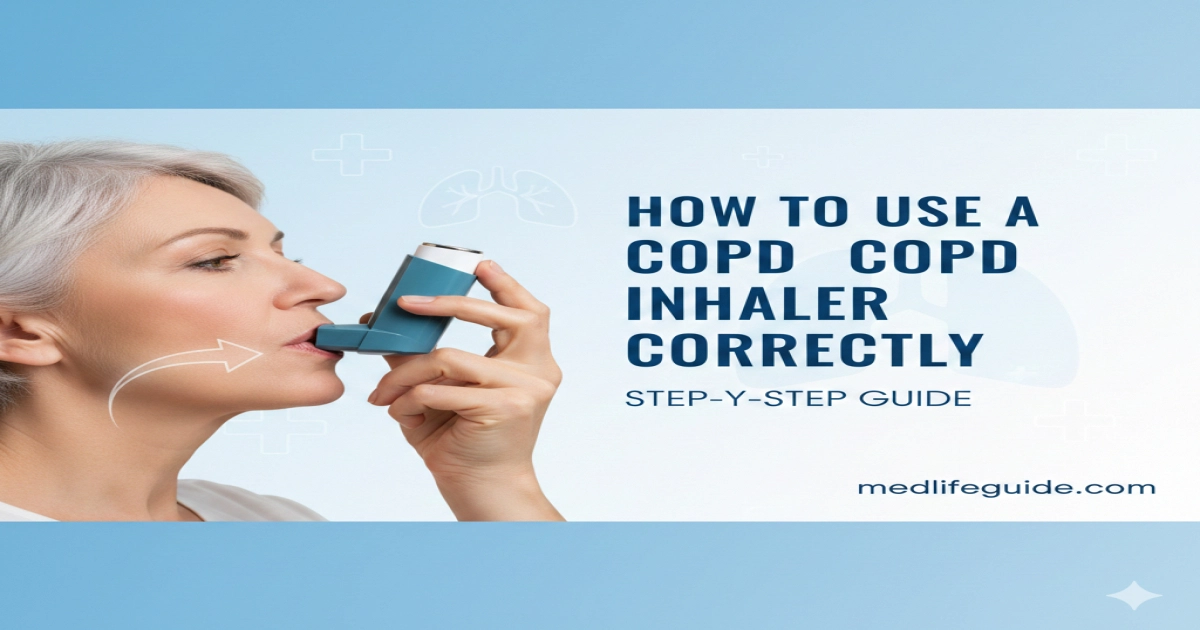
- Check Your Technique: If you aren’t breathing in the medicine correctly, it won’t reach your lungs. Ask your doctor to watch you use your inhaler during your next visit.
- Use a Spacer: If your inhaler is a “puffer” (MDI), using a spacer tube helps the medicine get deep into your chest instead of just hitting the back of your throat.
2. Master the “Pursed-Lip” Breathing
When you feel short of breath, your instinct is to pant. This actually traps “old air” in your lungs. Instead, use Pursed-Lip Breathing:
- Breathe in slowly through your nose for 2 seconds.
- Pucker your lips (like you are going to whistle or blow out a candle).
- Breathe out very slowly through your lips for 4 seconds.
This simple move keeps your airways open longer and helps you get rid of trapped carbon dioxide.
3. Create a Lung-Safe Home Environment
Your home should be a sanctuary for your lungs. Tiny particles in the air can trigger a major flare-up.
- Ban Indoor Smoking: This is the #1 rule. No smoking or vaping should happen inside your home.
- Scent-Free Living: Strong smells from perfumes, scented candles, and harsh cleaning sprays (like bleach or ammonia) can irritate your airways. Switch to “fragrance-free” products.
- Control the Humidity: Air that is too dry can make your mucus thick and hard to cough up. Air that is too humid can grow mold. Aim for a “sweet spot” of about 40% to 50% humidity.
4. Guard Against Infections
In 2026, we know that viral infections are the biggest trigger for COPD hospital stays.
- Wash Your Hands: It sounds simple, but washing your hands with soap for 20 seconds after being in public is your best defense.
- Stay Up-to-Date on Vaccines: Ensure you have the latest flu, pneumonia, and COVID-19 shots. These aren’t just “suggestions”—they are life-saving tools for someone with COPD.
- Avoid Sick Crowds: During peak flu season, try to avoid large indoor crowds or wear a high-quality mask (like an N95) if you must go out.
5. Watch Your Mucus
A change in your mucus (phlegm) is often the first “smoke alarm” of a flare-up.
- Color Check: If your mucus changes from clear/white to yellow, green, or brown, an infection might be starting.
- Thickness: If your mucus becomes thick and sticky, you need to hydrate. Drink plenty of water to keep the mucus thin so you can cough it out easily.
6. Eat Small, Frequent Meals
A full stomach can push up against your diaphragm, making it harder for your lungs to expand. Instead of three big meals, try five or six small snacks. Focus on protein (like eggs, chicken, or beans) to keep your breathing muscles strong.
When to Call the Doctor
Even with the best care, flare-ups happen. Use the “Traffic Light” system:
- Green: You feel normal. Keep your routine.
- Yellow: You are more tired, coughing more, or your mucus has changed. Call your doctor now. They may want you to start a “rescue pack” of steroids or antibiotics.
- Red: You can’t catch your breath even while sitting, you have chest pain, or your fingernails look blue. Call 911 immediately.