
Medically Reviewed and Compiled by Dr. Adam N. Khan, MD.
Understanding the Roots of Pancreatic Cancer
When we talk about pancreatic cancer causes, it is important to understand that there is rarely just one single reason why this disease develops. Instead, it is usually a mix of things we are born with and choices we make throughout our lives. Th
Medically Reviewed and Compiled by Dr. Adam N. Khan, MD.
Understanding the Roots of Pancreatic Cancer
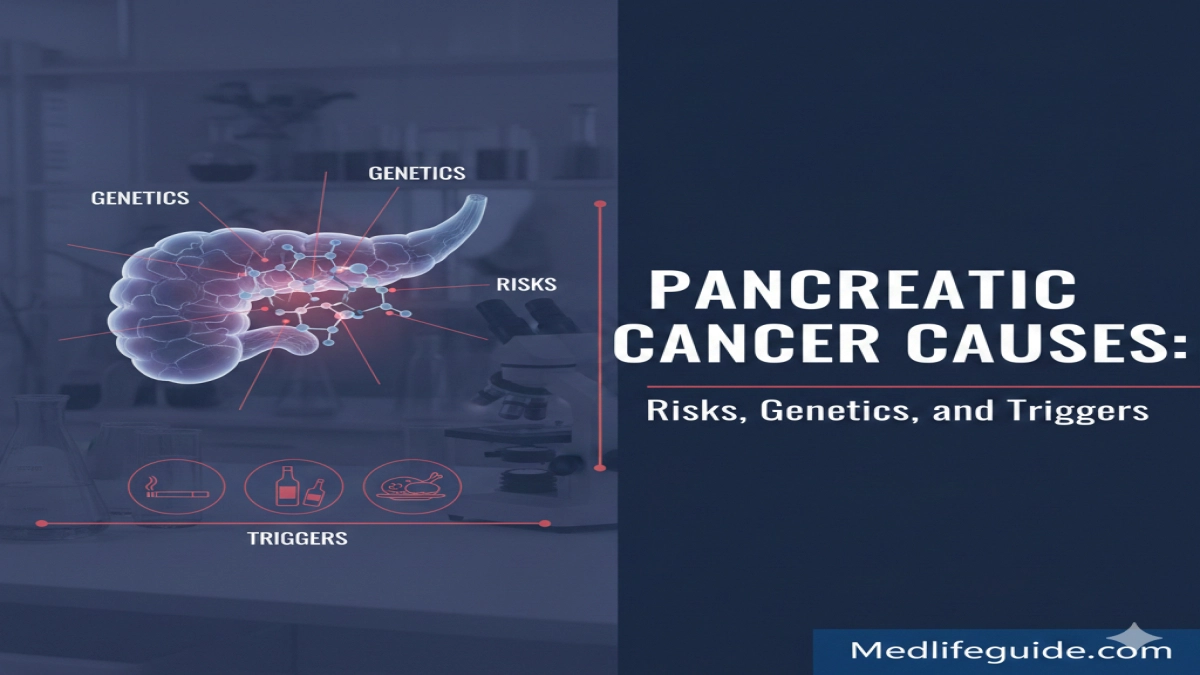
When we talk about pancreatic cancer causes, it is important to understand that there is rarely just one single reason why this disease develops. Instead, it is usually a mix of things we are born with and choices we make throughout our lives. The pancreas is a vital organ that helps us digest food and manage blood sugar. When cells in this organ start to grow out of control, it leads to cancer.
In 2026, medical research has come a long way in identifying why this happens. While we cannot control everything, knowing the risk factors gives us the power to make better choices for our health. This article explores the known causes, genetic links, and lifestyle habits that play a role in the development of pancreatic cancer.
1. Lifestyle Factors You Can Change
Most cases of pancreatic cancer are not inherited. Instead, they are “acquired,” meaning they happen because of external factors. These are often the most significant pancreatic cancer causes because they are within our control.
Smoking and Tobacco Use
Smoking is one of the biggest red flags. Research shows that people who smoke are about twice as likely to get pancreatic cancer compared to those who have never smoked. The chemicals in tobacco damage the DNA of pancreatic cells, causing them to malfunction.
- The Good News: If you stop smoking, your risk begins to drop immediately. After 10 to 20 years of being smoke-free, your risk levels return to nearly the same as someone who never started.
Weight and Obesity
Carrying extra weight, especially around the waist, is a major concern. Obesity increases inflammation in the body and changes how your body uses insulin. Scientists believe these changes can trigger the growth of cancer cells in the pancreas.
- The Goal: Maintaining a healthy Body Mass Index (BMI) and staying active can significantly lower your odds.
Diet and Alcohol
What you eat matters. A diet very high in red meats (like beef and pork) and processed meats (like bacon and deli meats) has been linked to a higher risk. On the flip side, a diet rich in colorful vegetables and fruits seems to offer protection.
- Alcohol’s Role: While a casual drink may not be the primary cause, heavy alcohol use leads to chronic inflammation of the pancreas (pancreatitis), which is a direct stepping stone to cancer.
2. Health Conditions as Hidden Triggers
Sometimes, other health issues act as the underlying pancreatic cancer causes. If you have certain chronic conditions, your doctor may want to monitor your pancreatic health more closely.
Type 2 Diabetes
The link between diabetes and pancreatic cancer is a “two-way street.” Long-standing diabetes can increase your risk. However, a sudden onset of diabetes in an older adult who has no family history of the disease can actually be an early warning sign that a tumor is already forming.
Chronic Pancreatitis
Pancreatitis is a painful inflammation of the pancreas. If this inflammation happens over and over again for many years, it can permanently damage the cells. This long-term damage makes it much easier for cancer to take hold.
3. The Role of Genetics and Family History
About 10% of pancreatic cancers are considered “hereditary.” This means a person is born with a specific gene change (mutation) passed down from their parents.
Inherited Gene Mutations
You might have heard of the BRCA1 and BRCA2 genes in relation to breast cancer. Interestingly, these same genes are also major pancreatic cancer causes. Other syndromes, such as Lynch Syndrome or Peutz-Jeghers Syndrome, also significantly raise the risk.
Family Clusters
If two or more of your “first-degree” relatives (parents, siblings, or children) have had pancreatic cancer, your risk is higher. In these cases, doctors often recommend genetic counseling to see if there is a pattern in your family’s DNA.
4. Environmental and Occupational Risks
Where you work and what you breathe in can also be factors. People who work in certain industries may be exposed to harmful chemicals that are known pancreatic cancer causes.
- Pesticides: Used in heavy farming.
- Dyes and Chemicals: Used in metalworking or dry cleaning.
- Petrochemicals: Exposure to certain oil-based products.
While these risks are lower for the general public, they are significant for industrial workers who handle these substances daily without proper protection.
5. Non-Modifiable Factors: Age and Background
There are some things we simply cannot change, but being aware of them helps us stay vigilant.
- Age: The risk of pancreatic cancer goes up as we get older. Most people are diagnosed after age 60.
- Race: Statistics show that Black Americans have a slightly higher rate of pancreatic cancer than other groups. The reasons aren’t fully understood yet, but it may involve a mix of genetics and access to healthcare.
- Gender: Men are slightly more likely to develop the disease than women, often attributed to higher historical rates of smoking.
Takeaway Summary Table
| Category | High-Risk Factors | Prevention Steps |
| Lifestyle | Smoking, Obesity, Heavy Alcohol | Quit tobacco, Manage weight |
| Diet | High Red/Processed Meat | Eat more plants and fiber |
| Medical | Type 2 Diabetes, Chronic Pancreatitis | Regular check-ups, Manage blood sugar |
| Genetics | BRCA mutations, Family history | Genetic counseling and screening |
| Environment | Industrial chemicals, Pesticides | Use protective gear at work |
How to Lower Your Risk in 2026
While there is no way to 100% prevent the disease, you can “stack the deck” in your favor. Focus on what you can control:
- Quit all forms of tobacco.
- Eat a “rainbow” of vegetables to get natural antioxidants.
- Keep your blood sugar in check through exercise and a low-sugar diet.
- Know your family history. If cancer runs in your family, talk to a specialist early.
Summary of Key Points
Understanding pancreatic cancer causes is the first step toward prevention. By addressing lifestyle choices like smoking and diet, and staying aware of genetic risks, you can take a proactive role in your health. Early detection is difficult, so minimizing your risk factors is the most effective tool we have today.