
Nipah virus (NiV) is a rare but very serious germ that can jump from animals to humans. First found in 1998, it has caused several small outbreaks in South and Southeast Asia. Because this virus has a high death rate—between 40% and 75%—health experts watch it very closely. In early 2026, new cases among healthcare workers in West Bengal, India, reminde
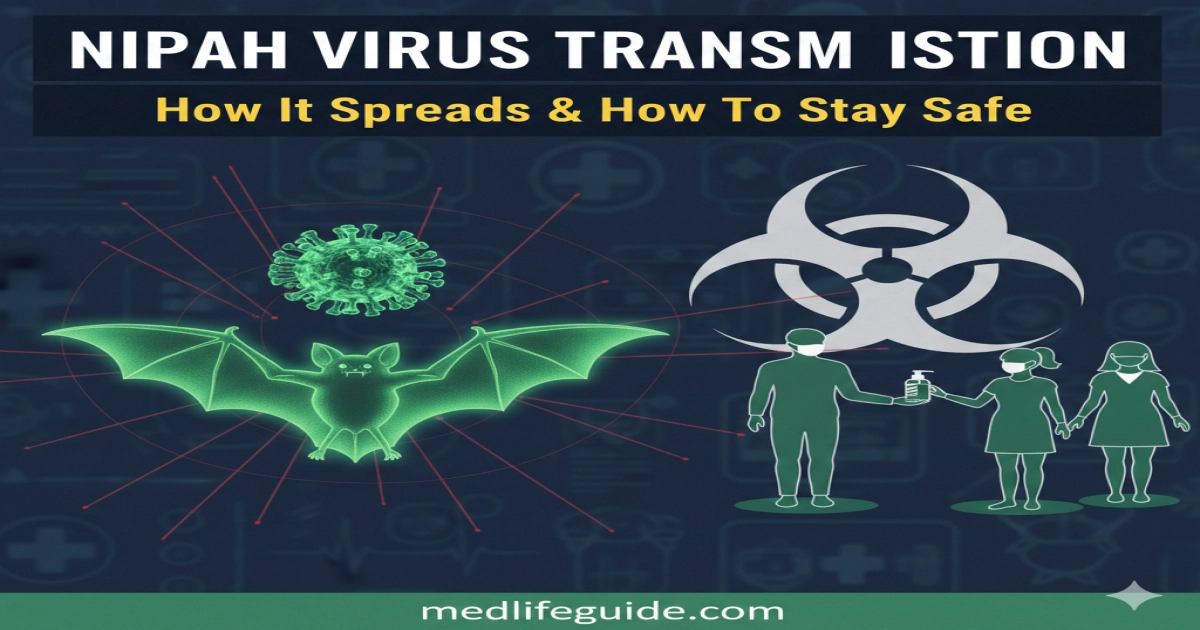
Nipah virus (NiV) is a rare but very serious germ that can jump from animals to humans. First found in 1998, it has caused several small outbreaks in South and Southeast Asia. Because this virus has a high death rate—between 40% and 75%—health experts watch it very closely. In early 2026, new cases among healthcare workers in West Bengal, India, reminded the world why we must stay informed about how this virus travels.
The Journey from Bats to Humans
The main “home” for the Nipah virus is the fruit bat, also known as the flying fox. These bats carry the virus but do not get sick from it. The virus spreads to humans in three main ways:
- Contaminated Food: This is the most common way people get sick. Bats often drink sap from date palm trees or eat fruit from orchards. If they leave behind spit or urine in the sap or on the fruit, a person can become infected by eating or drinking those items raw.
- Sick Animals: In some places, the virus moves from bats to other animals first. Pigs, horses, and even dogs can catch it. People who work closely with these sick animals, especially farmers or butchers, are at a higher risk.
- Direct Contact: Touching the blood, pee, or spit of an infected bat or pig can pass the virus directly to a person.
How People Spread It to Each Other
While Nipah starts with animals, it can also spread from person to person. This usually happens when someone is very sick and a family member or nurse is providing care without protection.
The virus is found in a sick person’s cough, spit, and urine. In the 2026 West Bengal outbreak, two nurses became ill after caring for an undiagnosed patient. This shows that close physical contact is the biggest risk factor for human-to-human spread.
Recognizing the Symptoms
If someone catches the virus, they usually start feeling sick within 4 to 14 days, though it can sometimes take longer. The early signs often look like a bad case of the flu:
- High fever and headache
- Muscle pain and feeling very tired
- Sore throat and a cough
- Vomiting
As the illness gets worse, it can affect the brain. This is called encephalitis. A person might feel dizzy, confused, or have trouble staying awake. In very severe cases, they may have seizures or fall into a coma within 24 to 48 hours.
Why 2026 is Different
Health organizations like the World Health Organization (WHO) and the CDC have improved how they track these outbreaks. In 2026, authorities used “One Health” teams that look at humans, animals, and the environment all at once to stop the virus faster. While there is still no vaccine or specific cure, early hospital care—like helping the patient breathe—has helped more people survive.
Practical Tips to Stay Safe
You can greatly lower your risk by following these simple steps, especially if you live in or travel to areas where the virus has been found:
- Boil Date Palm Juice: Never drink raw date palm sap. Boiling it kills the virus.
- Wash and Peel Fruit: Always wash fruit with clean water. Avoid eating fruit that has bite marks or was found on the ground.
- Keep Your Hands Clean: Regular handwashing with soap and water is one of the best ways to stop many germs, including Nipah.
- Avoid Bat Roosts: Stay away from areas where bats sleep or gather.
- Use Protection Around Animals: If you work with pigs or other farm animals, wear gloves and masks to stay safe.
Quick Takeaways
- Nipah is a zoonotic virus, meaning it jumps from animals to humans.
- Fruit bats are the primary source of the virus.
- Human-to-human spread occurs through very close contact with a sick person’s fluids.
- Prevention is key, as there is currently no approved vaccine.
Medical Disclaimer: The information provided in this article is for educational purposes only and is not intended as medical advice. Always seek the advice of your physician or other qualified health provider with any questions you may have regarding a medical condition. Never disregard professional medical advice or delay in seeking it because of something you have read here.