
Nipah virus (NiV) is a zoonotic viral pathogen with high case fatality (40‑75%) that can cause severe encephalitis and respiratory illness in humans. Reservoir hosts are fruit bats (Pteropus spp.), and transmission to humans occurs via direct contact with infected animals or people, or through contaminated food, especially raw date palm sap and fruit wit
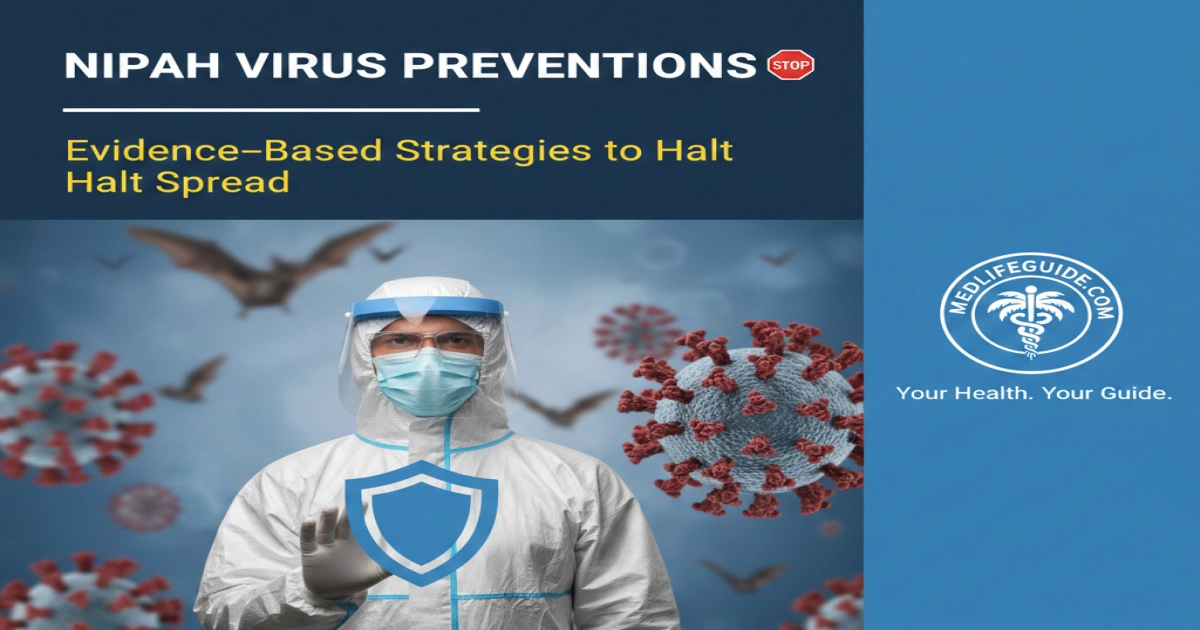
Nipah virus (NiV) is a zoonotic viral pathogen with high case fatality (40‑75%) that can cause severe encephalitis and respiratory illness in humans. Reservoir hosts are fruit bats (Pteropus spp.), and transmission to humans occurs via direct contact with infected animals or people, or through contaminated food, especially raw date palm sap and fruit with bat exposure. There is no licensed vaccine or specific antiviral therapy for Nipah virus. Therefore, preventive measures are the primary defense against infection.
Transmission Pathways and Risk Factors
Natural Reservoirs and Spillover
NiV circulates in fruit bat populations. Spillover to humans typically occurs when people are exposed to bat saliva, urine or feces that contaminate food sources such as fresh date palm sap or fruit.
Animal and Human Transmission
- Animal‑to‑human: Contact with infected pigs or bats, or handling contaminated animal tissues.
- Human‑to‑human: Close contact with infected patients or their bodily fluids. Healthcare workers and caregivers are at elevated risk.
Core Preventive Strategies
Personal and Community Prevention
Hand Hygiene
Frequent handwashing with soap and water remains a foundational preventive measure.
Avoiding High‑Risk Foods
- Do not consume raw date palm sap, toddy, or other food/drinks exposed to bats.
- Thoroughly wash and peel fruits before eating; discard fruit with signs of bat bites.
Environmental and Behavioral Controls
- Avoid direct contact with sick bats or pigs.
- Avoid areas where bats roost or feed, especially during known outbreak seasons.
Healthcare and Caregiver Protocols
Personal Protective Equipment (PPE)
Healthcare providers and caregivers should use PPE (gowns, gloves, eye protection, N95 or higher respirators) when Nipah infection is suspected or confirmed.
Infection Control in Health Facilities
- Isolate suspected cases in well‑ventilated single rooms.
- Clean and disinfect surfaces daily and after any contact with bodily fluids.
- Use contact, droplet, and airborne precautions based on exposure risk.
Public Health Interventions
Surveillance and Early Detection
Active surveillance and timely identification of suspected Nipah cases improve containment and suppress transmission chains.
Contact Tracing and Quarantine
Tracing contacts of confirmed cases and isolating them reduces secondary transmission risk.
Unique Clinical Takeaways
1. Differential Risk by Cultural Practices
Exposure risk is influenced by cultural behaviors. Consumption of raw date palm sap is a frequent factor in outbreaks in Bangladesh and India. Public health messaging that targets these cultural practices, including informing collectives about boiling or covering sap collection sites, can substantially reduce spillover events.
2. Occupational and Household Risk Gradients
Healthcare workers, caregivers and pig farm workers demonstrate distinct exposure gradients. In household settings, prolonged close contact with a sick individual increases risk of transmission via body fluids. In contrast, farm workers are more likely to encounter infected animals or bat‑contaminated environments. Adjusting protective measures by occupation reduces transmission risk.
3. Asymptomatic and Latent Infections Complicate Detection
Early Nipah symptoms are non‑specific (fever, headache, sore throat), which overlaps with many viral illnesses. Latent infections with delayed symptom onset occur and can hinder timely diagnosis and containment. Integrating Nipah screening into differential diagnoses in endemic areas improves outbreak response speed and prevents spread.
4. One Health Approach to Zoonotic Control
Addressing NiV requires integration of human, animal and environmental health measures — reducing bat access to animal feed, using barriers to separate livestock from bat habitats, and environmental surveillance improves early detection and reduces spillovers.
Evidence‑Based Preventive Recommendations
Travel and Community Advice
If traveling to endemic regions (e.g., Bangladesh, India):
- Follow standard hygiene precautions.
- Avoid consumption of uncooked or unsealed forest products.
Animal Husbandry Controls
- Restrict movement of pigs from infected farms.
- Practice biosecurity and disinfection on farms to prevent animal outbreaks.
Limitations of Current Preventive Measures
- No vaccine or specific antiviral therapy currently exists.
- Prevention relies on behavioral and environmental interventions, which require community adherence and sustained public health infrastructure.
Medical Disclaimer
All content published on medlifeguide is intended for informational and educational purposes only and does not substitute professional medical advice, diagnosis, or treatment. Always consult a qualified healthcare provider regarding any medical condition, symptoms, or treatment decisions.