
Medically Reviewed and Compiled by Dr. Adam N. Khan, MD
Introduction: What This Chart Reflects
This article summarizes symptoms currently associated with acute COVID‑19 infection as recognized by major public health authorities in late 2025/early 2026. Symptoms of COVID‑19 hold continuity with prior years but may shift in prevalence due to vira
Medically Reviewed and Compiled by Dr. Adam N. Khan, MD
Introduction: What This Chart Reflects
This article summarizes symptoms currently associated with acute COVID‑19 infection as recognized by major public health authorities in late 2025/early 2026. Symptoms of COVID‑19 hold continuity with prior years but may shift in prevalence due to viral evolution, immunity from vaccines and previous infections, and host factors. This summary is not exhaustive of all possible manifestations.
Public health institutions continue to monitor SARS‑CoV‑2 and will update symptom lists as evidence evolves.
Standard Symptom Categories (Based on CDC & WHO Data)
Most Common Acute Symptoms
These are symptoms most frequently reported and recognized by the U.S. Centers for Disease Control and Prevention (CDC) and the World Health Organization (WHO):
- Fever or chills
- Cough
- Fatigue or tiredness
- Sore throat
- Congestion or runny nose
- Headache
- Muscle or body aches
- New loss or change of taste or smell (less common in some newer variants)
- Shortness of breath or difficulty breathing
- Nausea, vomiting, or diarrhea
These symptom categories align with ongoing surveillance and public guidance. Symptoms can range from mild to severe and may not present uniformly across individuals.
Less Common and Associated Findings
Less common but recognized manifestations, based on the WHO fact sheet, include:
- Red or irritated eyes
- Rash on skin or discoloration of extremities
- Dizziness
- Hoarse voice
These are not specific to COVID‑19 and overlap with other respiratory illnesses.
Serious Emergency Warning Signs
Immediate medical attention is recommended for severe manifestations, which may indicate progression to critical disease:
- Trouble breathing or shortness of breath at rest
- Persistent pain or pressure in the chest
- New confusion or inability to wake or stay awake
- Bluish lips or face or other signs of hypoxia
These emergency signs are consistent with severe or life‑threatening COVID‑19 presentations.
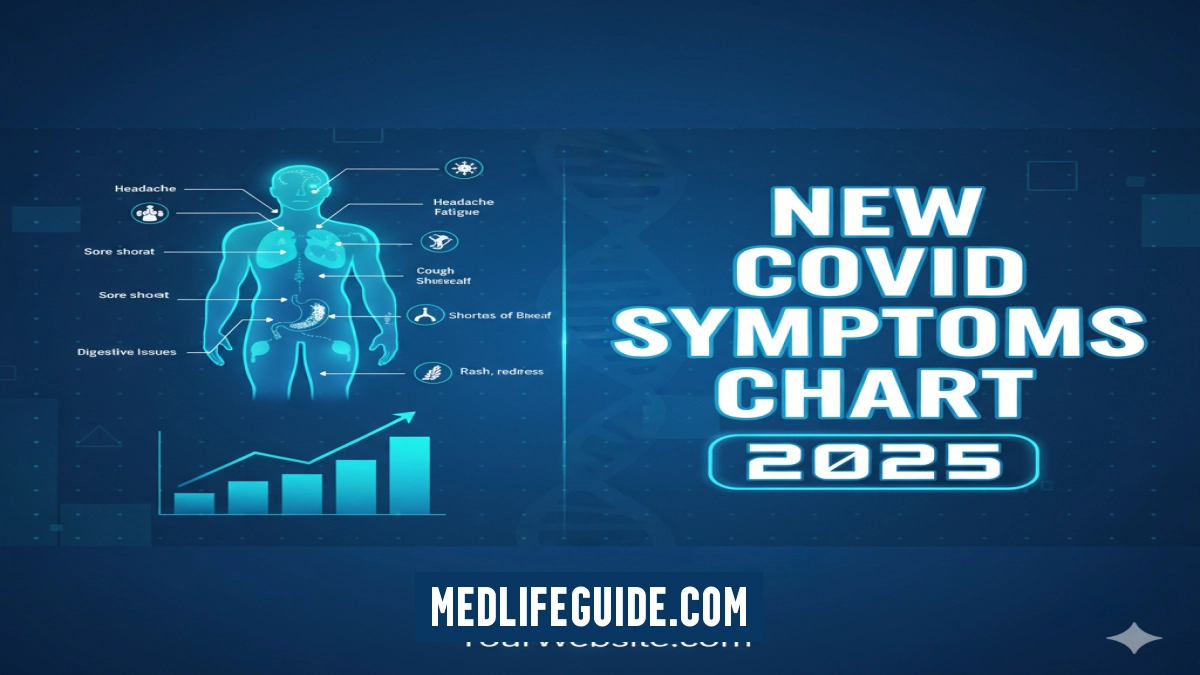
New COVID Symptoms Chart 2026 (Table)
| Symptom Category | Specific Signs/Examples | Typical Onset | Notes |
|---|---|---|---|
| Respiratory | Cough, sore throat, congestion, shortness of breath | Days 2–7 | Overlaps with seasonal respiratory viruses |
| Systemic | Fever/chills, fatigue, muscle aches, headache | Days 1–5 | Non‑specific symptoms common in many infections |
| Sensory | Loss of taste or smell | Days 2–5 | Reduced prevalence with some recent variants |
| Gastrointestinal | Nausea, vomiting, diarrhea | Variable | GI symptoms seen in a minority |
| Neurological/Other | Dizziness, rash, irritated eyes | Variable | Less common, non‑specific |
This chart derives from current global symptom lists and practitioner reports.
Factors Influencing Presentations in 2026
Several factors may influence how symptoms manifest:
- Vaccination status: Immune memory may reduce severity and symptom duration.
- Previous infection history: Prior SARS‑CoV‑2 exposures shape symptom patterns.
- Variant characteristics: Certain viral lineages alter relative symptom prevalence.
- Host age and comorbidities: Older age and chronic diseases correlate with more severe courses.
These factors do not change the presence of symptoms but may alter relative frequency and intensity.
Unique Clinical Takeaways
1. Differential Diagnosis Between COVID‑19 and Other Respiratory Illnesses
COVID‑19 symptomatology overlaps extensively with influenza and other respiratory pathogens:
- Fever, fatigue, cough, and sore throat occur in influenza, RSV, and common cold viruses.
- Gastrointestinal symptoms (nausea, diarrhea) may be more suggestive of influenza or norovirus in some settings.
- Isolated loss of taste or smell is more characteristic of SARS‑CoV‑2 infection but is less common with certain variants.
A clinical differential diagnosis should integrate local epidemiologic data, vaccination history, testing results (PCR or antigen), and symptom pattern evolution rather than reliance on any single symptom. Formal multiplex respiratory panels can distinguish COVID‑19 from influenza and RSV when diagnostic clarity is required.
2. Impact of Immune Landscape on Symptom Expression
Widespread immunity, both from vaccination and previous infection, has altered typical symptom profiles:
- Fever may be less frequent among vaccinated adults than in earlier pandemic phases.
- Upper respiratory symptoms (e.g., sore throat, congestion) may predominate over lower respiratory signs in mild cases in 2026.
These patterns are increasingly observed in clinical practice and are consistent with evolving clinician reports and surveillance data.
3. Risk Stratification Based on Host Factors
Host characteristics modify not just severity risk but symptom patterns:
- Older adults and immunocompromised individuals may present with atypical features such as altered mental status without pronounced fever.
- Children often have nasal symptoms and fever but less frequent severe respiratory distress.
- Individuals with chronic lung disease may experience disproportionate shortness of breath relative to other symptoms.
Recognizing these host‑specific trends helps clinicians prioritize testing and early intervention.
Recognizing Long COVID Symptoms
Beyond the acute phase, a subset of individuals experience post‑COVID‑19 condition (long COVID), with symptoms persisting beyond 4–12 weeks after infection:
- Persistent fatigue
- Cognitive issues (“brain fog”)
- Autonomic symptoms such as light‑headedness or rapid heartbeat
- Gastrointestinal discomfort
- Ongoing loss of taste or smell
More than 200 potential long COVID manifestations have been identified and documented, with variability between patients. Management focuses on symptom‑specific care and interdisciplinary approaches.
Clinical Evaluation and Testing
- Testing for SARS‑CoV‑2 remains central when symptoms are consistent with COVID‑19, especially during community transmission.
- Rapid antigen tests and PCR remain effective in detecting active infection.
- Multiplex panels can be used when co‑infection with other pathogens (e.g., influenza) is suspected.
Decisions about when to test should consider symptom onset timing, exposure history, and availability of treatments for high‑risk patients.
Limitations in Symptom Surveillance
Public health symptom lists do not capture every possible manifestation. Asymptomatic infections occur, and symptom prevalence can shift with changing viral lineages and population immunity. Symptom lists are updated periodically as evidence accumulates.
References and Citations
- CDC – Symptoms of COVID‑19: Lists acute symptoms including fever, cough, fatigue, and GI features as part of ongoing surveillance.
- WHO – COVID‑19 Fact Sheet (Nov 2025): Provides global symptom categories and risk framework.
- WHO – General Coronavirus Symptoms: Additional symptom manifestations and guidance on serious symptoms.
- CDC – Long COVID Clinical Symptoms: Describes persistent post‑acute symptoms and common long‑term effects.
- MedlinePlus – COVID‑19 symptoms: Supplementary symptom list including gastrointestinal features.
Medical Disclaimer: This article synthesizes publicly available symptom data from authoritative sources and is for informational purposes only. It is not a substitute for professional medical advice, diagnosis, or treatment. Always consult a qualified healthcare provider for personal guidance.
You have not enough Humanizer words left. Upgrade your Surfer plan.