
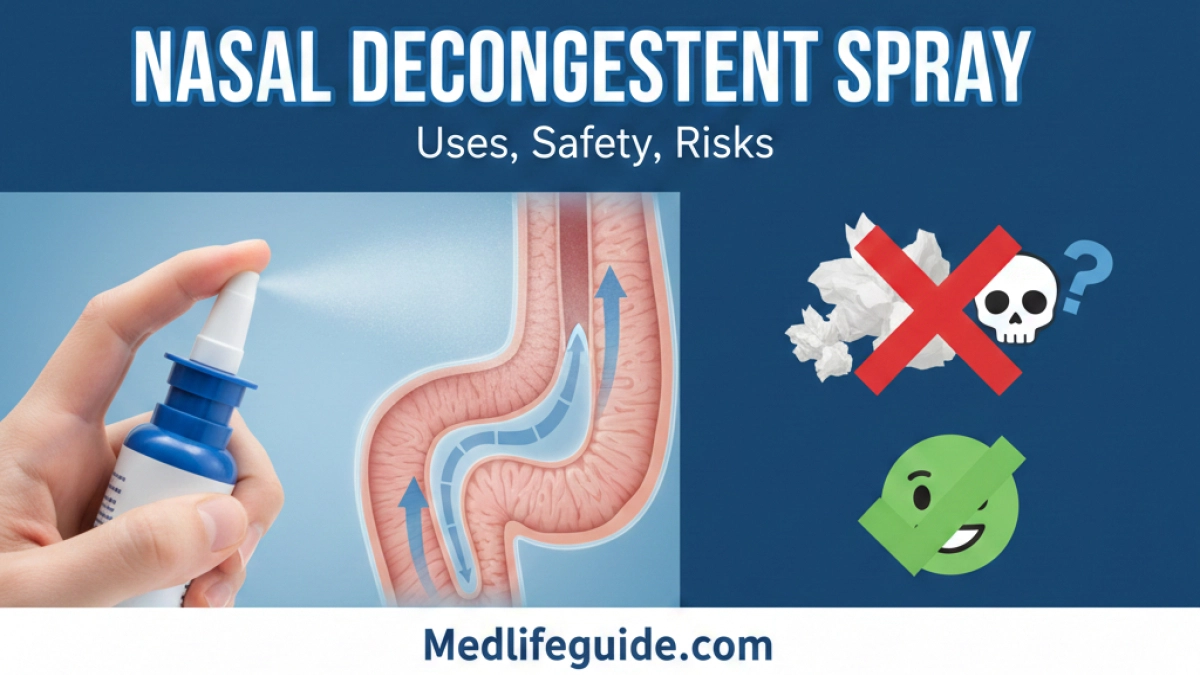
A nasal decongestant spray is a common over-the-counter medication used to relieve a blocked or stuffy nose. Nasal congestion occurs when blood vessels inside the nose swell due to inflammation, infection, allergies, or environmental triggers. These sprays act locally in the nasal passages and can provide rapid symptom relief compared to ora
A nasal decongestant spray is a common over-the-counter medication used to relieve a blocked or stuffy nose. Nasal congestion occurs when blood vessels inside the nose swell due to inflammation, infection, allergies, or environmental triggers. These sprays act locally in the nasal passages and can provide rapid symptom relief compared to oral medications.
Despite widespread use, nasal decongestant sprays are often misunderstood. Incorrect use can lead to complications such as rebound congestion, dependency, or delayed diagnosis of underlying conditions. This article explains how nasal decongestant sprays work, when they are appropriate, how to use them safely, and what risks patients should understand.
What Is a Nasal Decongestant Spray?
A nasal decongestant spray is a topical medication delivered directly into the nostrils. Its primary purpose is to shrink swollen nasal blood vessels, opening the nasal airway and improving airflow.
These sprays are commonly used for:
- Common cold
- Acute viral sinusitis
- Allergic rhinitis
- Temporary nasal blockage from irritants or dry air
They are not designed for long-term daily use unless specifically prescribed.
How Nasal Decongestant Sprays Work
Mechanism of Action
Most nasal decongestant sprays contain sympathomimetic agents. These drugs stimulate alpha-adrenergic receptors in nasal blood vessels, causing vasoconstriction. Reduced blood flow leads to decreased swelling of the nasal lining.
Onset and Duration
- Onset: 5 to 10 minutes
- Duration: 6 to 12 hours depending on the product
This fast action explains why patients often prefer sprays over oral decongestants.
Common Types of Nasal Decongestant Sprays
Oxymetazoline
- Long-acting (up to 12 hours)
- Commonly used twice daily
- Higher risk of rebound congestion if overused
Xylometazoline
- Similar duration to oxymetazoline
- Widely used in many countries
- Same overuse risks apply
Phenylephrine
- Shorter duration
- Less potent vasoconstriction
- Still associated with rebound congestion
Saline Nasal Sprays (Non-Decongestant)
- Contain saltwater only
- Do not cause vasoconstriction
- Safe for daily and long-term use
- Often confused with medicated sprays
Approved Medical Uses
Nasal decongestant sprays are indicated for short-term relief of nasal congestion caused by:
- Upper respiratory tract infections
- Acute allergic reactions
- Temporary sinus blockage
They do not treat the underlying cause, such as viral infection or allergy inflammation.
Correct Usage Guidelines
Standard Dosing
- Adults: 1 to 2 sprays per nostril
- Frequency: Every 10 to 12 hours
- Maximum duration: 3 consecutive days
Proper Technique
- Gently blow the nose before use
- Keep the bottle upright
- Aim slightly outward, not toward the nasal septum
- Avoid sniffing hard after spraying
Incorrect technique increases side effects and reduces effectiveness.
Risks and Side Effects
Rebound Congestion (Rhinitis Medicamentosa)
Rebound congestion occurs when nasal blood vessels become dependent on the spray. Stopping the spray leads to severe congestion that is worse than the original condition.
This condition can develop after:
- Use longer than 3 to 5 days
- Higher-than-recommended doses
- Chronic intermittent use
Local Side Effects
- Nasal dryness
- Burning sensation
- Sneezing
- Nosebleeds
Systemic Effects (Rare)
- Increased blood pressure
- Palpitations
- Headache
- Anxiety
Systemic effects are more likely in children or when excessive doses are used.
Who Should Avoid Nasal Decongestant Sprays
Nasal decongestant sprays should be avoided or used only under medical advice in:
- Uncontrolled hypertension
- Heart disease
- Hyperthyroidism
- Narrow-angle glaucoma
- Children under 6 years (depending on formulation)
Nasal Decongestant Spray vs Other Treatments
Versus Oral Decongestants
- Faster relief
- Fewer systemic effects
- Higher risk of rebound congestion
Versus Intranasal Steroids
- Decongestants act immediately
- Steroids reduce inflammation over days
- Steroids are safer for long-term use
Versus Antihistamine Sprays
- Antihistamines target allergy pathways
- Decongestants target blood vessel swelling
- Often used together in allergic rhinitis
Unique Clinical Takeaways
1. Rebound Congestion Often Mimics Chronic Sinus Disease
Patients with rhinitis medicamentosa frequently present with symptoms resembling chronic sinusitis. Imaging studies may be normal. A detailed medication history is critical before labeling symptoms as structural or infectious disease. Gradual withdrawal combined with saline and intranasal steroids is often more effective than abrupt cessation.
2. Nighttime Overuse Is a Common Hidden Pattern
Many patients restrict spray use during the day but rely on nighttime dosing for sleep. This pattern still leads to dependency. Clinicians should ask specifically about nighttime-only use when evaluating persistent nasal congestion.
3. Structural Nasal Conditions Increase Dependency Risk
Patients with deviated septum, turbinate hypertrophy, or nasal valve collapse are more likely to overuse sprays because relief is incomplete. In these cases, addressing anatomy rather than escalating medication use reduces long-term harm.
4. Pediatric Risk Is Often Underestimated
Children are more susceptible to systemic absorption due to smaller body mass. Even standard doses can cause irritability, elevated heart rate, or sleep disturbance. Saline sprays are preferred first-line therapy in pediatric congestion.
Safe Alternatives for Long-Term Management
- Saline nasal sprays or rinses
- Intranasal corticosteroids
- Allergen avoidance strategies
- Humidification
- Medical evaluation for structural causes
These options address underlying inflammation rather than providing temporary vessel constriction.
When to See a Doctor
Medical evaluation is recommended if:
- Congestion lasts longer than 10 days
- Symptoms worsen after initial improvement
- There is facial pain, fever, or thick nasal discharge
- Dependence on nasal spray has developed
Frequently Asked Questions
Can nasal decongestant spray be used daily?
No. Daily use beyond 3 to 5 days increases the risk of rebound congestion.
Is saline spray the same as a decongestant?
No. Saline sprays do not constrict blood vessels and do not cause rebound congestion.
Can nasal sprays raise blood pressure?
Systemic absorption is low, but blood pressure elevation can occur, especially with overuse.
Medical Disclaimer
This article is for informational purposes only and does not substitute professional medical advice, diagnosis, or treatment. Always consult a qualified healthcare provider regarding medical conditions or medication use.