
Introduction
Measles, once declared eliminated in the U.S. in 2000, is making a dangerous comeback. As of mid-January 2026, the CDC has confirmed hundreds of cases across multiple states, with massive outbreaks (e.g., over 700 in South Carolina alone) driving national totals far higher than recent years. Experts warn the country could lose its eliminatio
Introduction
Measles, once declared eliminated in the U.S. in 2000, is making a dangerous comeback. As of mid-January 2026, the CDC has confirmed hundreds of cases across multiple states, with massive outbreaks (e.g., over 700 in South Carolina alone) driving national totals far higher than recent years. Experts warn the country could lose its elimination status within weeks if transmission continues unchecked.
The Current Surge
- Over 400 confirmed cases in at least 14 states early in 2026, building on 2025’s record highs (thousands of cases).
- Outbreaks linked to declining vaccination rates post-pandemic, travel importation, and community spread in under-vaccinated groups.
- PAHO and CDC monitoring show the U.S. and neighboring regions at risk of re-verification challenges.
Why Measles Is So Concerning
Measles is extremely contagious — one infected person can spread it to up to 18 others in a susceptible crowd. The virus lingers in air for up to 2 hours. Complications include pneumonia, encephalitis, and death (especially in young children).
Symptoms to Watch For
- High fever, cough, runny nose, red/watery eyes.
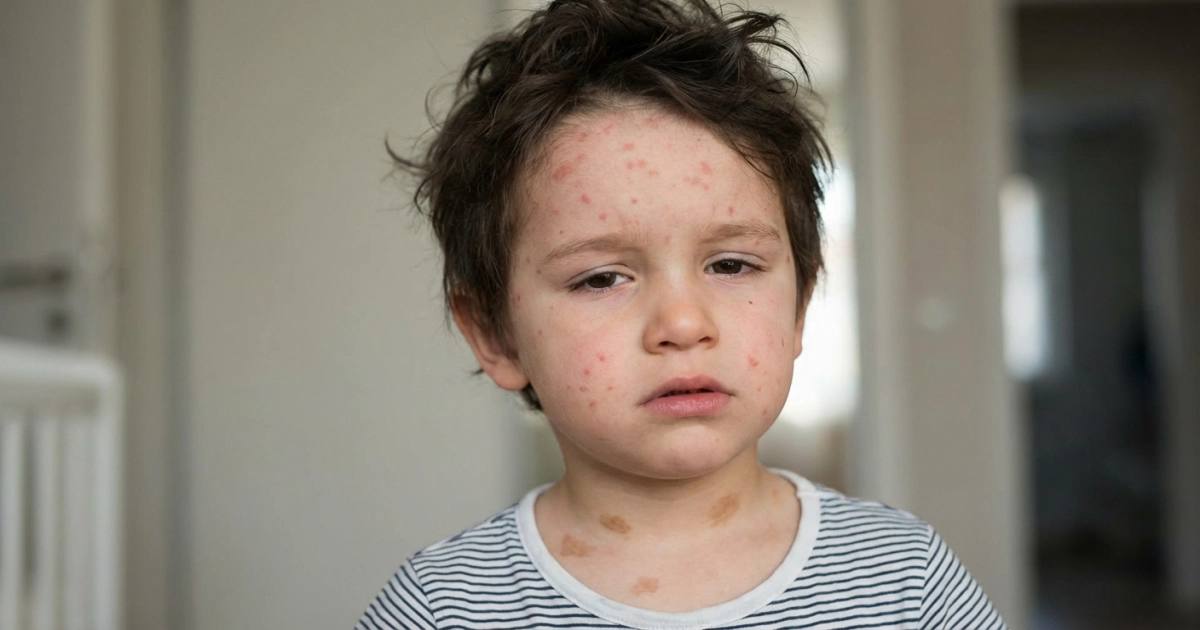
- Classic red rash starting on the face and spreading.
- Koplik spots (white spots inside mouth) may appear early.
Prevention: The Power of MMR Vaccine
Two doses of MMR provide lifelong protection (97% effective). CDC recommends:
- Children: Dose 1 at 12–15 months, Dose 2 at 4–6 years.
- Adults: Catch-up if unsure of immunity, especially before travel.
- Pregnant people and immunocompromised: Avoid exposure; consult provider.
What You Can Do
- Check vaccination records via your doctor or state registry.
- If exposed: Quarantine and seek prompt evaluation.
- Support community efforts: Schools and workplaces should promote vaccination.
Conclusion
Measles elimination isn’t guaranteed — it requires high vaccination coverage (95%+). Get vaccinated, stay informed, and protect vulnerable loved ones. Consult your healthcare provider for personalized advice.