
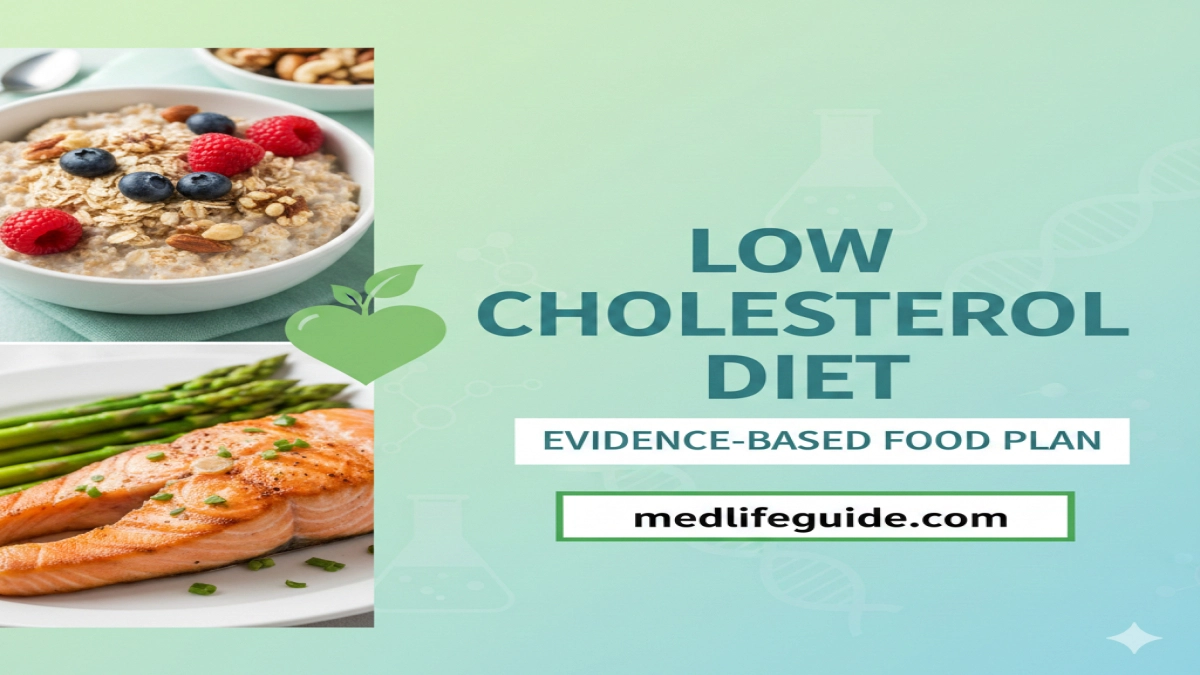
Medically Reviewed and Compiled by Dr. [Adam N. Khan], MD.
A low cholesterol diet is a structured nutritional approach designed to reduce levels of low-density lipoprotein (LDL) cholesterol and total cholesterol in the blood. Elevated cholesterol is a well-established risk factor for atherosclerotic cardiovascular disease, including coronary arter
Medically Reviewed and Compiled by Dr. [Adam N. Khan], MD.
A low cholesterol diet is a structured nutritional approach designed to reduce levels of low-density lipoprotein (LDL) cholesterol and total cholesterol in the blood. Elevated cholesterol is a well-established risk factor for atherosclerotic cardiovascular disease, including coronary artery disease, stroke, and peripheral vascular disease. Dietary modification remains a first-line, non-pharmacological intervention recommended by major medical organizations before or alongside lipid-lowering medications.
Understanding Cholesterol and Its Clinical Relevance
Types of Cholesterol
Cholesterol is transported in the bloodstream via lipoproteins:
- Low-Density Lipoprotein (LDL): Commonly referred to as “bad cholesterol.” High LDL levels are associated with plaque formation in arteries.
- High-Density Lipoprotein (HDL): Known as “good cholesterol.” HDL assists in reverse cholesterol transport to the liver.
- Very Low-Density Lipoprotein (VLDL): Primarily carries triglycerides and contributes indirectly to LDL formation.
Clinical guidelines primarily target LDL reduction due to its direct role in atherosclerosis.
How Diet Influences Cholesterol Levels
Diet affects cholesterol through multiple mechanisms:
- Saturated and trans fats increase hepatic LDL production.
- Soluble fiber binds bile acids in the intestine, increasing cholesterol excretion.
- Plant sterols compete with cholesterol absorption in the gut.
- Weight reduction improves lipid metabolism and insulin sensitivity.
Core Principles of a Low Cholesterol Diet
Reduce Saturated and Trans Fats
Saturated fats are found mainly in animal products and certain tropical oils. Trans fats are industrially produced and have a strong association with increased cardiovascular risk.
Foods to limit or avoid:
- Fatty cuts of red meat
- Processed meats
- Butter, ghee, and full-fat dairy
- Fried foods and commercial baked goods
Increase Soluble Fiber Intake
Soluble fiber reduces LDL cholesterol by decreasing intestinal absorption.
Key sources:
- Oats and oat bran
- Barley
- Legumes
- Apples, citrus fruits, and pears
- Psyllium husk
Clinical studies consistently show LDL reductions of 5–10% with adequate soluble fiber intake.
Emphasize Unsaturated Fats
Replacing saturated fats with unsaturated fats improves lipid profiles.
Preferred sources:
- Olive oil
- Canola oil
- Nuts and seeds
- Avocados
- Fatty fish rich in omega-3 fatty acids
Prioritize Whole, Plant-Based Foods
Dietary patterns rich in vegetables, fruits, whole grains, and legumes are associated with lower cardiovascular risk independent of cholesterol levels.
Foods Recommended in a Low Cholesterol Diet
Vegetables and Fruits
Vegetables and fruits provide fiber, antioxidants, and phytochemicals without cholesterol.
Examples:
- Leafy greens
- Cruciferous vegetables
- Berries
- Citrus fruits
Whole Grains
Whole grains retain bran and germ components that improve lipid metabolism.
Recommended options:
- Oats
- Brown rice
- Whole wheat
- Quinoa
Lean Protein Sources
Protein choices significantly affect cholesterol intake.
Preferred proteins:
- Skinless poultry
- Fish
- Legumes
- Tofu and tempeh
- Egg whites (limited yolk intake depending on individual risk)
Dairy Alternatives and Low-Fat Dairy
Low-fat or non-fat dairy products reduce saturated fat intake while maintaining calcium and protein levels.
Foods to Limit or Avoid
- Organ meats
- High-fat cheese
- Cream-based sauces
- Fast foods
- Sugary beverages (indirectly worsen lipid profiles via insulin resistance)
Dietary Patterns Proven to Lower Cholesterol
Mediterranean Diet
The Mediterranean diet emphasizes fruits, vegetables, whole grains, olive oil, fish, and moderate dairy intake. Large cohort studies show reduced cardiovascular mortality and improved lipid profiles.
DASH Diet
Originally designed to lower blood pressure, the DASH diet also lowers LDL cholesterol through reduced saturated fat and increased fiber.
Portfolio Diet
The Portfolio Diet combines plant sterols, viscous fiber, soy protein, and nuts. Controlled trials demonstrate LDL reductions comparable to low-dose statins in some patients.
Low Cholesterol Diet and Special Populations
Patients With Diabetes
In individuals with diabetes, lipid abnormalities often coexist with insulin resistance. Emphasis on low glycemic index foods and fiber is critical.
Older Adults
Older adults may require higher protein intake while still limiting saturated fat. Nutrient density becomes a priority.
Patients With Chronic Lung Disease
In chronic obstructive pulmonary disease, excessive weight loss and malnutrition worsen outcomes. Cholesterol reduction must not compromise caloric adequacy or muscle mass.
Unique Clinical Takeaways
Individual Cholesterol Responsiveness Varies
Not all patients respond equally to dietary cholesterol restriction. Genetic factors such as familial hypercholesterolemia significantly limit diet-only interventions. In these patients, dietary modification remains essential but insufficient without pharmacologic therapy.
Symptom Perception and Dietary Adherence
Patients often discontinue low cholesterol diets due to perceived lack of immediate benefit. Unlike glucose control, lipid improvements are asymptomatic. Clinician counseling should emphasize long-term risk reduction rather than short-term symptom relief.
Interaction With Lipid-Lowering Medications
Dietary changes can potentiate the effects of statins and other lipid-lowering agents. However, excessive grapefruit intake can interfere with statin metabolism, increasing adverse effect risk. Dietary counseling must account for medication interactions.
Risk of Nutrient Deficiency With Over-Restriction
Overly restrictive low-fat diets may lead to deficiencies in fat-soluble vitamins (A, D, E, K). Balanced fat intake from unsaturated sources is clinically necessary, particularly in patients with chronic disease.
Practical Meal Planning Strategies
- Use cooking methods such as baking, steaming, and grilling.
- Replace red meat with legumes or fish several times per week.
- Read nutrition labels for saturated fat and trans fat content.
- Incorporate nuts in controlled portions.
- Use herbs and spices instead of butter or cream sauces.
Monitoring and Expected Outcomes
Clinically meaningful LDL reductions typically occur within 6–12 weeks of consistent dietary adherence. Lipid panels should be monitored periodically to assess response and guide further intervention.