
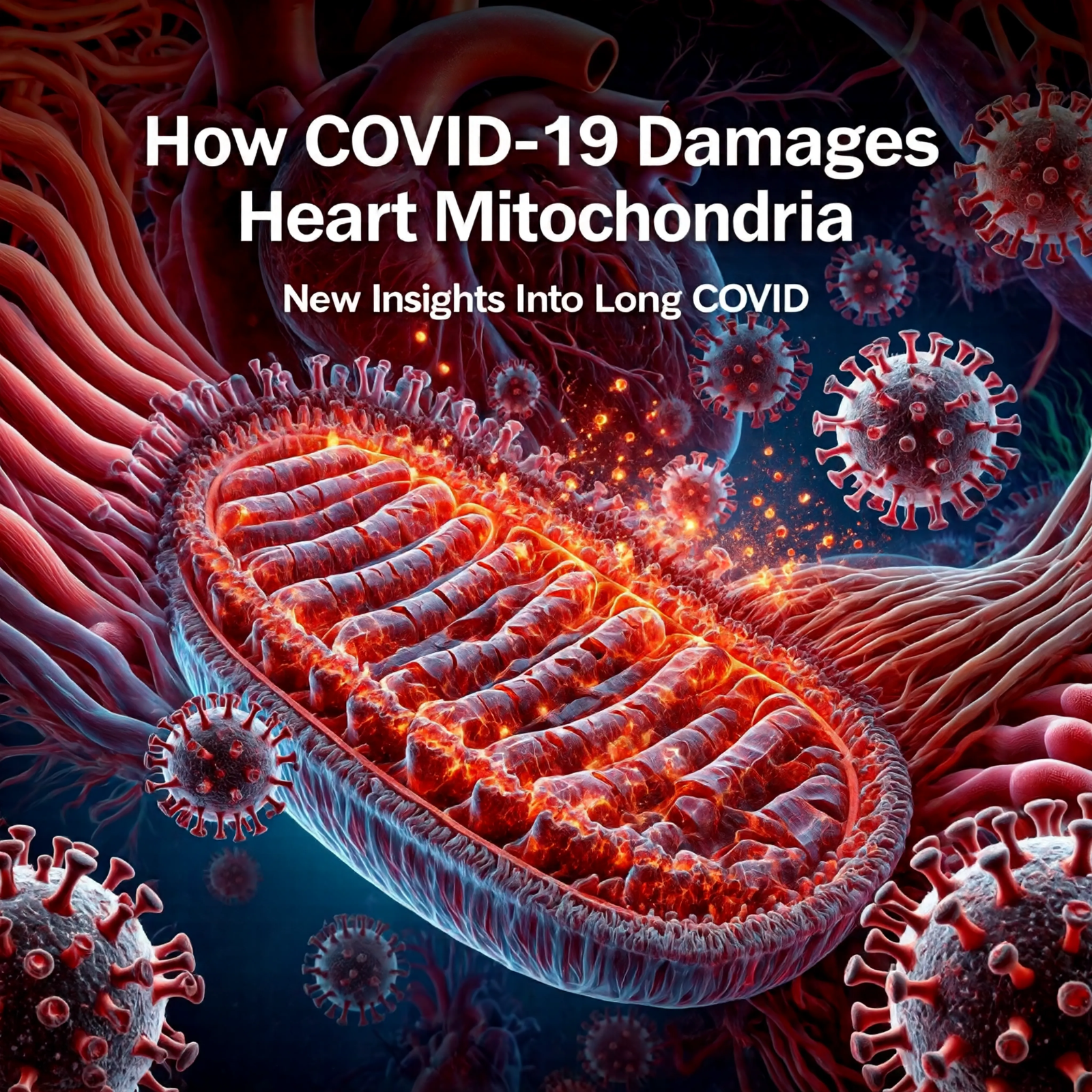
Emerging research from the Shanghai Tenth People’s Hospital has uncovered a startling link between the SARS-CoV-2 virus and persistent cardiac issues. For millions suffering from “Long COVID,” the mystery of why heart scans appear “normal” despite debilitating symptoms may finally have an answer: Cellular energy failure.
The Study: Peering Into the Heart’s Powerhouse
Researchers conducted a rare and detaile
Emerging research from the Shanghai Tenth People’s Hospital has uncovered a startling link between the SARS-CoV-2 virus and persistent cardiac issues. For millions suffering from “Long COVID,” the mystery of why heart scans appear “normal” despite debilitating symptoms may finally have an answer: Cellular energy failure.
The Study: Peering Into the Heart’s Powerhouse
Researchers conducted a rare and detailed analysis of heart biopsies from five male patients who developed severe cardiac complications between 31 and 85 days post-infection.
The findings, corroborated by mouse models using Omicron subvariants, revealed that the damage isn’t caused by the virus attacking heart cells directly. Instead, the virus triggers a systemic inflammatory response that disrupts the mitochondria—the “powerhouses” of the cell.
Key Findings from the Biopsies:
- Mitochondrial Swelling: The structures responsible for energy production were physically distorted and swollen.
- Disrupted Energy Production: Impaired mitochondria cannot produce enough ATP (the body’s energy currency), leading to muscle fatigue at a cellular level.
- Indirect Damage: Remarkably, no viral proteins were found in the heart tissue itself, suggesting the damage is a “hand-me-down” effect of the body’s immune overreaction.
Why “Normal” Tests Are Often Misleading
A common frustration for Long COVID patients is the “clear” echocardiogram or MRI. This study explains why: the damage is molecular, not structural. While the heart’s overall shape and valves might look healthy on a standard scan, the individual cells are gasping for energy. This explains the prevalence of:
- Arrhythmias (Irregular heartbeats)
- Severe Exercise Intolerance
- Chronic Fatigue Syndrome (ME/CFS) symptoms
Moving Toward Specialized Cardiac Care
The researchers and patient advocates are now calling for a shift in how Long COVID is diagnosed. Routine imaging may no longer be the gold standard. Instead, specialized metabolic testing and a closer look at mitochondrial function may be necessary to validate patient experiences and develop targeted treatments.
FAQ
Yes. Recent studies show the virus can trigger inflammatory responses that damage heart mitochondria indirectly, even if the virus is not present in heart tissue.
Standard imaging like EKGs and MRIs look for structural damage. They often cannot detect mitochondrial dysfunction or cellular energy depletion.
Common signs include persistent fatigue, heart palpitations (arrhythmias), and shortness of breath during mild exertion.
Thank You For Visiting Our Website https://medlifeguide.com/. We Value Your Feedback