
Medically Reviewed and Compiled by Dr. Adam N. Khan, MD.
Quick Answer: What are the main symptoms of liver inflammation?
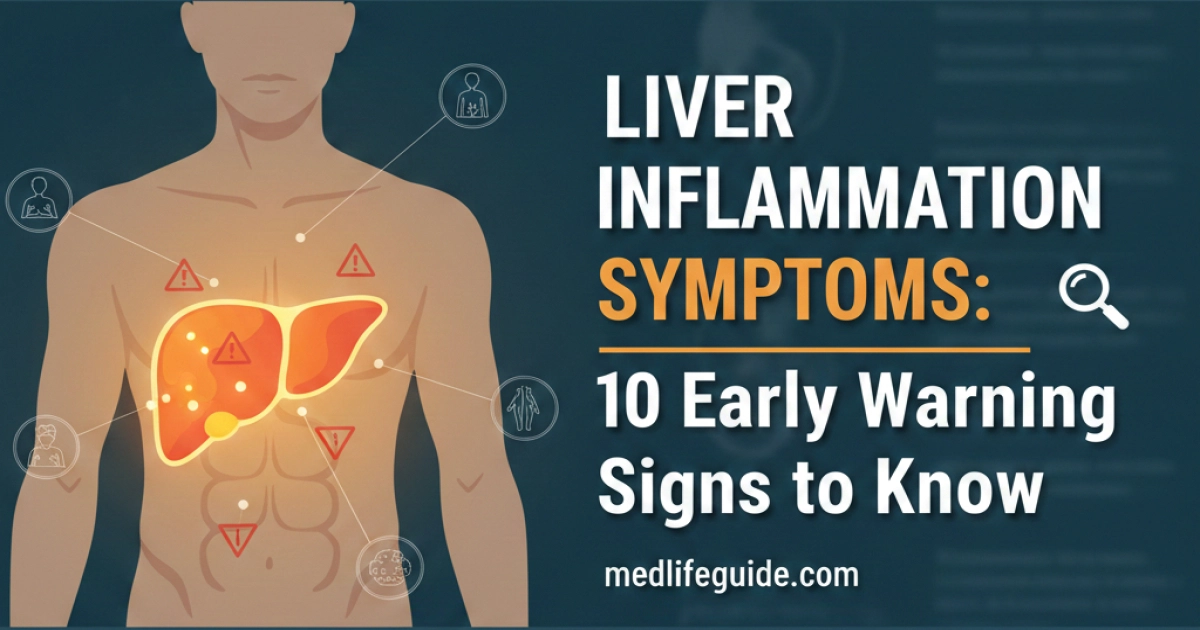
Liver inflammation, often called hepatitis, usually shows up as extreme tiredness (fatigue), yellowing of the skin or eyes (jaundice), and pain in the upper right side of your belly. Other common signs include dark-colored urine
Medically Reviewed and Compiled by Dr. Adam N. Khan, MD.
Quick Answer: What are the main symptoms of liver inflammation?
Liver inflammation, often called hepatitis, usually shows up as extreme tiredness (fatigue), yellowing of the skin or eyes (jaundice), and pain in the upper right side of your belly. Other common signs include dark-colored urine, pale stools, and feeling full very quickly after eating. Because the liver does not have many pain-sensing nerves, these symptoms can be quiet at first, making it easy to miss the early warning signs.
Understanding Liver Inflammation
Your liver is a powerhouse. It works 24/7 to clean your blood, digest your food, and store energy. When your liver is under attack—whether from a virus, too much fat, or alcohol—it becomes swollen. This swelling is called inflammation.
Think of inflammation like a “red alert” for your body. It is your immune system trying to fix an injury. However, if the “alert” stays on for too long, it starts to damage the healthy parts of your liver. In 2026, medical experts focus heavily on catching this “red alert” stage before it turns into permanent scarring, known as cirrhosis.
10 Common Symptoms of Liver Inflammation
Many people with liver inflammation have no symptoms at all. When they do appear, they often feel like a mild flu. Here are the most common signs to watch for:
1. Extreme Tiredness (Fatigue)
This isn’t just being sleepy after a long day. It is a deep, heavy exhaustion that doesn’t go away with rest. It is the most common symptom of a struggling liver.
2. Jaundice (Yellow Skin and Eyes)
When the liver is inflamed, it can’t process a yellow substance called bilirubin. This buildup makes the whites of your eyes and your skin look yellow.
3. Pain in the Upper Right Belly
You might feel a dull ache or a “full” sensation just below your ribs on the right side. This happens because the liver is physically expanding and pushing against the sac that surrounds it.
4. Dark Urine and Pale Stools
If your urine looks like the color of cola or tea, it’s a sign that your liver is leaking bilirubin into your kidneys. At the same time, your poop might look clay-colored or very pale because the liver isn’t sending enough bile to the digestive tract.
5. Itchy Skin
Inflammation can cause bile salts to build up under your skin. This leads to an intense itch that often gets worse at night and doesn’t usually come with a visible rash.
6. Nausea and Loss of Appetite
You might feel sick to your stomach or suddenly find that foods you used to love no longer taste good. Many people also feel full after eating just a few bites.
7. Easy Bruising or Bleeding
The liver makes the proteins that help your blood clot. An inflamed liver might stop making enough of these, leading to mystery bruises or nosebleeds that won’t stop.
8. Swelling in the Legs and Ankles
Known as edema, this happens when pressure builds up in the liver’s veins, forcing fluid to leak into the lower parts of your body.
9. Mental Confusion
In more advanced stages, toxins that the liver usually cleans out can reach the brain. This can make you feel “foggy,” forgetful, or unusually sleepy during the day.
10. “Spider” Veins
You might notice small, red, spider-like blood vessels on your chest or back. These appear because of hormonal changes triggered by liver stress.
Why Does the Liver Get Inflamed?
In 2026, we categorize the causes of liver inflammation into three main buckets:
| Cause Type | Common Examples |
| Infections | Hepatitis A, B, and C viruses. |
| Lifestyle | Heavy alcohol use or a diet very high in processed sugars (Fatty Liver Disease). |
| Autoimmune | When your own immune system accidentally attacks your liver cells. |
The most common cause today is Metabolic Dysfunction-Associated Steatotic Liver Disease (MASLD). This is a fancy name for fat buildup in the liver. It is often linked to being overweight, having high blood sugar, or high cholesterol.
How Doctors Check Your Liver
If you have these symptoms, a doctor will usually start with a few simple steps:
- Blood Tests: These check for “liver enzymes.” If these numbers are high, it means liver cells are being damaged and leaking into your blood.
- Imaging: An ultrasound or a CT scan lets the doctor see if your liver is enlarged or has changed shape.
- FibroScan: This is a newer, painless test that uses sound waves to check how “stiff” your liver is. A stiff liver usually means there is inflammation or scarring.
The Good News: The Liver Can Heal
The liver is the only organ in your body that can actually grow back! If you catch inflammation early, you can often reverse the damage.
Key steps to help your liver heal:
- Eat “Real” Food: Focus on vegetables, fiber, and lean proteins. Cut back on “added sugars” found in sodas and snacks.
- Watch the Alcohol: Giving your liver a break from alcohol is the fastest way to reduce swelling.
- Be Careful with Meds: Some over-the-counter pain relievers, like acetaminophen, can hurt the liver if you take too much.
- Stay Active: Even a 20-minute daily walk helps your body process the fat that might be clogging your liver.
Takeaway Points
- Liver inflammation is the first step toward more serious diseases, but it is often reversible.
- Fatigue and jaundice are the two biggest red flags.
- If you have a persistent ache in your upper right belly, see a doctor.
- Most liver problems in 2026 are caused by lifestyle factors that you can change starting today.
Medical Disclaimer: This article is for informational purposes only and does not constitute medical advice. Always seek the advice of your physician or other qualified health provider with any questions you may have regarding a medical condition. Never disregard professional medical advice or delay in seeking it because of something you have read here.