
When managing kidney disease, proper nutrition is essential to slow disease progression and maintain overall health. Kidney patients often face challenges in choosing the right diet and nutritional supplements to support their needs. One product that frequently comes up is Glucerna, a meal replacement drink designed to support people with diabetes and those seeking to manage blood sugar levels.
But the question remains: Is Glucerna good for kidney patients? This article explores the nutritional benefits of Glucerna, its impact on kidney health, and considerations for individuals with kidney disease.
What is Glucerna?
Glucerna is a specialized nutritional drink developed by Abbott, designed primarily for people with diabetes or those at risk for diabetes. The formula is crafted to provide a balanced mix of proteins, healthy fats, fiber, and essential vitamins and minerals, while also helping manage blood sugar levels.
It contains a unique blend of carbohydrates called slow-release carbohydrates, designed to help prevent rapid spikes in blood sugar after consumption. This makes it a popular choice for people with diabetes who need to manage their glucose levels effectively.
Nutritional Profile of Glucerna
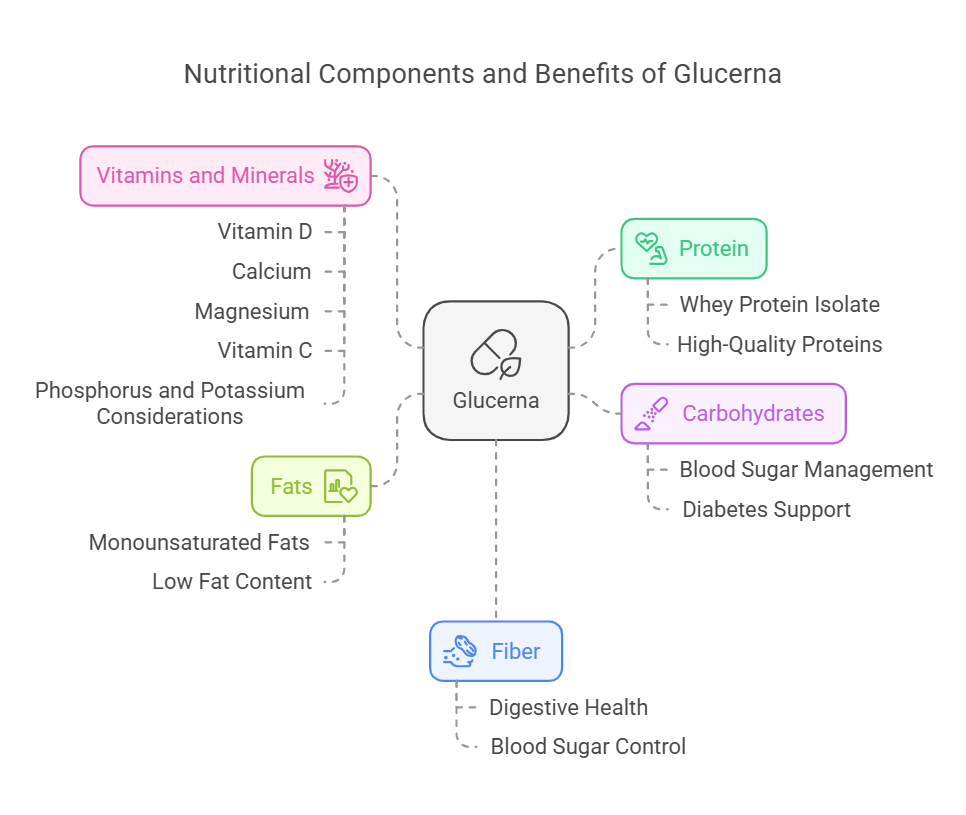
The nutritional makeup of Glucerna is designed to be well-rounded for those looking for a balanced supplement. Here’s an overview of its key ingredients and nutrients:
- Protein: Glucerna is a good source of protein, which is vital for tissue repair and muscle maintenance. It uses a blend of high-quality proteins such as whey protein isolate, which is easily digestible.
- Carbohydrates: The drink contains slow-release carbohydrates that help prevent sharp blood sugar spikes. This is beneficial for people with diabetes, but it also matters for kidney patients who need to manage their blood sugar levels to avoid complications.
- Fats: The fat content is relatively low, focusing on healthy fats such as monounsaturated fats, which are heart-healthy and beneficial for kidney function.
- Fiber: Each serving provides fiber, which aids in digestion and helps maintain stable blood sugar levels.
- Vitamins and Minerals: Glucerna contains essential vitamins and minerals, such as vitamin D, calcium, magnesium, and vitamin C, which support immune function and overall health. However, kidney patients should be mindful of certain minerals like phosphorus and potassium.
Is Glucerna Safe for Kidney Patients?
For kidney patients, managing nutrient intake is critical, especially when it comes to potassium, phosphorus, and sodium, all of which are vital for kidney function but can be problematic if consumed in excess. So, how does Glucerna stack up in this area?
1. Protein Content and Kidney Disease
People with kidney disease must be cautious about protein intake, as excessive protein can put additional strain on the kidneys. Glucerna provides a moderate amount of protein, making it a reasonable option for kidney patients if consumed in moderation. However, it’s important to tailor protein intake to your specific stage of kidney disease, so consulting a healthcare professional is always recommended.
2. Potassium and Phosphorus Levels
While Glucerna is not high in potassium or phosphorus, kidney patients need to monitor their intake of these minerals closely. Depending on the stage of kidney disease, it may be necessary to limit foods and drinks that contain even moderate amounts of potassium and phosphorus. Always check the label and consult your healthcare provider before incorporating Glucerna into your routine if you’re managing kidney disease.
3. Sodium Content
Glucerna is relatively low in sodium, which is good for individuals with kidney disease, as excessive sodium can exacerbate kidney-related issues such as high blood pressure and fluid retention. This makes Glucerna a better alternative compared to other meal replacement drinks that may contain higher sodium content.
4. Blood Sugar Management
The slow-release carbohydrates in Glucerna are beneficial for individuals with diabetes or prediabetes, as they help maintain stable blood sugar levels. For kidney patients who also have diabetes (which is common), managing blood sugar is a key aspect of treatment. Glucerna’s formula supports healthy blood sugar control, potentially preventing further kidney complications related to diabetes.
Is Glucerna a Suitable Meal Replacement for Kidney Patients?
For kidney patients, Glucerna can be used as a meal supplement, but it should not be relied upon as a sole source of nutrition. It’s important to incorporate Glucerna into a balanced diet that is tailored to meet the unique nutritional needs of kidney patients. Always work with a dietitian or nephrologist to determine how much of Glucerna is appropriate for your specific health condition and kidney function.
Some key considerations include:
- Monitor your intake of other high-potassium and high-phosphorus foods if you decide to use Glucerna regularly.
- Customize your protein intake based on your kidney function and stage of kidney disease.
- Consider other alternatives like homemade smoothies or other kidney-friendly meal replacements that can be customized to your specific dietary restrictions.
Conclusion: Is Glucerna Good for Kidney Patients?
In summary, Glucerna can be beneficial for kidney patients, particularly those who need to manage their blood sugar levels and are in need of a balanced nutritional supplement. However, it’s essential for kidney patients to approach Glucerna with caution. The drink’s protein content is moderate, and it does not contain excessive amounts of phosphorus or potassium, but it is important to consult with a healthcare provider before making any significant changes to your diet.
As with all nutritional decisions for kidney disease, moderation and professional guidance are key. Glucerna may serve as a helpful addition to the diet for some kidney patients, but it should always be used in conjunction with personalized dietary recommendations.
FAQs
Q: Can Glucerna be used by people with advanced kidney disease?
Yes, Glucerna can be used by people with advanced kidney disease, but it should be monitored carefully. The protein content and levels of potassium and phosphorus should be considered, so it’s essential to consult a healthcare provider before adding it to your diet.
Q: Does Glucerna have high potassium or phosphorus levels?
Glucerna contains a moderate amount of potassium and phosphorus, so kidney patients should monitor their intake, especially in later stages of kidney disease. Always check the label for specific nutrient content and consult with your doctor.
Q: Is Glucerna safe for people with diabetes and kidney disease?
Yes, Glucerna is designed to help manage blood sugar levels, which is particularly beneficial for those with diabetes. However, kidney disease patients with diabetes should consult a healthcare professional to ensure it’s appropriate for their dietary needs.
Q: How much Glucerna can I drink if I have kidney disease?
The amount of Glucerna you can consume depends on your individual dietary needs and the stage of kidney disease. Typically, 1-2 servings per day may be suitable for some patients, but always discuss it with your healthcare provider.
Q: Can Glucerna replace meals for kidney patients?
Glucerna can be used as a meal supplement, but it should not replace whole meals unless advised by a healthcare provider. It’s important to maintain a balanced diet tailored to your specific kidney health needs.
Q: Is Glucerna suitable for people with heart disease and kidney problems?
Glucerna is generally suitable for people with heart disease and kidney issues due to its low sodium content and heart-healthy fats. However, always ensure that it aligns with your personal dietary restrictions and health conditions by consulting a healthcare provider.