
Medically Reviewed and Compiled by Dr. Adam N. Khan, MD.
Quick Overview
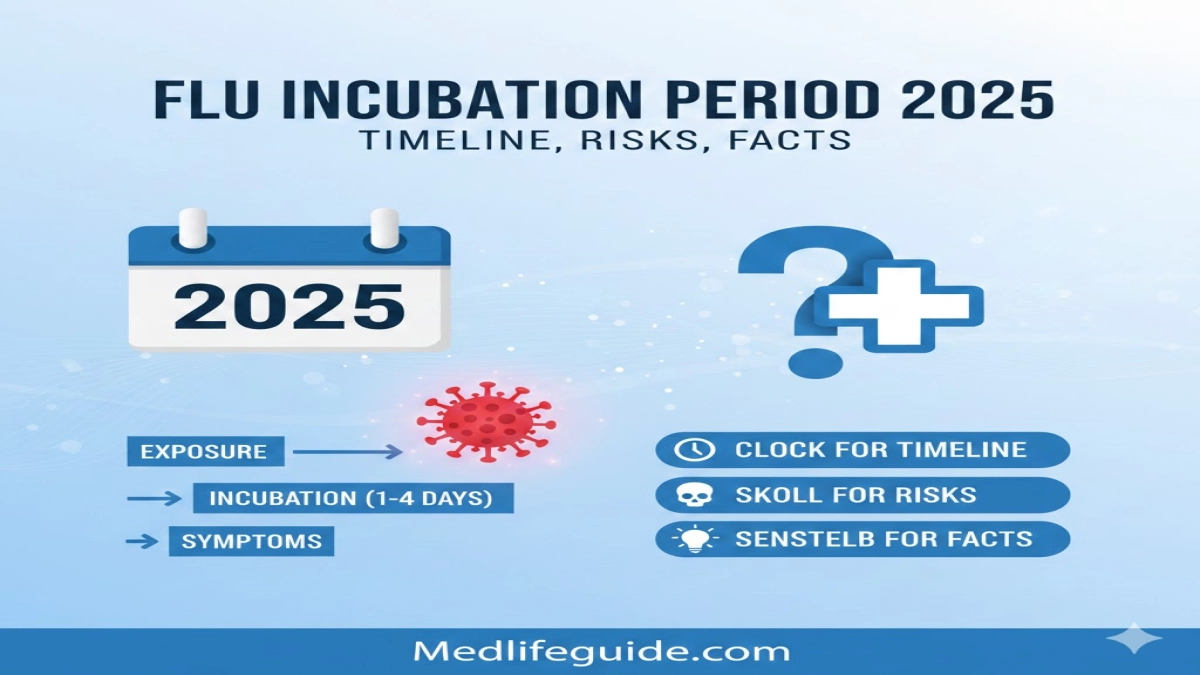
The Flu Incubation Period 2026 refers to the time between exposure to the influenza virus and the appearance of symptoms. According to the Centers for Disease Control and Prevention (CDC), the incubation period for seasonal influenza averages 2 days, with a range of 1 to 4 days
Medically Reviewed and Compiled by Dr. Adam N. Khan, MD.
Quick Overview
The Flu Incubation Period 2026 refers to the time between exposure to the influenza virus and the appearance of symptoms. According to the Centers for Disease Control and Prevention (CDC), the incubation period for seasonal influenza averages 2 days, with a range of 1 to 4 days. During this time, a person may already be contagious—even before symptoms begin.
Understanding this timeline is essential for infection control, workplace decisions, school policies, and protecting high-risk individuals.
What Is the Flu Incubation Period?
The incubation period is the silent window after viral exposure but before symptom onset.
For influenza viruses:
- Average incubation: 2 days
- Range: 1–4 days
- Contagious before symptoms: Yes, approximately 1 day prior
The World Health Organization (WHO) confirms that influenza viruses replicate quickly in the respiratory tract, explaining the short incubation window compared to many other viral infections.
In practical terms, if exposure occurs on Monday, symptoms typically begin between Tuesday and Thursday.
Why the Flu Incubation Period Matters in 2026
Each flu season varies due to viral strain dominance. Surveillance from the Centers for Disease Control and Prevention indicates that circulating strains may include Influenza A (H1N1 or H3N2) or Influenza B lineages. While strain variation influences severity and vaccine match, incubation timing remains consistently 1–4 days across strains, according to epidemiological data published in The Journal of Infectious Diseases.
Short incubation means:
- Rapid household spread
- Workplace outbreaks within 48–72 hours
- School transmission clusters
What Happens Inside the Body During Incubation?
Viral Entry
Influenza viruses enter through:
- Nose
- Mouth
- Eyes (less common but possible)
The virus attaches to epithelial cells lining the respiratory tract.
Rapid Replication Phase
Within hours:
- Viral RNA replication begins
- Host immune system detects invasion
- Cytokine signaling increases
Research published in National Institutes of Health resources shows that viral shedding can begin 24 hours before symptom onset.
Immune Activation
Symptoms such as fever and muscle aches are largely caused by immune response—not direct viral damage.
Timeline: Day-by-Day Breakdown
Day 0: Exposure
- Inhalation of droplets
- Contact with contaminated surfaces
- Close proximity to infected person
Day 1–2: Silent Replication
- No symptoms or very mild fatigue
- Person may already be contagious
Day 2–3: Symptom Onset
- Sudden fever
- Chills
- Muscle aches
- Headache
- Dry cough
CDC clinical guidance confirms influenza symptoms often appear abruptly, unlike common colds.
Day 4–7: Peak Illness
- High fever possible
- Severe fatigue
- Respiratory symptoms worsen
After Day 7
- Fever resolves
- Cough and fatigue may persist 1–2 weeks
How Long Is a Person Contagious?
According to the Centers for Disease Control and Prevention:
- Contagious 1 day before symptoms
- Most contagious during first 3–4 days after illness begins
- Adults contagious up to 5–7 days
- Children and immunocompromised individuals may shed virus longer
Flu Incubation vs. Other Respiratory Viruses
| Condition | Incubation Period | Onset Pattern |
|---|---|---|
| Influenza | 1–4 days | Sudden |
| Common Cold | 1–3 days | Gradual |
| COVID-19 | 2–14 days | Variable |
| RSV | 4–6 days | Gradual in adults |
Data referenced from WHO and CDC comparative surveillance reports.
Unique Clinical Takeaways
1. Pre-Symptomatic Transmission Is the Primary Driver of Spread
Unlike many viral infections, influenza transmission peaks around the time symptoms begin. Because individuals are contagious before fever develops:
- Workplace screening based on fever alone is insufficient.
- Household isolation should begin at first sign of fatigue or sore throat.
- High-risk individuals (elderly, pregnant, chronic disease patients) should avoid exposure immediately after confirmed contact—even before symptoms appear.
This is supported by CDC transmission modeling data and NIH viral shedding studies.
2. Incubation Period Can Shorten in High Viral Load Exposure
In healthcare settings or crowded indoor environments, exposure to high viral loads may reduce incubation toward the 1-day end of the range.
Peer-reviewed research in The Journal of Infectious Diseases indicates higher inoculum exposure correlates with faster symptom onset.
Clinical implication:
- Healthcare workers require early monitoring after exposure.
- Mask use reduces viral inoculum and may extend incubation or reduce severity.
3. Differential Diagnosis During Early Incubation Is Limited
Before fever appears, early influenza may mimic:
- Allergic rhinitis
- Fatigue
- Mild dehydration
- Early COVID-19
Testing within 24 hours of symptom onset improves diagnostic accuracy. Rapid molecular assays are preferred over antigen tests in high-risk patients.
The Mayo Clinic emphasizes early antiviral treatment within 48 hours of symptom onset for maximum benefit.
4. High-Risk Populations May Present Atypically
Elderly adults may:
- Lack high fever
- Present with confusion
- Show sudden weakness
Children may present with:
- Vomiting
- Irritability
- High fevers above 103°F
Clinical guidelines from CDC and NIH confirm atypical presentations are common in vulnerable groups.
Risk Factors That Influence Flu Progression
Although incubation length is consistent, progression severity varies by:
- Age over 65
- Chronic lung disease
- Cardiovascular disease
- Diabetes
- Pregnancy
- Immunosuppression
CDC high-risk category definitions confirm these groups have increased hospitalization rates.
When to Seek Medical Attention
Immediate evaluation is recommended if:
- Difficulty breathing
- Chest pain
- Persistent high fever
- Confusion
- Bluish lips
- Severe dehydration
Emergency warning signs are defined by CDC clinical guidelines.
Treatment Timing and Incubation
Antiviral medications (e.g., oseltamivir) are most effective when started within 48 hours of symptom onset.
Because incubation averages 2 days:
- Early testing is critical.
- Delayed care reduces antiviral benefit.
- Prophylactic antivirals may be used in high-risk exposed individuals per CDC recommendations.
Prevention Strategies Based on Incubation Science
Vaccination
Annual vaccination remains primary prevention. The Centers for Disease Control and Prevention states flu vaccines reduce severity and hospitalization risk.
Isolation Window
- Stay home at least 24 hours after fever resolves without medication.
- Avoid high-risk individuals for 7 days from symptom onset.
Household Protection
- Separate bedroom if possible
- Improve ventilation
- Use masks during caregiving
- Frequent hand hygiene
WHO respiratory infection control guidance supports these measures.
Summary
The Flu Incubation Period 2026 remains consistent with historical influenza patterns:
- Average: 2 days
- Range: 1–4 days
- Contagious before symptoms
- Rapid symptom onset
Understanding incubation timing supports early isolation, timely antiviral use, and protection of vulnerable populations.