

Colon cancer (colorectal cancer) is the third most common cancer diagnosed in men in the United States. While the signs of colon cancer are often similar across all genders, men frequently face a higher risk due to lower screening rates and later-stage diagnoses.
Early detection is the most powerful tool in survival. Here is what every man needs to know about the warning signs, risk factors, and the importance of timely screening.
1
Colon cancer (colorectal cancer) is the third most common cancer diagnosed in men in the United States. While the signs of colon cancer are often similar across all genders, men frequently face a higher risk due to lower screening rates and later-stage diagnoses.
Early detection is the most powerful tool in survival. Here is what every man needs to know about the warning signs, risk factors, and the importance of timely screening.
1. Persistent Changes in Bowel Habits
One of the earliest indicators of a problem in the colon is a shift in your “normal” routine. While everyone has occasional digestive upset, pay attention to:
- Stool Consistency: Diarrhea or constipation that lasts for more than a few days.
- Narrow Stools: If stools become consistently thin (pencil-thin or ribbon-like), it may suggest a tumor is narrowing the passage in the colon.
- Frequency: A sudden change in how often you need to go.
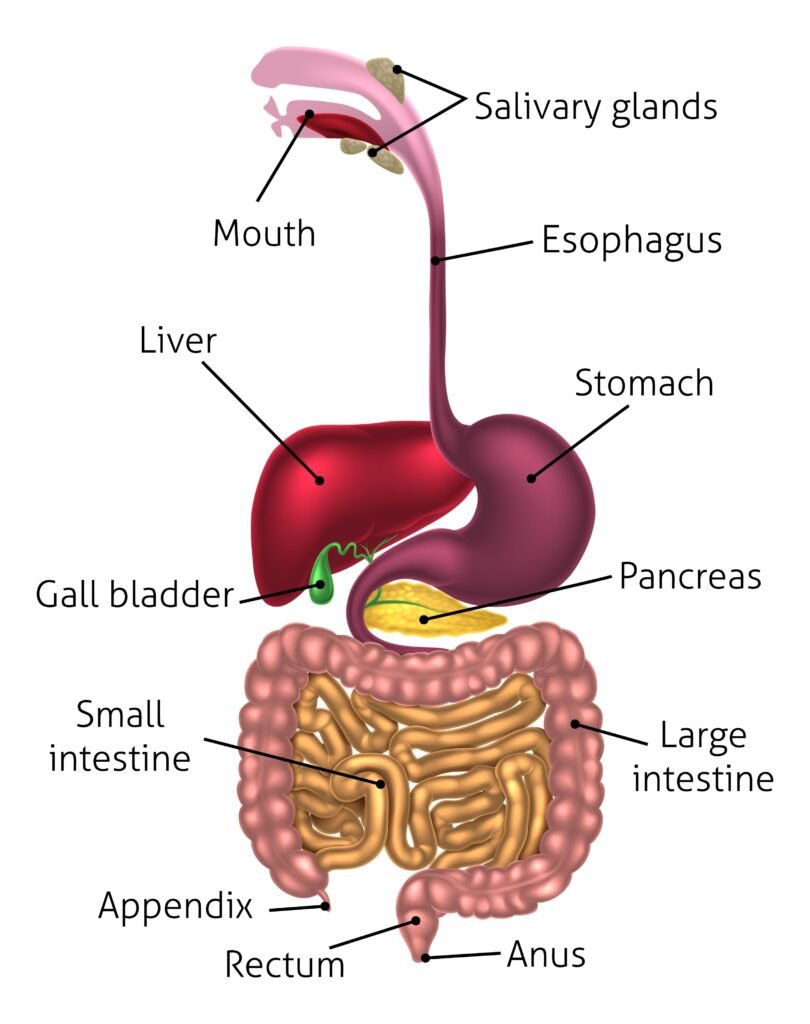
2. Rectal Bleeding and Stool Color
Blood is the most significant “red flag” symptom of colorectal cancer. It can manifest in two ways:
- Bright Red Blood: Often indicates bleeding in the lower colon or rectum.
- Dark, Tarry Stools: If blood originates higher up in the colon, it dries and turns the stool black or maroon.
Note: While hemorrhoids are a common cause of rectal bleeding, you should never assume they are the culprit without a medical evaluation.
3. Unexplained Weight Loss and Fatigue
If you are losing weight without changing your diet or exercise routine, your body may be using extra energy to fight a growth, or a tumor may be preventing nutrient absorption.
- Iron-Deficiency Anemia: Internal bleeding (even if not visible) can lead to a low red blood cell count, causing chronic exhaustion and weakness.
4. Abdominal Discomfort and Tenesmus
Persistent gas, bloating, or cramping that feels deeper than a typical stomach ache should be monitored. Additionally, many men experience tenesmus—the feeling that you need to have a bowel movement even when the bowels are empty.
Why Men Are at Higher Risk
Statistically, men are more likely to develop colon cancer and are less likely to stay up-to-date with screenings.
- Recommended Screening Age: The American Cancer Society now recommends that men of average risk begin regular screenings at age 45.
- Risk Factors: Family history, smoking, a diet high in processed meats, and inflammatory bowel diseases (IBD) can all increase your risk.
(Note: Example of where a medical diagram would go; in a real-world scenario, this would be a “Colon Cancer Risk Factor Chart”)
FAQ
Usually, a persistent change in bowel habits or unexplained rectal bleeding.
Yes. Early-stage colon cancer and polyps often have no symptoms, which is why screening is vital.
Current guidelines suggest starting at age 45 for those with average risk.
Yes, both can cause rectal bleeding, which is why a doctor must confirm the cause.
If you have been experiencing any of these symptoms for more than two weeks, do not wait. Schedule an appointment with a gastroenterologist today.
Thank You For Visiting Our Website https://medlifeguide.com/. We Value Your Feedback!