
Medically Reviewed and Compiled by Dr. Adam N. Khan, MD.
Quick Summary
The COVID incubation period is the time between exposure to the SARS-CoV-2 virus and the start of symptoms. Most people develop symptoms within 2 to 5 days, but it can range from 2 to 14 days. Some individuals remain asymptomatic yet can still transmit the virus. Incubation tim
Medically Reviewed and Compiled by Dr. Adam N. Khan, MD.
Quick Summary
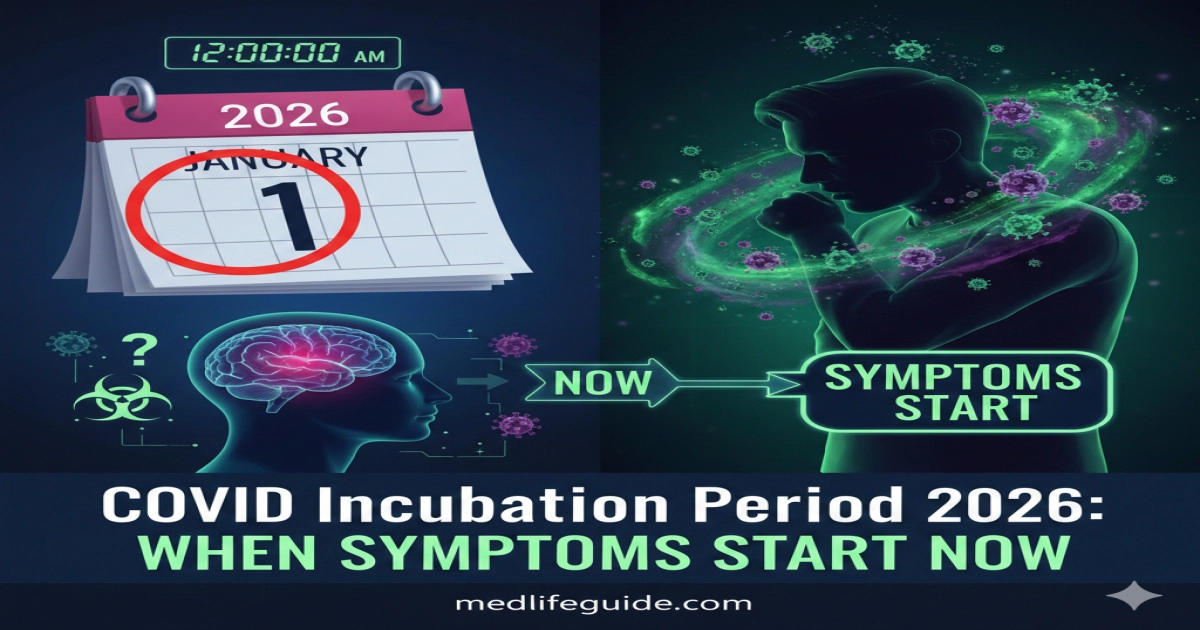
The COVID incubation period is the time between exposure to the SARS-CoV-2 virus and the start of symptoms. Most people develop symptoms within 2 to 5 days, but it can range from 2 to 14 days. Some individuals remain asymptomatic yet can still transmit the virus. Incubation time varies based on viral variant, immune status, age, and vaccination history.
What Is the COVID Incubation Period?
The COVID incubation period refers to the time interval between infection with the SARS-CoV-2 virus and the onset of symptoms. According to the Centers for Disease Control and Prevention (CDC), most individuals develop symptoms within 2–5 days after exposure, though the range may extend up to 14 days.
The incubation period is clinically important because:
- It determines quarantine and isolation recommendations
- It guides contact tracing
- It influences testing timing
- It affects transmission risk modeling
Understanding this period helps reduce spread and supports early treatment decisions.
Average COVID Incubation Timeline
Typical Range
Data from multiple peer-reviewed studies and public health authorities confirm:
- Median incubation period: 3–5 days
- Overall range: 2–14 days
- Shorter incubation observed with Omicron variants
Research published in the New England Journal of Medicine reported earlier in the pandemic that the median incubation period was approximately 5 days. More recent data show shorter intervals with newer variants.
Variant-Specific Differences
Studies published in JAMA Network indicate that:
- Original Wuhan strain: ~5–6 days
- Delta variant: ~4 days
- Omicron variant: ~3 days
Shorter incubation periods contribute to faster community spread.
Why the Incubation Period Matters Clinically
1. Testing Accuracy
Testing too early after exposure may produce false-negative results. The World Health Organization (WHO) advises testing 5 days after exposure if asymptomatic or immediately upon symptom onset.
2. Transmission Risk
People can transmit the virus 1–2 days before symptoms appear. This pre-symptomatic transmission complicates containment strategies.
3. Quarantine Duration
The CDC’s guidance on quarantine duration is based directly on the known incubation window.
What Happens During the Incubation Period?
During incubation:
- The virus enters respiratory epithelial cells.
- Viral replication begins.
- The immune system detects viral particles.
- Inflammatory responses increase.
Symptoms emerge once viral load and immune response reach a threshold.
Research published in The Lancet describes viral replication patterns peaking around the time of symptom onset.
Symptoms That May Appear After Incubation
Common early symptoms include:
- Fever
- Cough
- Fatigue
- Sore throat
- Nasal congestion
- Headache
- Loss of taste or smell
Some individuals experience mild symptoms; others may develop severe illness, especially high-risk groups.
Factors That Influence the COVID Incubation Period
Age
Older adults may show symptom onset slightly later due to immune response variability.
Immune Status
Immunocompromised individuals may have altered symptom presentation.
Vaccination Status
Vaccinated individuals often:
- Experience milder symptoms
- May show shorter symptomatic duration
- Still follow similar incubation timelines
CDC and WHO data confirm vaccination reduces severe outcomes but does not completely eliminate infection risk.
Viral Load at Exposure
Higher viral exposure may shorten incubation due to rapid replication.
Asymptomatic Cases and Incubation
Some individuals never develop symptoms despite infection. These cases still undergo viral replication and can transmit the virus.
A study cited in Nature Medicine estimated a substantial proportion of infections may be asymptomatic, particularly among younger populations.
Unique Clinical Takeaways
1. Incubation Period and Differential Diagnosis in Respiratory Illness
During peak respiratory virus season in the United States, COVID shares symptom overlap with:
- Influenza
- RSV
- Adenovirus
Influenza typically has a shorter incubation period (1–4 days). If symptoms begin within 24–48 hours of exposure, influenza may be more likely. A 3–5 day interval raises suspicion for COVID, particularly during high community transmission.
Clinical application:
- Timeline mapping improves diagnostic accuracy before confirmatory testing.
- Helps avoid unnecessary antiviral prescribing.
2. High-Risk Household Transmission Patterns
Household exposure often leads to predictable symptom staging:
- Index case symptoms appear first
- Secondary cases typically develop symptoms 3–5 days later
Short incubation intervals inside households are associated with higher viral exposure loads.
Actionable guidance:
- Immediate masking after first household symptom onset reduces secondary transmission.
- Testing on day 3–5 after exposure increases detection accuracy.
3. Incubation Period in Immunocompromised Patients
In patients undergoing:
- Chemotherapy
- Organ transplantation
- Chronic steroid therapy
Symptom onset may be delayed or atypical. Fever may be absent. Respiratory decline may appear before classic upper respiratory symptoms.
Clinical implication:
- Lower threshold for testing
- Early antiviral evaluation
- Closer monitoring even with mild initial symptoms
The CDC identifies immunocompromised individuals as high risk for severe progression.
4. Public Health Impact of Shorter Incubation Variants
Variants with shorter incubation:
- Reduce effectiveness of symptom-based screening
- Increase pre-symptomatic transmission
- Accelerate outbreak cycles
This epidemiological shift requires:
- Rapid antigen testing strategies
- Shorter response times in contact tracing
Shorter incubation periods correlate with faster epidemic growth curves.
COVID Incubation in Children
Children generally:
- Develop symptoms within similar 2–5 day windows
- Often experience mild illness
- May remain asymptomatic
The American Academy of Pediatrics reports that most pediatric cases are mild, though monitoring is necessary for high-risk children.
When to Test After Exposure
Recommended timing based on CDC guidance:
- Day 5 after exposure if asymptomatic
- Immediately if symptoms develop
- Repeat testing if initial result is negative but symptoms persist
PCR testing remains more sensitive than rapid antigen testing in early infection.
Isolation and Quarantine Guidelines
Guidance evolves, but general principles include:
- Isolate when symptomatic
- Mask during the first 10 days after symptom onset
- Follow public health recommendations for high-risk exposures
Policies vary based on community transmission and healthcare setting.
How Long Are You Contagious?
Most individuals:
- Become contagious 1–2 days before symptoms
- Remain infectious for approximately 5–10 days
Severely immunocompromised patients may shed virus longer.
Incubation Period vs. Infectious Period
These are not identical.
- Incubation period: Exposure to symptoms
- Infectious period: When virus can spread
In COVID, infectiousness often begins before symptom onset, complicating prevention strategies.
Common Questions About the COVID Incubation Period
Rarely. Most public health authorities use 14 days as the maximum observed window.
Evidence suggests similar incubation timing but reduced severity and duration of symptoms.
Yes. PCR testing may detect viral RNA before symptom onset.
Medical Disclaimer
This article is for educational purposes only and does not substitute for professional medical advice, diagnosis, or treatment. Always consult a qualified healthcare provider regarding medical concerns or symptoms