
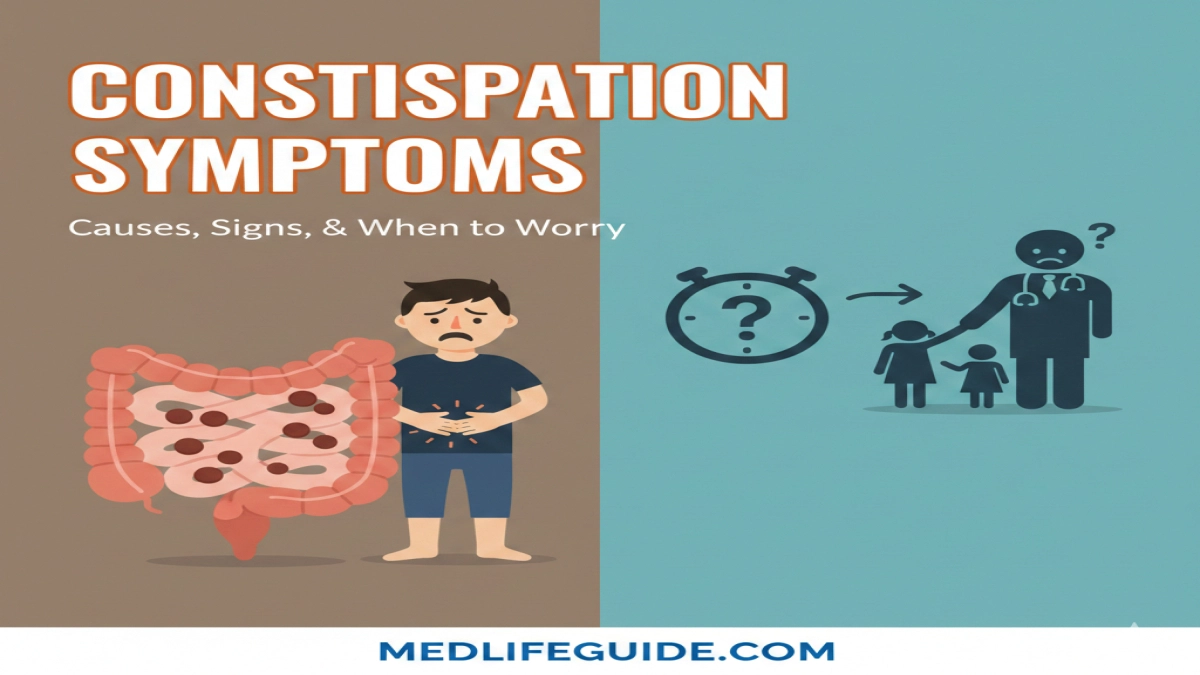
Constipation symptoms are among the most common digestive complaints in adults and children. While occasional constipation can occur due to diet or lifestyle changes, persistent or worsening symptoms may indicate an underlying medical condition that requires attention. Understanding constipation symptoms in detail helps patients recognize when self-care i
Constipation symptoms are among the most common digestive complaints in adults and children. While occasional constipation can occur due to diet or lifestyle changes, persistent or worsening symptoms may indicate an underlying medical condition that requires attention. Understanding constipation symptoms in detail helps patients recognize when self-care is sufficient and when professional evaluation is necessary.
This guide explains constipation symptoms using clear, USA-based medical standards, focusing on patient awareness, clinical relevance, and evidence-based information.
What Is Constipation?
Constipation is a gastrointestinal condition defined by infrequent bowel movements, difficulty passing stool, or a sense of incomplete evacuation. Clinically, constipation is often diagnosed when bowel movements occur fewer than three times per week, but symptom severity matters more than frequency alone.
Constipation can be acute (short-term) or chronic (lasting several weeks or longer).
Common Constipation Symptoms
Infrequent Bowel Movements
- Fewer than three bowel movements per week
- Long gaps between bowel movements
- Gradual reduction in normal bowel frequency
Infrequent bowel movements alone do not always indicate constipation. Symptoms become clinically relevant when they are accompanied by discomfort or stool changes.
Hard, Dry, or Lumpy Stools
- Stool appears pebble-like or very firm
- Stool is difficult to pass despite straining
- Increased discomfort during bowel movements
Hard stools are a hallmark sign and are commonly caused by slow movement of stool through the colon, allowing excess water absorption.
Straining During Bowel Movements
- Needing excessive effort to pass stool
- Spending extended time on the toilet
- Feeling pressure in the rectum
Straining increases the risk of complications such as hemorrhoids and anal fissures.
Sensation of Incomplete Evacuation
- Feeling that stool remains after a bowel movement
- Repeated attempts to pass stool without success
- Persistent rectal fullness
This symptom is common in chronic constipation and pelvic floor dysfunction.
Abdominal Discomfort and Bloating
- Lower abdominal pressure
- Visible abdominal distension
- Cramping that improves after bowel movement
Gas buildup often accompanies constipation due to slowed intestinal transit.
Rectal Pain or Discomfort
- Pain during or after bowel movements
- Burning or soreness around the anus
- Sharp pain associated with hard stools
This symptom may indicate fissures or irritation of rectal tissue.
Less Common but Important Constipation Symptoms
Nausea and Reduced Appetite
- Feeling full quickly
- Mild nausea without vomiting
- Reduced interest in food
These symptoms may occur when stool buildup slows digestion.
Back Pain or Pelvic Pressure
- Dull lower back discomfort
- Sensation of heaviness in the pelvis
These symptoms are more common in severe or prolonged constipation.
Mucus in Stool
- Clear or white mucus coating stool
- Sensation of slippery stool passage
Small amounts of mucus can be normal, but persistent mucus should be evaluated.
Chronic Constipation Symptoms
Chronic constipation is diagnosed when symptoms persist for at least three months and meet specific clinical criteria.
Key Features of Chronic Constipation
- Long-term straining
- Regular hard stools
- Ongoing feeling of incomplete evacuation
- Dependence on laxatives
Chronic constipation often requires medical evaluation to identify functional or structural causes.
Constipation Symptoms in Different Age Groups
Constipation Symptoms in Adults
- Reduced bowel frequency
- Abdominal bloating
- Lifestyle-related triggers (diet, stress, inactivity)
Adults commonly develop constipation due to medication use, dehydration, or dietary habits.
Constipation Symptoms in Older Adults
- Sudden change in bowel habits
- Increased stool hardness
- Reduced rectal sensation
In older adults, constipation may be linked to reduced mobility, neurological conditions, or medication side effects.
Constipation Symptoms in Children
- Withholding behavior
- Painful bowel movements
- Stool accidents due to overflow
Pediatric constipation often has behavioral or dietary causes and requires early intervention.
Severe Constipation Symptoms That Require Medical Attention
Seek medical evaluation if constipation symptoms include:
- Blood in stool
- Unexplained weight loss
- Persistent abdominal pain
- Vomiting
- Fever
- Sudden constipation in adults over 50
These signs may indicate bowel obstruction, colorectal cancer, or inflammatory disease.
Unique Clinical Takeaways
1. Constipation Symptoms Can Mask Serious Conditions
Not all constipation is functional. New-onset constipation with anemia, fatigue, or blood in stool raises concern for colorectal malignancy or strictures. Symptom pattern changes are clinically more significant than long-standing constipation.
Actionable Insight: Any adult experiencing a sudden change in bowel habits lasting more than three weeks should undergo clinical evaluation.
2. Patient Perception Often Underestimates Severity
Many patients normalize chronic straining and incomplete evacuation. Studies show patients frequently delay care for years, increasing complication risk.
Actionable Insight: Constipation symptoms that interfere with daily activities or require routine laxative use meet criteria for medical assessment.
3. Overuse of Laxatives Can Worsen Symptoms
Chronic stimulant laxative use may reduce colonic responsiveness, leading to dependency and worsening constipation symptoms.
Actionable Insight: Patients using laxatives more than twice weekly for several months should seek professional guidance for safer long-term management.
4. Pelvic Floor Dysfunction Is Frequently Missed
Some patients experience constipation despite normal stool consistency. This may be due to impaired coordination of pelvic muscles rather than slow transit.
Actionable Insight: Persistent straining with soft stool suggests defecatory disorders and benefits from specialized testing and pelvic floor therapy.
Causes Linked to Constipation Symptoms
- Low fiber intake
- Inadequate hydration
- Sedentary lifestyle
- Medications (opioids, anticholinergics, iron supplements)
- Neurological disorders
- Endocrine disorders (hypothyroidism)
Understanding causes helps align symptoms with appropriate treatment.
When Constipation Symptoms Become an Emergency
Immediate medical care is required if symptoms include:
- Severe abdominal pain
- Inability to pass gas or stool
- Vomiting with abdominal swelling
These signs may indicate bowel obstruction or fecal impaction.
How Constipation Symptoms Are Clinically Evaluated
Physicians may assess:
- Symptom duration and severity
- Dietary habits
- Medication history
- Physical examination
- Blood tests or imaging if indicated
Diagnostic criteria often rely on Rome IV guidelines.
Managing Constipation Symptoms Early
Early recognition allows effective symptom control through:
- Dietary fiber adjustment
- Adequate fluid intake
- Physical activity
- Scheduled bowel habits
Persistent symptoms require medical guidance.
Medical Disclaimer
This content is for informational purposes only and does not substitute professional medical advice, diagnosis, or treatment. Always consult a qualified healthcare provider regarding constipation symptoms or any medical condition.