
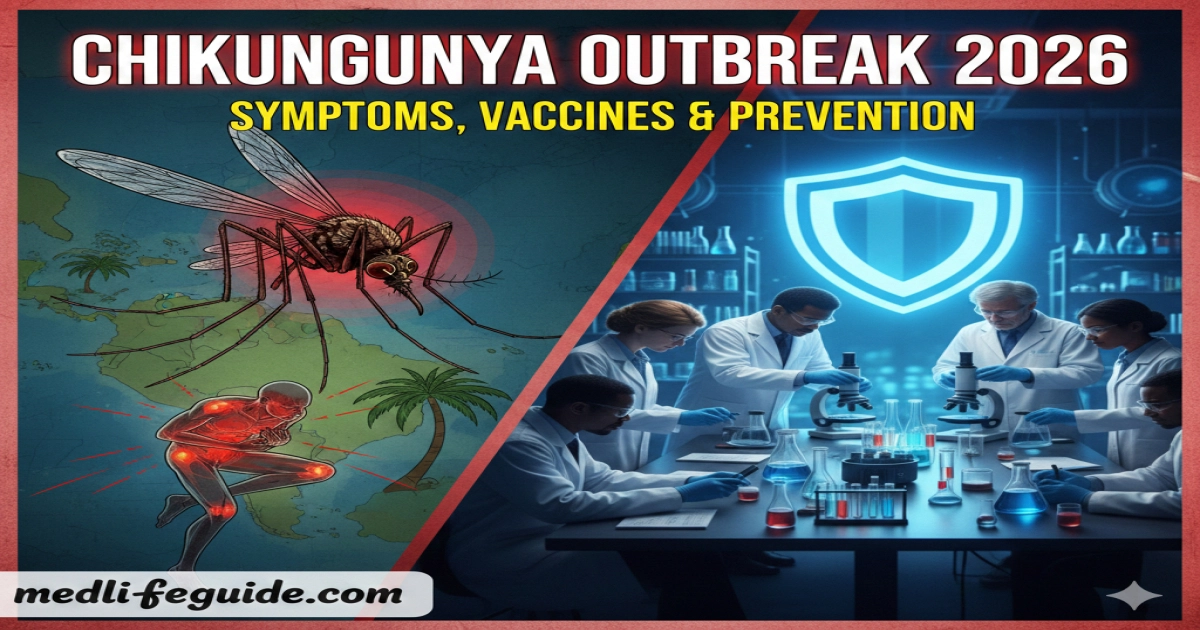
Chikungunya is a virus spread by mosquitoes that causes high fever and severe joint pain. In early 2026, health experts noticed a rise in cases across the Americas and parts of Asia. While a vaccine called IXCHIQ is available, new safety rules in 2026 limit its use to adults aged 18 to 59 who do not have chronic health conditions. The best protection remains preventing mosquito bites by using repellent and wearing long sleeves.+3
What is the Chikungunya Virus?
Chikungunya (pronounced chik-un-GOON-ya) is a disease caused by a virus. It does not spread from person to person like a cold or the flu. Instead, it travels through the bite of an infected mosquito—specifically the Aedes aegypti and Aedes albopictus species. These are the same mosquitoes that carry Dengue and Zika.+3
The name comes from a word in the Kimakonde language meaning “to become contorted.” This describes the way people often stoop over because of the intense joint pain the virus causes.
The 2026 Outbreak: Why is it Spreading Now?
As of February 2026, the Pan American Health Organization (PAHO) has issued alerts for several countries. After nearly a decade of low numbers, the virus has returned to places like Guyana and Suriname.+1
Several factors are driving this 2026 surge:
- Warmer Weather: Rising global temperatures allow mosquitoes to live in new areas and breed faster.
- Travel: People traveling from regions with many cases can unknowingly bring the virus to new cities.
- Low Immunity: Because many areas haven’t seen Chikungunya in years, people’s immune systems aren’t prepared to fight it off.
Signs and Symptoms to Watch For
Most people who get infected will feel sick within 3 to 7 days after being bitten. The symptoms usually start very suddenly.
Common Symptoms:
- High Fever: Often the first sign, appearing abruptly.
- Severe Joint Pain: This is the most famous symptom. It usually affects the hands, feet, and knees.
- Muscle Pain and Headache: General body aches that make you feel very tired.
- Skin Rash: Small red spots may appear on the arms, legs, or trunk.
While most people feel better within a week, the joint pain can sometimes last for months or even years. This is known as “chronic” pain and can be very difficult to manage without medical help.+1
Vaccine Updates for 2026
There is good news and important caution regarding vaccines this year.
In early February 2026, medical regulators updated the rules for the IXCHIQ vaccine. While it is effective, it is now strictly recommended only for:
- Adults aged 18 to 59.
- People without chronic conditions like heart disease, diabetes, or high blood pressure.
Because the vaccine uses a weakened live version of the virus, it is no longer given to people over age 60 or those with weak immune systems. If you are planning to travel to an outbreak area, talk to your doctor at least 30 days before your trip to see if you are eligible.
How to Protect Yourself and Your Family
Since there is no specific medicine to cure the virus once you have it, prevention is your best tool.
1. Stop the Bites
- Use Repellent: Look for sprays containing DEET, Picaridin, or Oil of Lemon Eucalyptus.
- Dress Right: Wear long-sleeved shirts and long pants, especially during the day when these mosquitoes are most active.
- Secure Your Home: Use window screens and air conditioning to keep mosquitoes outside.
2. Clean Up Your Yard
Mosquitoes lay their eggs in standing water. Even a tiny bottle cap full of water is enough for them to breed.
- Empty flowerpot saucers weekly.
- Change the water in birdbaths every few days.
- Make sure gutters aren’t clogged with wet leaves.
What to Do if You Get Sick
If you think you have Chikungunya, the most important thing is to rest and stay hydrated.
- See a Doctor: Get a blood test to confirm if it is Chikungunya or something else like Dengue.
- Take Acetaminophen: This can help with fever and pain. Avoid Aspirin or Ibuprofen until a doctor confirms you don’t have Dengue, as those medicines can increase the risk of bleeding in Dengue patients.
- Prevent Further Spread: If you are sick, stay indoors or under a mosquito net for the first week. If a mosquito bites you while you have the virus, it can then bite someone else and spread the disease to your family or neighbors.