
Dialysis and treatments support or replace kidney function by removing wastes, balancing fluids and electrolytes, and treating underlying causes.
Dialysis & Treatments
World Kidney Day 2026: Protect Your Kidneys with These 4 Powerful Habits
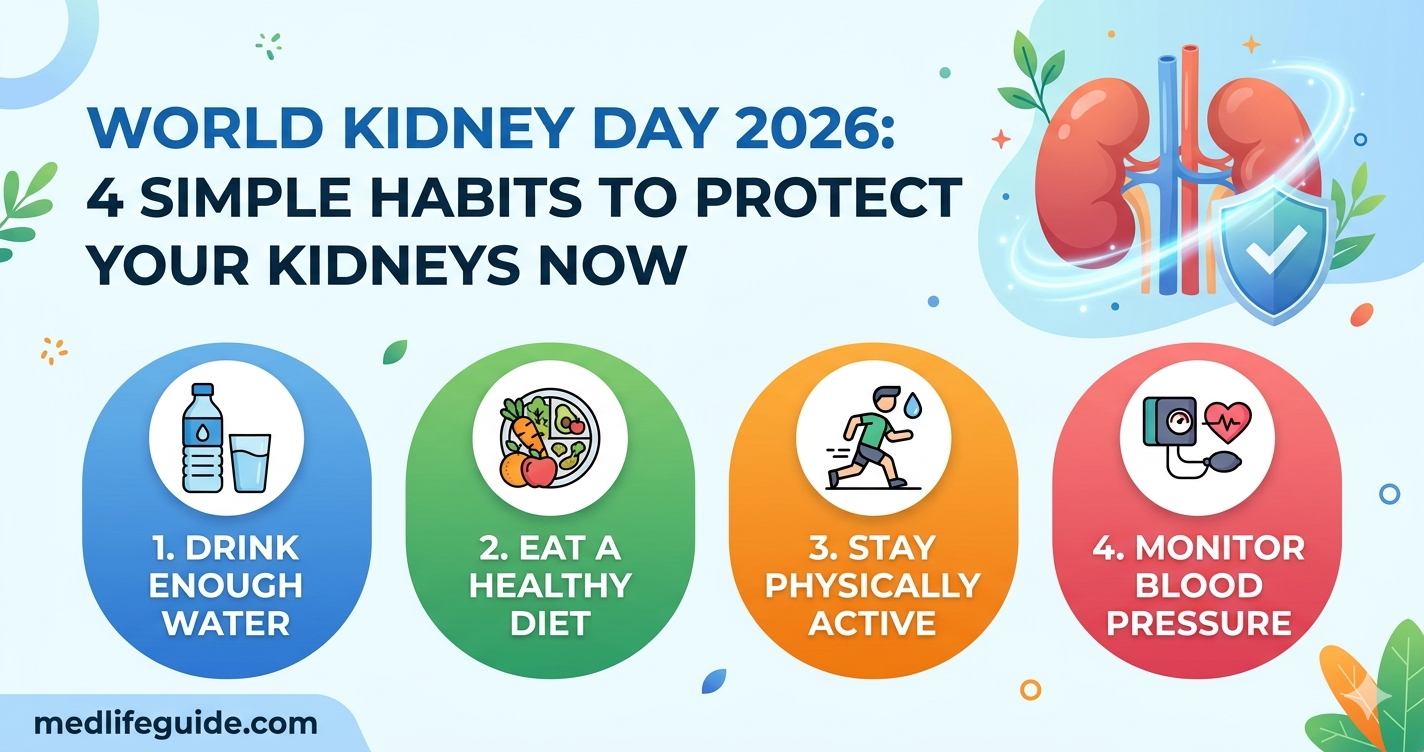
March 12, 2026 – Today marks World Kidney Day, the 20th anniversary of this vital global campaign! The official 2026 theme, “Kidney Health for All – Caring for People, Protecting the Planet”, shines a spotlight on the deep connection between personal kidney health, equitable care, and environmental sustainability. Chronic kidney disease (CKD) silently affects hundreds … Read more
Life Expectancy Without Dialysis An Amazing Fact

Understanding life expectancy without dialysis can be hard. It’s important for those with kidney problems. Without dialysis, harmful stuff builds up in the body. This can cause big health problems. Some people might live weeks or months, based on their health. Looking at options like kidney transplants can give hope. For example, a 55-year-old with … Read more
Do You Need Dialysis with One Kidney? Understanding Kidney Function and Long-Term Health

Do you need dialysis with one kidney? This is a question many people ask after learning they have a single kidney. The good news is that most people with one kidney will not need dialysis. However, understanding how your kidneys work and what you can do to keep them healthy is vital. This guide explains … Read more
What Are the Four Main Types of Renal Replacement Therapy? Expert Insights
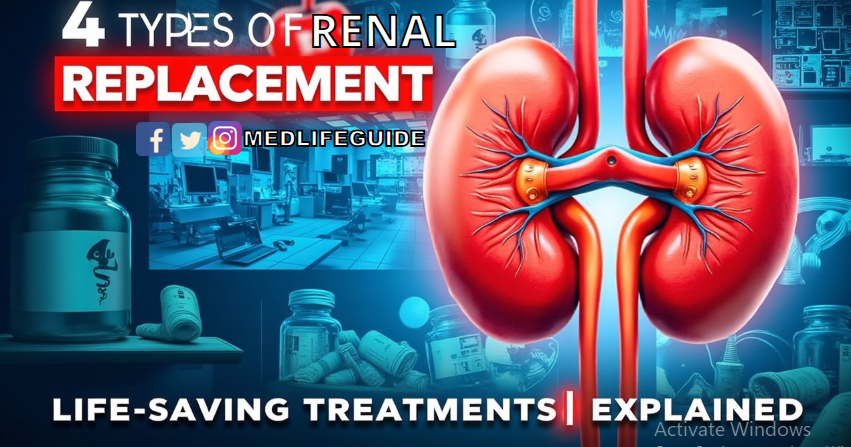
Medically Reviewed and Compiled by Dr. Adam N. Khan, MD. The four main types of renal replacement therapy Hemodialysis, Peritoneal Dialysis, Kidney Transplantation, and CRRT each serve a vital purpose. Whether it is the life-saving speed of CRRT in a hospital or the freedom of a successful transplant, these treatments ensure that kidney failure is … Read more
What Is the Difference Between Dialysis and Renal Replacement Therapy?
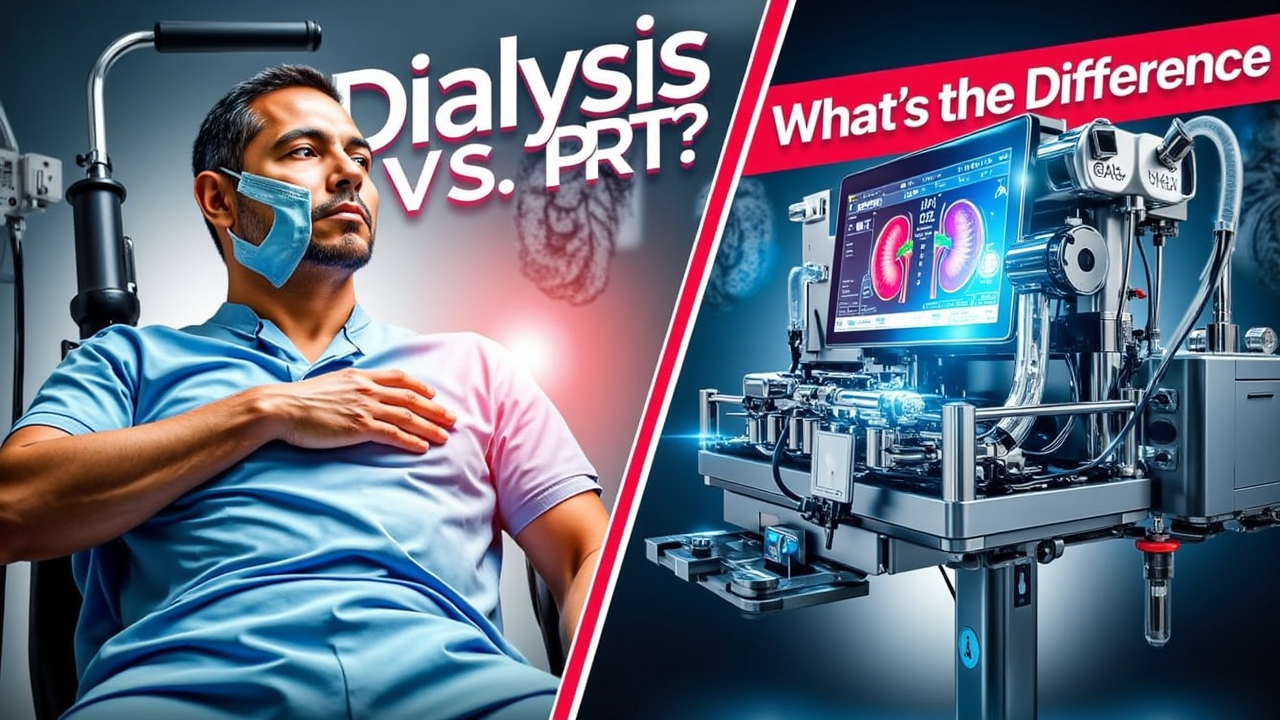
Medically Reviewed and Compiled by Dr. Adam N. Khan, MD. Understanding Kidney Care: The Big Picture When your kidneys aren’t working the way they should, the medical world starts using a lot of big words. Two of the most common terms you will hear are Dialysis and Renal Replacement Therapy (RRT). If you are feeling … Read more
Can Your Kidneys Heal After Dialysis? Expert Answers and Tips
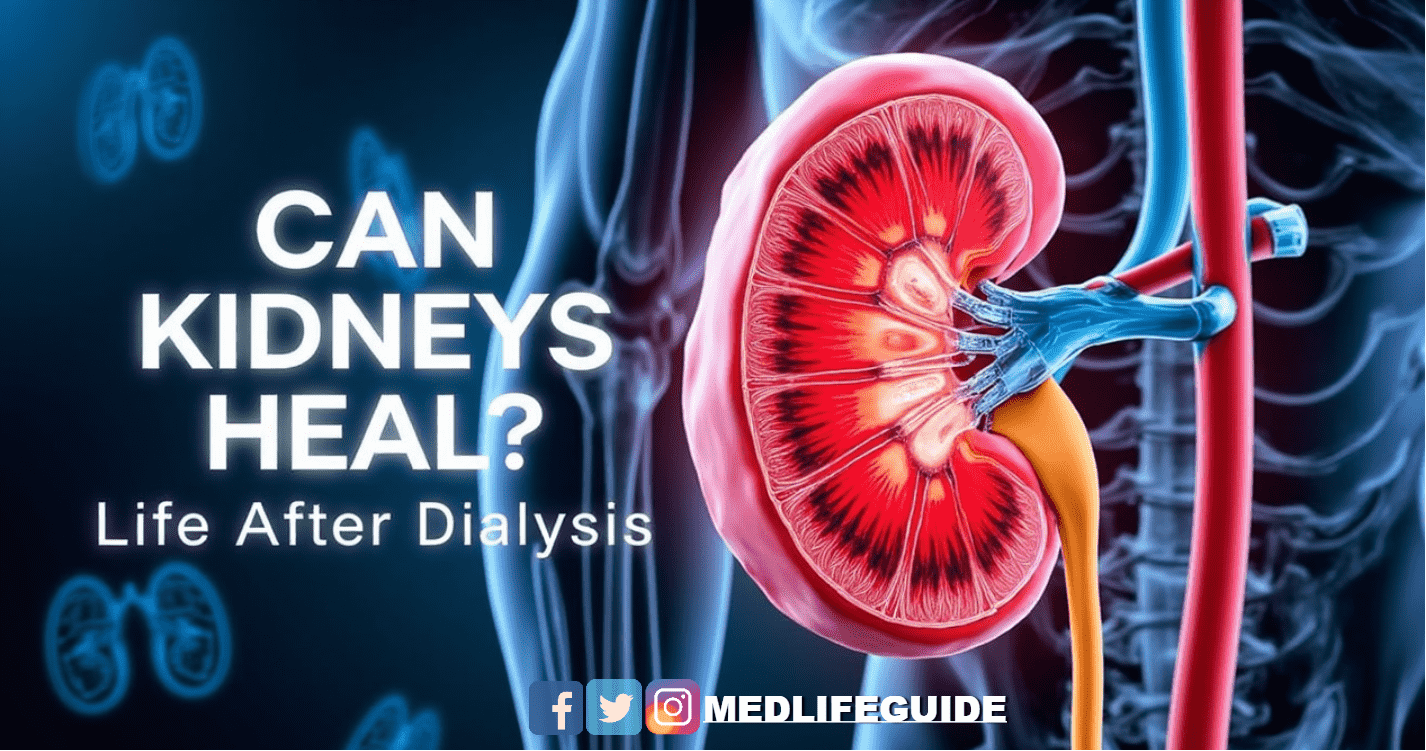
Medically Reviewed and Compiled by Dr. Adam N. Khan, MD. Understanding the Big Question: Is Recovery Possible? When a doctor mentions the word “dialysis,” it often feels like a permanent sentence. It is a heavy moment for any patient or family member. The immediate fear is usually that the kidneys have “quit” forever. However, the … Read more
The Science Behind CRRT: Why It’s the Most Gentle Dialysis

Medically Reviewed and Compiled by Dr. Adam N. Khan, MD. The science behind CRRT is simple in its goal but complex in its execution: be the kidney that the patient currently lacks. By moving slowly, using the power of pressure (convection), and keeping the blood chemistry perfectly balanced, CRRT provides a “bridge.” It keeps the … Read more
Critical Differences between CRRT and Dialysis
Medically Reviewed and Compiled by Dr. Adam N. Khan, MD. The main difference between Continuous Renal Replacement Therapy (CRRT) and standard Hemodialysis (HD) is speed and duration. Dialysis is a fast treatment, usually lasting 3 to 4 hours, designed to clean the blood quickly for stable patients. CRRT is a slow, gentle, 24-hour-a-day process used … Read more
Why ENPCR is Vital for Dialysis: Boost Your Kidney Health

Understanding ENPCR in Kidney Dialysis – This graphic highlights the role of Estimated Normalized Protein Catabolic Rate (ENPCR) in assessing protein breakdown, nutrition status, and dialysis adequacy.
End Stage Renal Disease (ESRD)

Introduction to End Stage Renal Disease (ESRD) End-stage renal disease (ESRD), also known as kidney failure, marks the final stage of chronic kidney disease (CKD), where kidneys lose their ability to filter waste and fluids from the blood. Over 800,000 people in the U.S. live with ESRD, relying on dialysis or transplants to survive. This … Read more
Acute Renal Replacement Therapy

Introduction to Acute Renal Replacement Therapy Acute Renal Replacement Therapy (ARRT) is a life-saving treatment for patients with severe kidney problems. This therapy helps to filter and clean the blood when the kidneys are not functioning properly. Understanding ARRT is crucial for patients, families, and healthcare providers. This article will explain what ARRT is, how … Read more