
Medically Reviewed and Compiled by Dr. Adam N. Khan, MD.
Introduction
Severe acute respiratory syndrome coronavirus 2 (SARS‑CoV‑2), the virus that causes COVID‑19, is primarily known for its respiratory manifestations. However, gastrointestinal (GI) involvement, including diarrhea, has been well‑documented in clinical studies and systemati
Medically Reviewed and Compiled by Dr. Adam N. Khan, MD.
Introduction
Severe acute respiratory syndrome coronavirus 2 (SARS‑CoV‑2), the virus that causes COVID‑19, is primarily known for its respiratory manifestations. However, gastrointestinal (GI) involvement, including diarrhea, has been well‑documented in clinical studies and systematic reviews. This article examines the evidence, mechanisms, clinical presentation, differential considerations, and implications of COVID‑associated diarrhea. The goal is to provide a medically grounded, comprehensive resource grounded in peer‑reviewed and authoritative data.
What Is Diarrhea in the Context of COVID‑19?
Diarrhea refers to the passage of unusually loose or watery stools, often with increased frequency. In COVID‑19, diarrhea may:
- Occur before, during, or after respiratory symptoms.
- Be the only presenting symptom of infection in some cases.
- Vary from mild and self‑limiting to more severe forms that require clinical evaluation.
- Reportedly affect up to approximately 10–20% of infected individuals across studies.
Prevalence and Clinical Patterns
Reported Prevalence
- Systematic reviews of COVID‑19 cohorts have found diarrhea in a significant fraction of patients, typically around 11–17%.
- Observational data show a wide range of incidence (2% to 49.5%) depending on study design and population.
- Meta‑analytical evidence indicates that GI symptoms, including diarrhea, nausea, or vomiting, may be more common in severe disease.
Clinical Features
Typical characteristics of COVID‑associated diarrhea include:
- Onset: May occur at any point relative to respiratory symptoms.
- Nature: Usually nonbloody and watery.
- Duration: Often lasts several days, though some case series report prolonged patterns.
- Severity Spectrum: Ranges from mild self‑limiting to occasionally severe; rarely life‑threatening under specific conditions.
Pathophysiology: Why COVID Can Cause Diarrhea
Understanding how SARS‑CoV‑2 leads to diarrhea involves several biologic mechanisms:
Viral Entry and GI Involvement
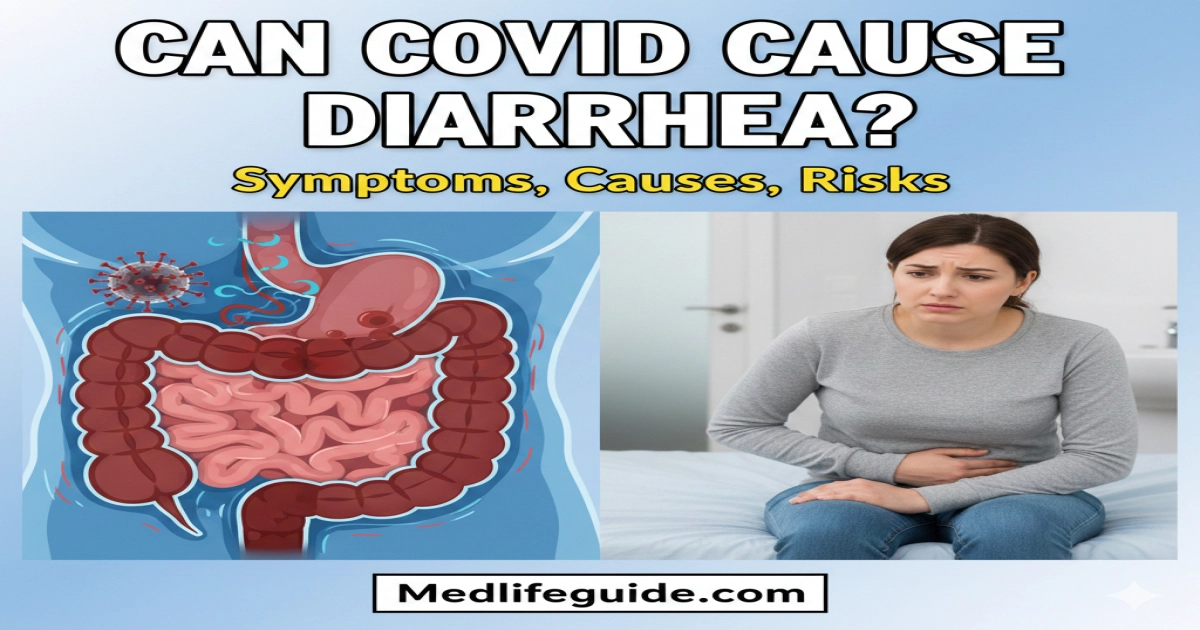
SARS‑CoV‑2 binds to angiotensin‑converting enzyme 2 (ACE2) receptors, which are not exclusive to the respiratory tract but also expressed in intestinal epithelial cells. This distribution provides a plausible basis for direct viral infection of the gastrointestinal tract.
Local Inflammation and Mucosal Disruption
- Viral replication and immune response in the gut mucosa can disrupt normal absorption and secretion processes, contributing to diarrhea.
- Evidence of viral RNA in stool samples supports GI involvement beyond respiratory tract colonization.
Gut Microbiome Alterations
Emerging research suggests SARS‑CoV‑2 infection can alter gut microbial composition, potentially impairing gut barrier function and contributing to diarrheal symptoms.
Fecal Shedding and Viral Persistence
Some studies have documented persistent detection of viral RNA in feces even after respiratory samples become negative, which highlights prolonged GI involvement in certain individuals.
Typical Clinical Presentation
Patients with COVID‑19 who experience diarrhea may present with:
- Increased stool frequency (typically watery stools)
- Abdominal cramping or discomfort
- Associated GI complaints such as nausea, vomiting, or loss of appetite
- Concurrent respiratory symptoms or isolated GI symptoms
Diarrhea may occur in mild COVID‑19 cases as well as in more severe presentations. Some studies suggest patients with diarrhea might have a higher likelihood of severe disease, though not all data are consistent.
Differential Diagnosis
Not all diarrhea in a person with COVID‑19 is automatically caused by the virus itself. Differential considerations include:
- Coincident viral gastroenteritis (e.g., norovirus)
- Medication‑induced diarrhea, including antibiotics or antiviral treatments
- Clostridioides difficile infection, particularly in hospitalized patients or after antibiotic exposure
- Foodborne illnesses
- Post‑infectious irritable bowel syndrome following acute illness
Clinicians should consider these factors when evaluating GI symptoms in the context of COVID‑19.
Diagnostic Approach
Clinical Evaluation
Assessment typically includes:
- History and symptom timeline
- Physical examination
- COVID‑19 testing (PCR or antigen based on exposure and symptoms)
Laboratory and Stool Studies
Depending on severity and context, further evaluation may include:
- Stool cultures or PCR testing to rule out other pathogens
- Testing for Clostridioides difficile toxin
- Basic metabolic panels to assess dehydration or electrolyte imbalance
- Fecal calprotectin or lactoferrin in select cases
Imaging and Endoscopy
Rarely indicated but may be used in complicated cases with severe or prolonged symptoms.
Management Strategies
Supportive Care
- Hydration and electrolyte balance
- Dietary adjustments (e.g., BRAT diet)
- Avoidance of irritants (caffeine, alcohol)
Medications
- Antidiarrheal agents should be used with caution and under clinical guidance, especially in infection settings.
Addressing Underlying Causes
- Treatment of co‑infections (e.g., C. difficile) if identified
- Review and adjustment of medications that may contribute to GI symptoms
Unique Clinical Takeaways
1. Diarrhea as an Early or Sole Manifestation
In some patients, diarrhea may precede or entirely replace respiratory or systemic symptoms of COVID‑19. This pattern is clinically significant because it can delay recognition of infection and impact isolation and treatment strategies, particularly in community or institutional settings.
2. Severity Correlation and Prognostic Considerations
Data from meta‑analyses indicate that the presence of diarrhea may be associated with severe disease courses in some cohorts. Clinicians should carefully monitor patients with GI symptoms for subtle signs of systemic progression, especially in patients with comorbidities.
3. Long COVID and Persistent GI Dysregulation
Ongoing research points to persistent GI dysbiosis and prolonged stool viral shedding in post‑acute COVID‑19, which may contribute to prolonged symptoms, including diarrhea and functional gut disorders. Longitudinal monitoring and symptom management strategies may be necessary in a subset of patients.
Prevention and Public Health Perspectives
- Vaccination remains central to reducing overall COVID‑19 impact, including potential GI manifestations.
- Hygiene practices such as handwashing reduce both respiratory and fecal‑oral transmission risk.
- Awareness of GI symptoms among clinicians and public health practitioners can support improved case detection and management.
References and Citations
Sources used in the article above:
- CDC – Clinical Presentation of COVID‑19 including GI symptoms.
- Systematic review of GI manifestations in COVID‑19 patients (PMC).
- Meta‑analysis of GI and hepatic symptoms including diarrhea prevalence.
- Association of diarrhea with severity in COVID‑19 – systematic review and meta‑analysis.
- Diarrhea and COVID‑19 clinical features and management overview.
- Variant‑specific GI symptom prevalence and viral shedding data.
- Pooled prevalence of digestive symptoms and severity correlation.
- Pathogenesis, epidemiology, and potential fecal‑oral transmission.
- GI manifestations, mechanisms, and mucosal effects of SARS‑CoV‑2.
- Diarrhea frequency and characteristics in COVID‑19 patients.
Medical Disclaimer
This article is provided for informational purposes and does not substitute for professional medical advice, diagnosis, or treatment. Always consult a qualified healthcare provider regarding personal health concerns or symptoms.