
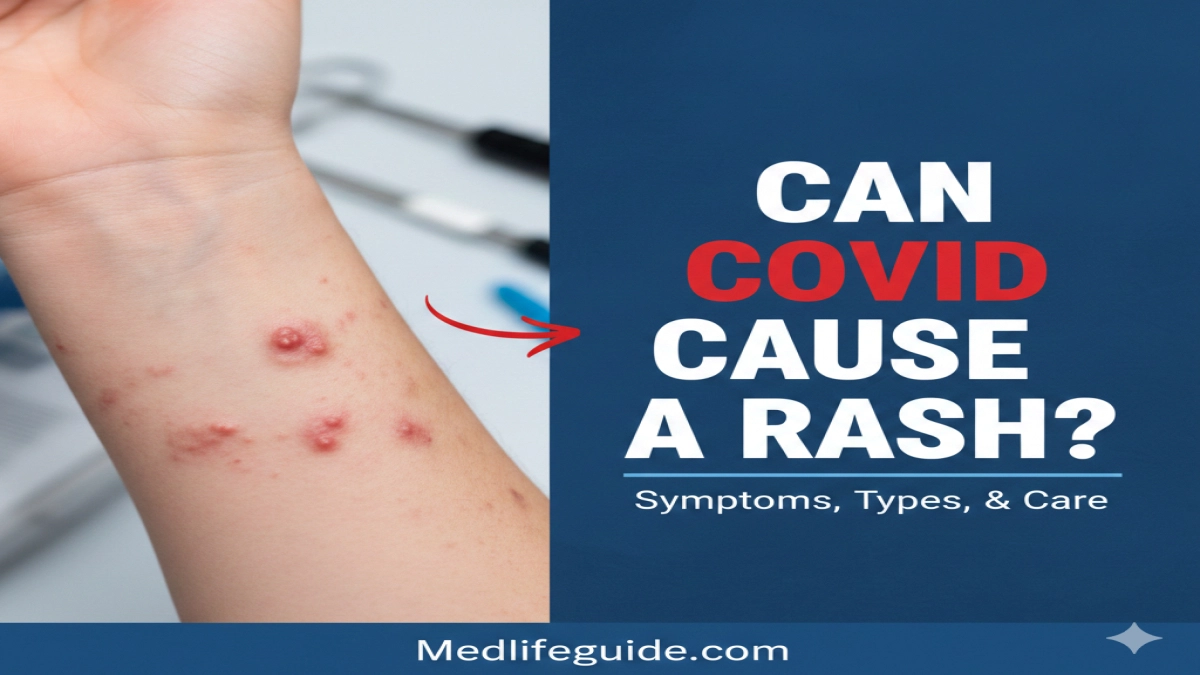
Yes. COVID-19 can cause a skin rash. Skin findings are a recognized symptom of SARS-CoV-2 infection and may appear before, during, or after other symptoms. Rashes linked to COVID vary in appearance, timing, and severity. Some are mild and short-lived; others can signal immune or vascular involvement that requires medical attention. This article explains ho
Yes. COVID-19 can cause a skin rash. Skin findings are a recognized symptom of SARS-CoV-2 infection and may appear before, during, or after other symptoms. Rashes linked to COVID vary in appearance, timing, and severity. Some are mild and short-lived; others can signal immune or vascular involvement that requires medical attention. This article explains how COVID causes rashes, the types reported, who is at risk, how to tell them apart from other conditions, and when to seek care.
How COVID-19 Affects the Skin
COVID-19 affects multiple organ systems, including the skin. Proposed mechanisms include:
- Immune response activation: Viral infection triggers cytokines that can inflame skin vessels and tissues.
- Vascular injury: Endothelial damage and microclot formation can produce livedoid or purpuric lesions.
- Direct viral effects: Viral particles or immune complexes may affect skin cells.
- Medication reactions: Treatments used during COVID can cause drug-related rashes.
Skin findings may occur even when respiratory symptoms are mild or absent.
Common Types of COVID-Related Rashes
1. Maculopapular (Morbilliform) Rash
- Appearance: Flat or slightly raised red spots, often widespread.
- Timing: Common during active infection.
- Symptoms: Itching is frequent.
- Notes: This is the most reported COVID rash pattern.
2. Urticarial (Hives)

- Appearance: Raised, itchy welts that come and go.
- Timing: Can appear early, sometimes before fever or cough.
- Notes: May overlap with allergic reactions; timing with COVID symptoms matters.
3. Chilblain-Like Lesions (“COVID Toes”)
- Appearance: Red or purple patches on toes or fingers; may swell or blister.
- Timing: Often late in infection or after recovery, especially in younger patients.
- Notes: Frequently seen in mild or asymptomatic cases.
4. Vesicular (Blistering) Rash
- Appearance: Small fluid-filled blisters, often on the trunk.
- Timing: Early to mid-infection.
- Notes: Can resemble chickenpox but differs in distribution.
5. Livedo Reticularis and Purpura
- Appearance: Net-like purple discoloration or non-blanching spots.
- Timing: Typically in severe disease.
- Notes: May indicate vascular involvement and requires urgent evaluation.
Where Do COVID Rashes Commonly Appear?
- Trunk (chest, back)
- Arms and legs
- Hands and feet (toes and fingers)
- Face (less common)
Distribution varies by rash type and patient factors.
When Does a COVID Rash Appear?
- Before other symptoms: Urticarial or vesicular rashes may precede fever or cough.
- During illness: Maculopapular rashes often coincide with systemic symptoms.
- After recovery: Chilblain-like lesions may appear weeks later.
Duration ranges from a few days to several weeks.
Is a COVID Rash Contagious?
No. The rash itself is not contagious. COVID-19 transmission occurs via respiratory droplets and aerosols, not through skin contact. However, a rash may coincide with active infection, during which the person can spread the virus.
Who Is More Likely to Get a COVID Rash?
- Children and young adults (chilblain-like lesions)
- Patients with strong immune responses
- Individuals with prior skin conditions (eczema, psoriasis)
- Hospitalized patients with severe disease (vascular rashes)
Rashes have been reported across all ages and skin tones.
COVID Rash vs. Other Common Rashes
COVID Rash vs. Allergic Reaction
- COVID: Often accompanied by fever, fatigue, or exposure history.
- Allergy: Rapid onset after allergen exposure; improves with antihistamines.
COVID Rash vs. Measles or Viral Exanthems
- COVID: Variable patterns; PCR or antigen testing confirms diagnosis.
- Measles: Distinct progression and vaccination history are key.
COVID Rash vs. Drug Eruption
- COVID: May precede medications.
- Drug reaction: Appears after starting a new drug; improves after stopping.
Accurate diagnosis may require testing and clinical correlation.
Unique Clinical Takeaways
1. Rashes Can Be the Only Sign of Infection
Some patients present with skin findings without respiratory symptoms. In these cases, recent exposure history and testing are critical. Clinicians should consider COVID testing when unexplained rashes occur during community spread.
2. Skin Tone Affects Rash Recognition
Redness and purple hues may appear differently on darker skin tones, leading to under-recognition. Training and image references across skin tones improve diagnostic accuracy and reduce disparities.
3. Vascular Rashes Signal Higher Risk
Livedo reticularis or purpura may reflect clotting or endothelial injury. These findings correlate with severe disease and warrant prompt evaluation for systemic complications.
4. Post-COVID Rashes May Reflect Immune Reset
Delayed chilblain-like lesions after recovery may reflect lingering immune activation rather than active infection. Management is usually supportive, but persistence should prompt evaluation for autoimmune or vascular conditions.
How Are COVID Rashes Diagnosed?
- Clinical examination and history
- COVID testing (PCR or antigen) when indicated
- Review of medications and exposures
- Skin biopsy in atypical or severe cases
Most cases do not require invasive testing.
Treatment and Management
Mild Rashes
- Topical corticosteroids
- Oral antihistamines for itching
- Moisturizers and gentle skin care
Moderate to Severe Rashes
- Short courses of systemic steroids (case-dependent)
- Evaluation for clotting or inflammatory markers
- Dermatology or hospital referral if vascular signs appear
Treat the underlying COVID illness according to current guidelines.
When to Seek Medical Care
- Rash with difficulty breathing, chest pain, or confusion
- Non-blanching purple spots or skin breakdown
- Rapidly spreading rash with fever
- Signs of allergic reaction (facial swelling, throat tightness)
Can Vaccines Cause Similar Rashes?
COVID-19 vaccines can cause temporary skin reactions, including localized redness or delayed hypersensitivity rashes. These are generally self-limited and differ from infection-related rashes in timing and course.
Prevention Tips
- Vaccination and boosters reduce severe disease risk
- Early testing and isolation when symptoms appear
- Gentle skin care during illness
- Avoid unnecessary medications that may trigger rashes
Frequently Asked Questions
Yes. Some patients develop rashes without fever or respiratory symptoms.
Most resolve within days to weeks. Chilblain-like lesions may last longer.
Many are itchy, especially urticarial and maculopapular types.