
Medically Reviewed and Compiled by Dr. Adam N. Khan, MD.
Quick Answer: What Does Bronchitis Feel Like?
Bronchitis is essentially an inflammation of the lining of your bronchial tubes, which carry air to and from your lungs. The hallmark symptom is a persistent cough that often brings up thickened mucus. You may also feel short of breath
Medically Reviewed and Compiled by Dr. Adam N. Khan, MD.
Quick Answer: What Does Bronchitis Feel Like?
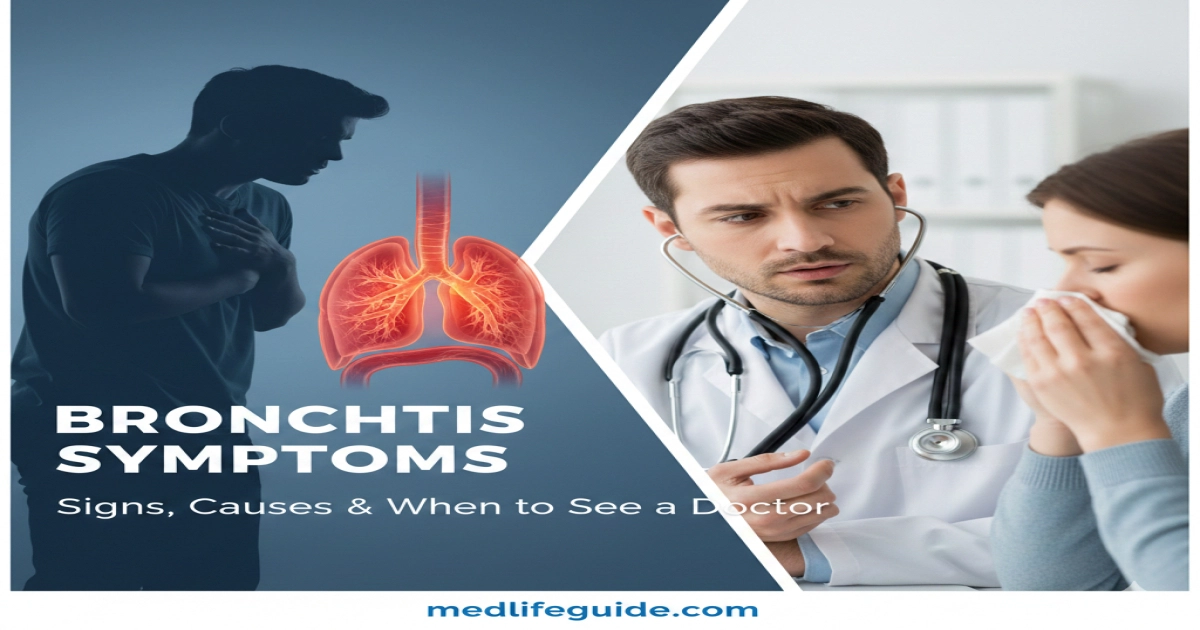
Bronchitis is essentially an inflammation of the lining of your bronchial tubes, which carry air to and from your lungs. The hallmark symptom is a persistent cough that often brings up thickened mucus. You may also feel short of breath, experience a slight fever, or feel a nagging tightness in your chest. Most cases are “acute” (short-term) and follow a cold, while “chronic” bronchitis is a more serious, long-term condition often linked to smoking.
Understanding Bronchitis Symptoms: A Complete Guide
When your chest feels heavy and a cough just won’t quit, your body is likely fighting off bronchitis. It’s one of the most common reasons people visit primary care doctors, yet it’s often confused with a simple cold or more serious pneumonia. Understanding the nuances of these symptoms can help you recover faster and know exactly when it’s time to seek professional help.
1. The Signature Bronchitis Cough
The most dominant symptom is the cough. Unlike the dry, tickling cough of a mild allergy, a bronchitis cough feels deep.
- Productive Cough: Most people produce sputum (phlegm). This mucus can be clear, white, yellowish-grey, or even green. Contrary to popular belief, the color of the mucus doesn’t always mean you have a bacterial infection; it’s often just a sign that your immune system is working.
- Lingering Effects: Even after the initial infection clears, the cough can stick around for three weeks or more as your bronchial tubes heal.
2. Physical Discomfort and Breathing
Because the bronchial tubes are swollen, air has a harder time moving through. This leads to several physical sensations:
- Chest Tightness: You might feel a dull ache or pressure in the center of your chest, especially when taking a deep breath.
- Shortness of Breath: Activities that used to be easy, like climbing a flight of stairs, might leave you winded.
- Wheezing: You may hear a whistling or squeaky sound when you breathe out.
3. Flu-Like Body Symptoms
Since bronchitis is often triggered by a virus (the same ones that cause the flu or the common cold), you will likely experience “whole-body” symptoms:
- Fatigue: You may feel unusually tired or “wiped out.”
- Mild Fever and Chills: Generally, the fever stays low. If it spikes above 101°F, it may indicate pneumonia rather than simple bronchitis.
- Body Aches: Mild soreness in the back and muscles is common during the first few days.
Acute vs. Chronic: Know the Difference
According to the Mayo Clinic, it is vital to distinguish between the two types of this condition.
Acute Bronchitis
This is the “chest cold” version. It usually improves within 7 to 10 days, though the cough may linger. It is almost always caused by a virus, meaning antibiotics won’t help.
Chronic Bronchitis
This is a much more serious condition defined by a productive cough that lasts for at least three months, with recurring bouts occurring for at least two consecutive years. It is a type of Chronic Obstructive Pulmonary Disease (COPD) and requires long-term medical management.
When to Call Your Doctor
Most healthy people can manage acute bronchitis at home with rest and hydration. However, the American Lung Association recommends seeing a healthcare provider if:
- Your cough lasts more than three weeks.
- You are coughing up blood.
- You have a fever higher than 101°F.
- You have underlying heart or lung problems (like asthma).
- You experience unexplained weight loss or severe night sweats.
How to Find Care Fast
If you are struggling to breathe or need a formal diagnosis, you can use the Zocdoc Physician Finder to book an appointment with a primary care doctor or pulmonologist. For immediate, non-emergency evaluation, many people utilize Teladoc Health for a virtual consultation from home.
Summary Checklist of Symptoms
- Persistent cough (with or without mucus)
- Fatigue and general tiredness
- Shortness of breath during exertion
- Slight fever and chills
- Chest discomfort or pressure
- Wheezing or whistling sounds while breathing