
Advanced Breast Cancer Treatment

Advanced breast cancer refers to cancer that has spread beyond the breast and regional lymph nodes to distant organs or cannot be cured with standard local therapies alone. Often termed metastatic breast cancer (MBC), systemic cancer treatments are the cornerstone of therapy, with the dual goals of prolonging survival and maintaining quality of life. According … Read more
How Colorectal Cancer Causes Death

Colorectal cancer is a leading cause of cancer-related death worldwide. Death usually does not occur from the primary tumor alone. It happens due to advanced disease, spread to vital organs, severe complications, or delayed diagnosis. Understanding how colorectal cancer causes death helps patients, caregivers, and clinicians focus on early detection, proper treatment, and risk reduction. … Read more
Appendix Cancer Symptoms You Should Not Ignore
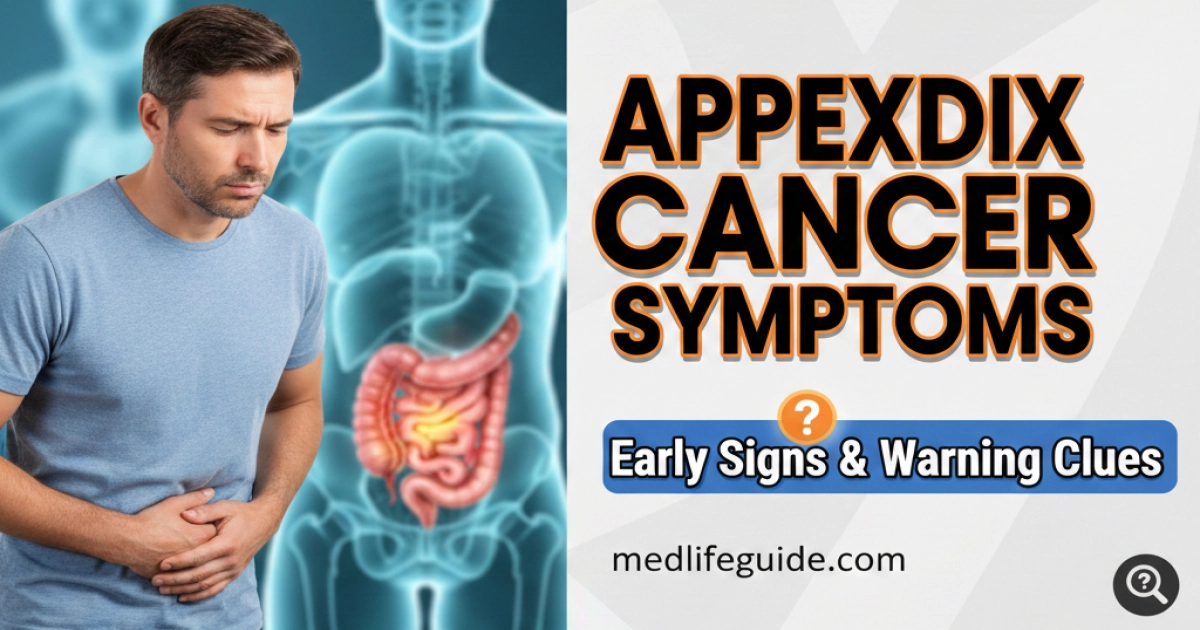
Appendix cancer is a rare malignancy that begins in the appendix, a small pouch connected to the large intestine. Because the appendix has no essential digestive role, tumors can grow silently for long periods. Symptoms are often vague, overlap with common abdominal conditions, or appear only after the disease has advanced. Understanding appendix cancer symptoms … Read more
Pancreas Cancer Symptoms

Medically Reviewed and Compiled by Dr. [Adam N. Khan], MD. Pancreas cancer, medically referred to as pancreatic cancer, is among the most aggressive and diagnostically challenging malignancies. Symptoms are often subtle, nonspecific, or absent in early stages, leading to delayed diagnosis and poor prognosis. Understanding pancreas cancer symptoms in detail—particularly early, atypical, and progressive signs—is … Read more
Bladder Cancer Symptoms You Should Never Ignore

Bladder cancer symptoms often begin subtly and are frequently mistaken for common urinary problems. Early recognition is critical because outcomes are significantly better when bladder cancer is diagnosed at an early stage. This article provides a comprehensive, clinically accurate, and patient-centered overview of bladder cancer symptoms, including early signs, advanced manifestations, and less obvious indicators … Read more
Myeloma Cancer Symptoms Explained Clearly
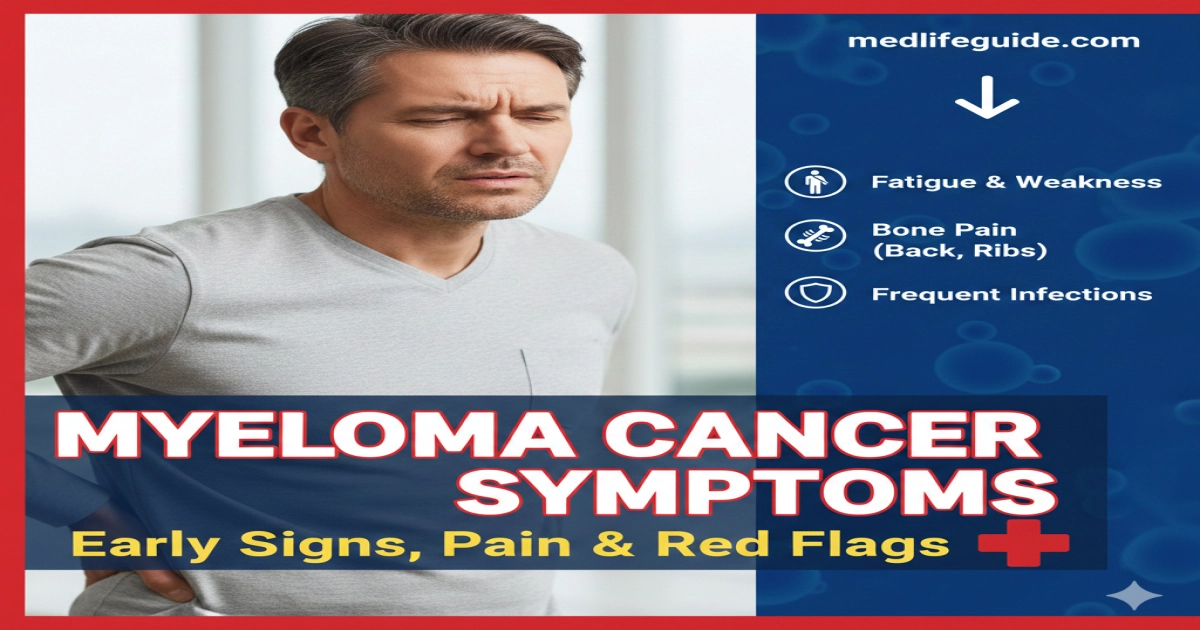
Myeloma cancer symptoms develop from a blood cancer called multiple myeloma, which affects plasma cells in the bone marrow. Plasma cells normally help fight infections. In myeloma, these cells grow out of control and interfere with normal blood cell production, bone health, kidney function, and immune defense. Symptoms often begin slowly and may be mistaken … Read more
What Are the 7 Symptoms of Cancer You Should Know
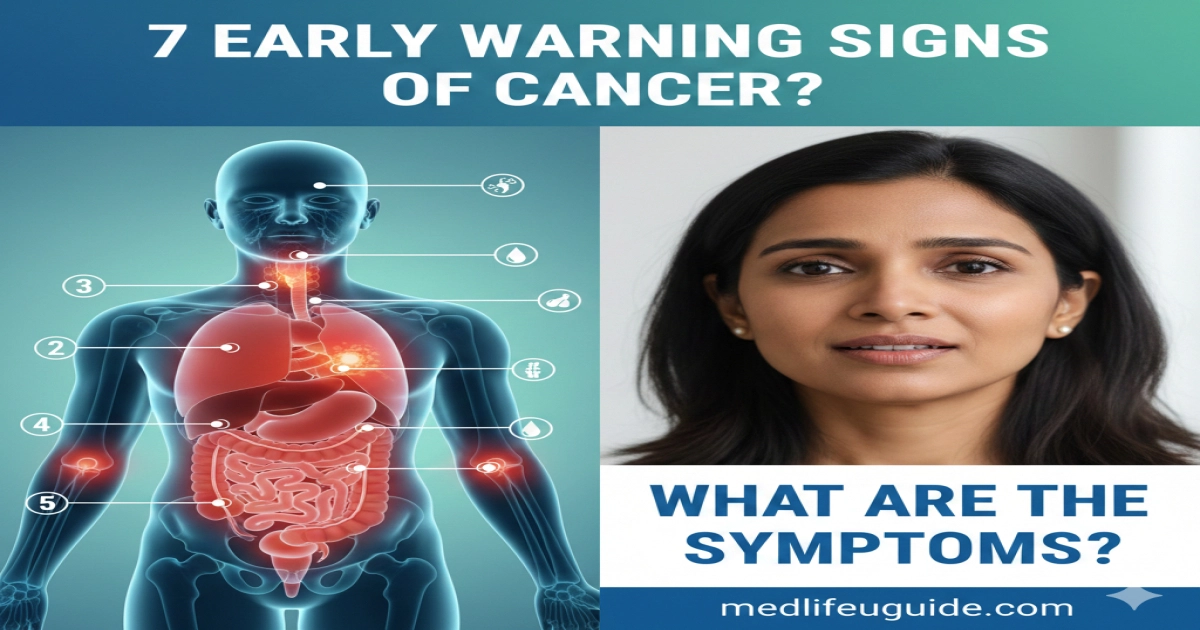
Cancer is not a single disease but a group of more than 100 conditions that share one defining feature: uncontrolled growth of abnormal cells. While symptoms vary by cancer type, location, and stage, medical organizations commonly group early warning signs into seven core symptom categories. Recognizing these symptoms early can significantly improve outcomes by prompting … Read more
Why Is Cancer Bad? Understanding the Real Dangers

Cancer is bad because it disrupts normal cell function, damages vital organs, weakens the immune system, and can ultimately lead to death if not controlled. Unlike temporary illnesses, cancer grows uncontrollably, spreads to other parts of the body, and interferes with essential biological processes such as oxygen delivery, hormone balance, digestion, and immunity. Its effects … Read more
What Level of Eosinophils Indicate Cancer

Short Answer There is no specific eosinophil count that definitively indicates cancer. However, research shows that an absolute eosinophil count (AEC) above approximately 500 cells/µL is considered elevated (eosinophilia), and counts above 1,500 cells/µL (hypereosinophilia) warrant more urgent evaluation. Cancer may be considered when eosinophilia is significant, unexplained by other causes (allergies, parasites, medications), persistent, … Read more
Colorectal Cancer Risk: The Role of Alcohol Consumption
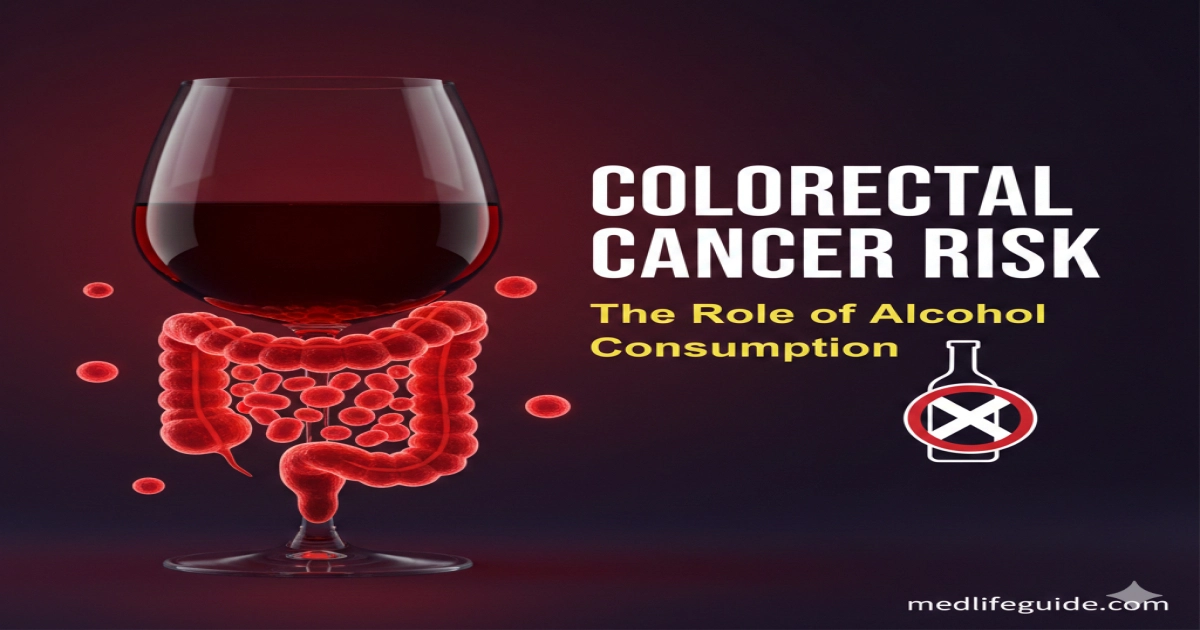
Alcohol consumption is a proven, dose-dependent risk factor for colorectal cancer. Even moderate drinking increases colorectal cancer risk through inflammation, DNA damage, and gut microbiome disruption. Reducing alcohol intake lowers long-term risk. Introduction: Why Colorectal Cancer Risk Matters Colorectal cancer is one of the most commonly diagnosed cancers worldwide and a leading cause of cancer-related … Read more
Why Cancer Is So Dangerous: A Medical Deep Dive

Cancer is one of the most dangerous diseases known to modern medicine. It affects millions of people every year and remains a leading cause of death worldwide. What makes cancer especially dangerous is not just one factor, but a combination of biological, clinical, and systemic issues that allow it to grow, spread, and resist treatment. … Read more
Bowel Cancer Screening: Early Detection Saves Lives

Bowel cancer screening looks for early signs of colorectal cancer before symptoms appear. Screening can prevent cancer by finding and removing precancerous polyps. Multiple test options exist, and the right choice depends on age, risk factors, and access to care. What Is Bowel Cancer Screening? Bowel cancer screening, also called colorectal cancer screening, refers to … Read more
Unlocking Colorectal Cancer: From Risks to Recovery
Colorectal cancer often sneaks up quietly, but awareness can change everything. Imagine a disease that starts in the lining of your colon or rectum, potentially spreading if ignored, yet one that’s highly treatable when caught early. As someone who’s spent years delving into health research and speaking with survivors, I’ve seen how knowledge empowers people … Read more