Critical Differences between CRRT and Dialysis

Differences between CRRT and Dialysis

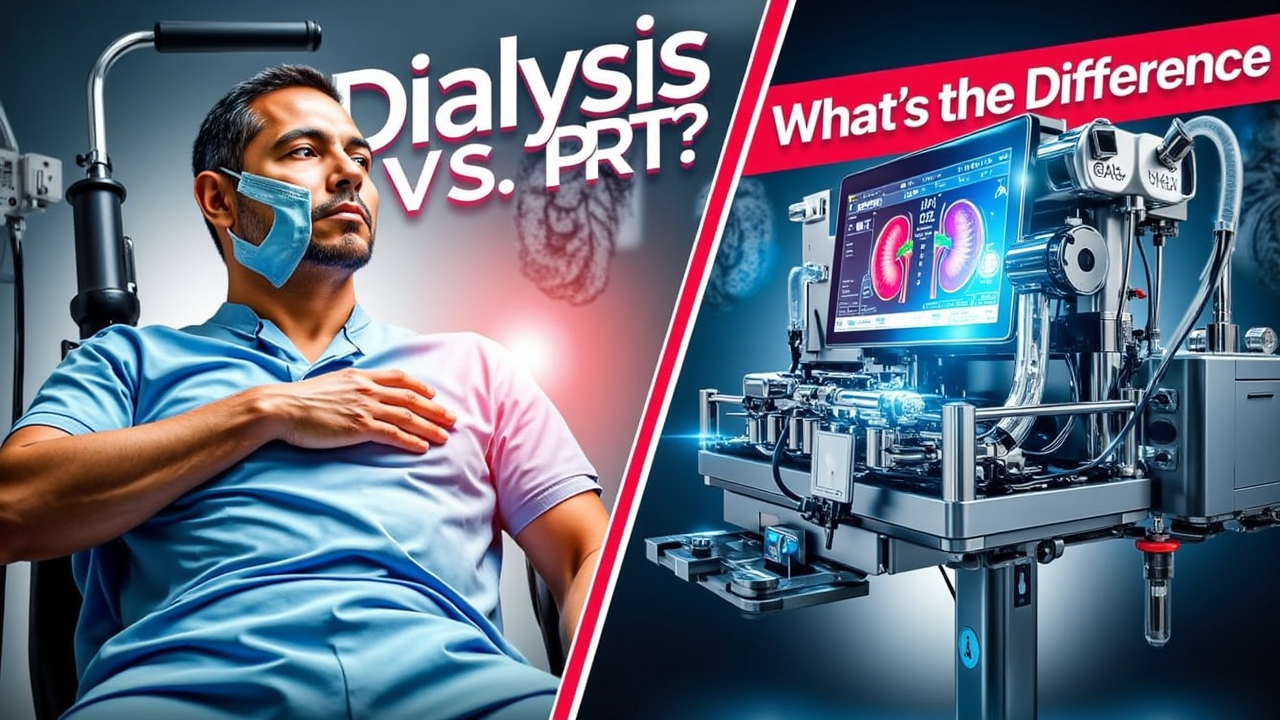
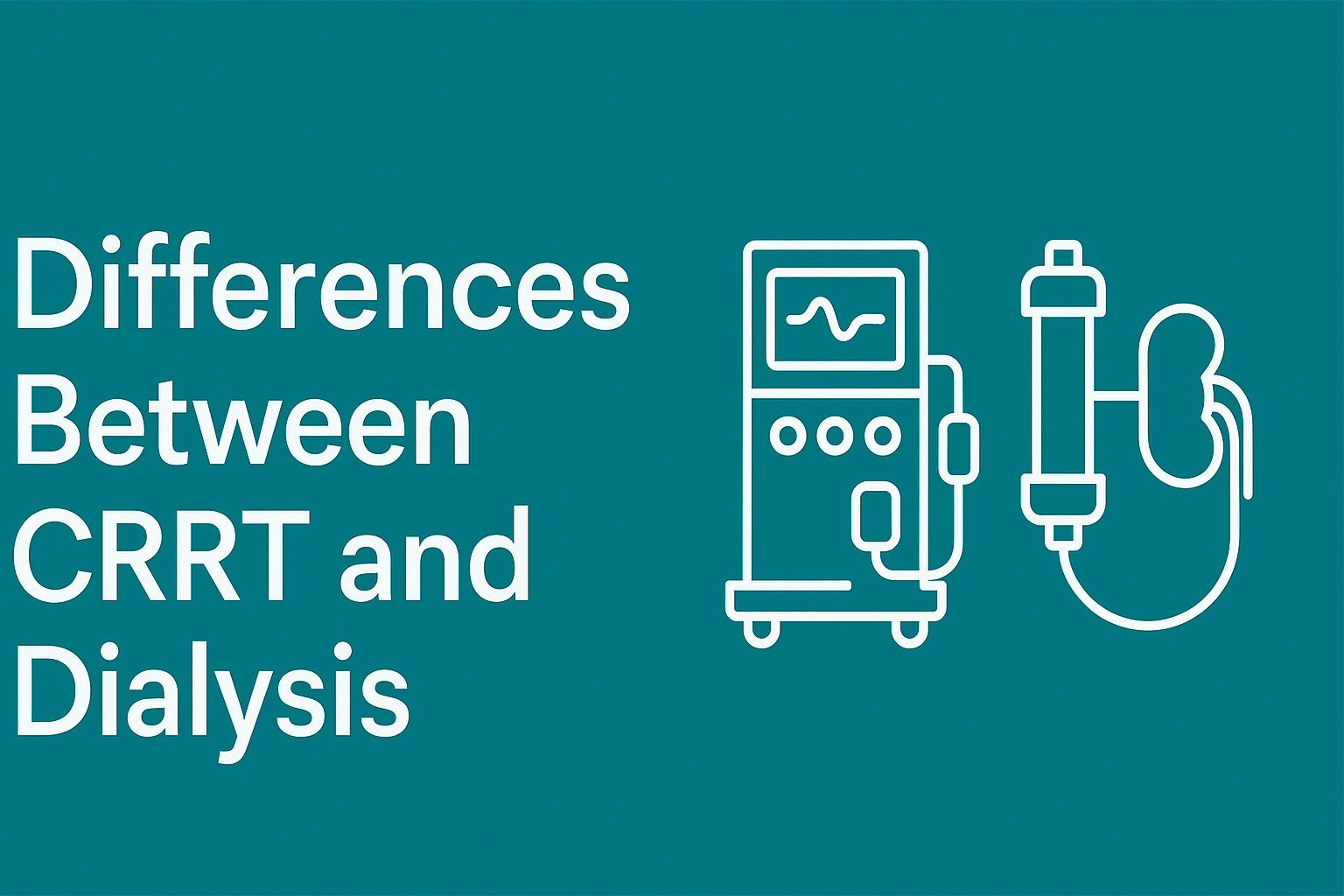
Medically Reviewed and Compiled by Dr. Adam N. Khan, MD. The main difference between Continuous Renal Replacement Therapy (CRRT) and standard Hemodialysis (HD) is speed and duration. Dialysis is a fast treatment, usually lasting 3 to 4 hours, designed to clean the blood quickly for stable patients. CRRT is a slow, gentle, 24-hour-a-day process used … Read more

End Stage Renal Disease (ESRD)

End-Stage Renal Disease

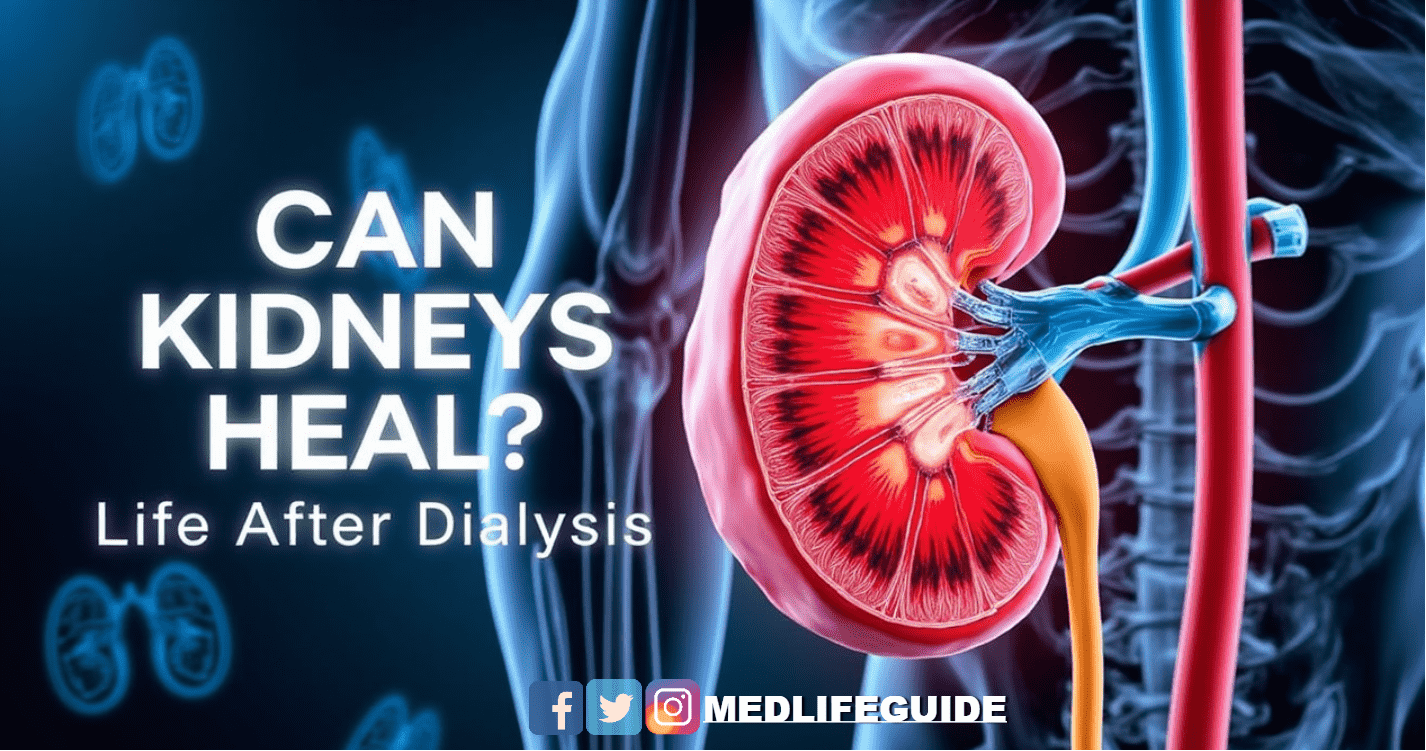
Introduction to End Stage Renal Disease (ESRD) End-stage renal disease (ESRD), also known as kidney failure, marks the final stage of chronic kidney disease (CKD), where kidneys lose their ability to filter waste and fluids from the blood. Over 800,000 people in the U.S. live with ESRD, relying on dialysis or transplants to survive. This … Read more

Acute Renal Replacement Therapy

medical professional setting up a renal replacement machine

Introduction to Acute Renal Replacement Therapy Acute Renal Replacement Therapy (ARRT) is a life-saving treatment for patients with severe kidney problems. This therapy helps to filter and clean the blood when the kidneys are not functioning properly. Understanding ARRT is crucial for patients, families, and healthcare providers. This article will explain what ARRT is, how … Read more

Understanding Hypercholesterolemia: What It Is, Why It Happens, and How to Manage It

Hypercholesterolemia

High cholesterol, or hypercholesterolemia, is a common health issue that affects millions of people around the world. It happens when there’s too much cholesterol in your blood, especially the “bad” kind called LDL. This buildup can quietly damage your arteries over time and raise the risk of serious problems like heart attacks and strokes. The … Read more

Understanding Rectal Cancer Causes and How to Reduce Risk

Rectal Cancer Causes Key Risks & Prevention Tips

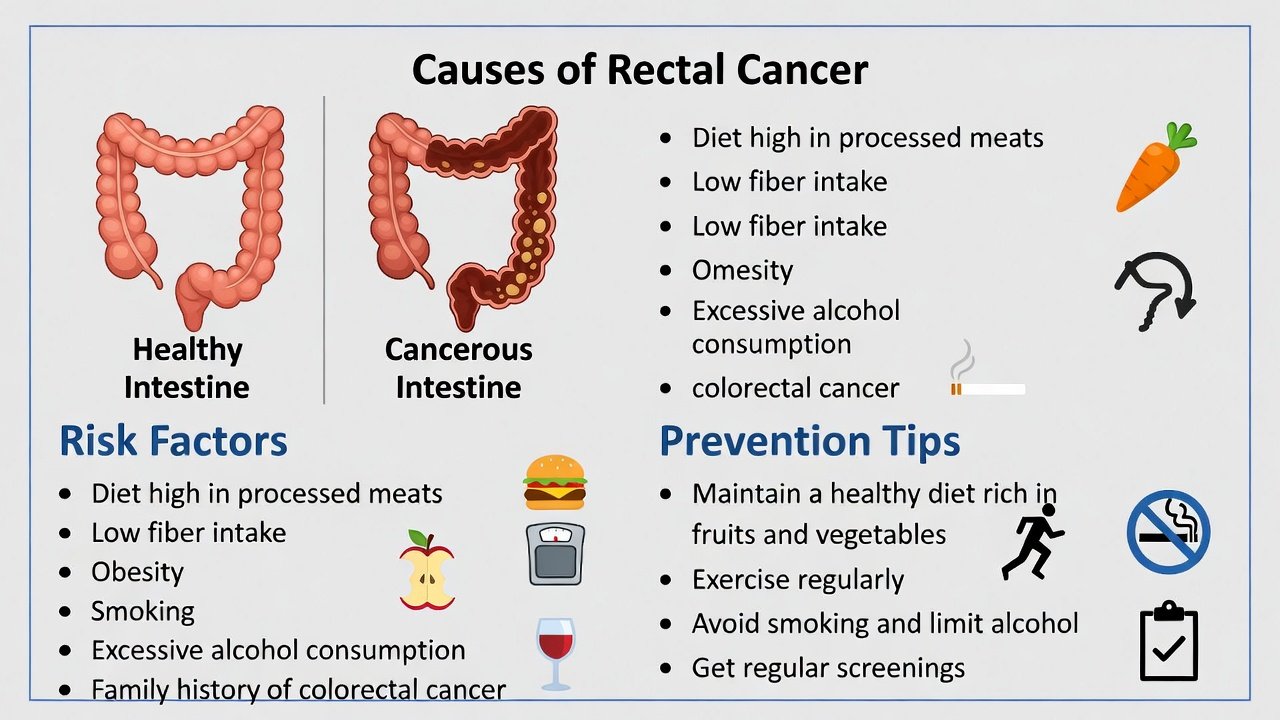
Rectal cancer is a serious disease that starts in the cells lining the rectum, the last part of the large intestine. Doctors often group it with colon cancer as colorectal cancer because they share many causes and risk factors. The exact reason it happens isn’t always clear, but it often begins when normal cells pick … Read more

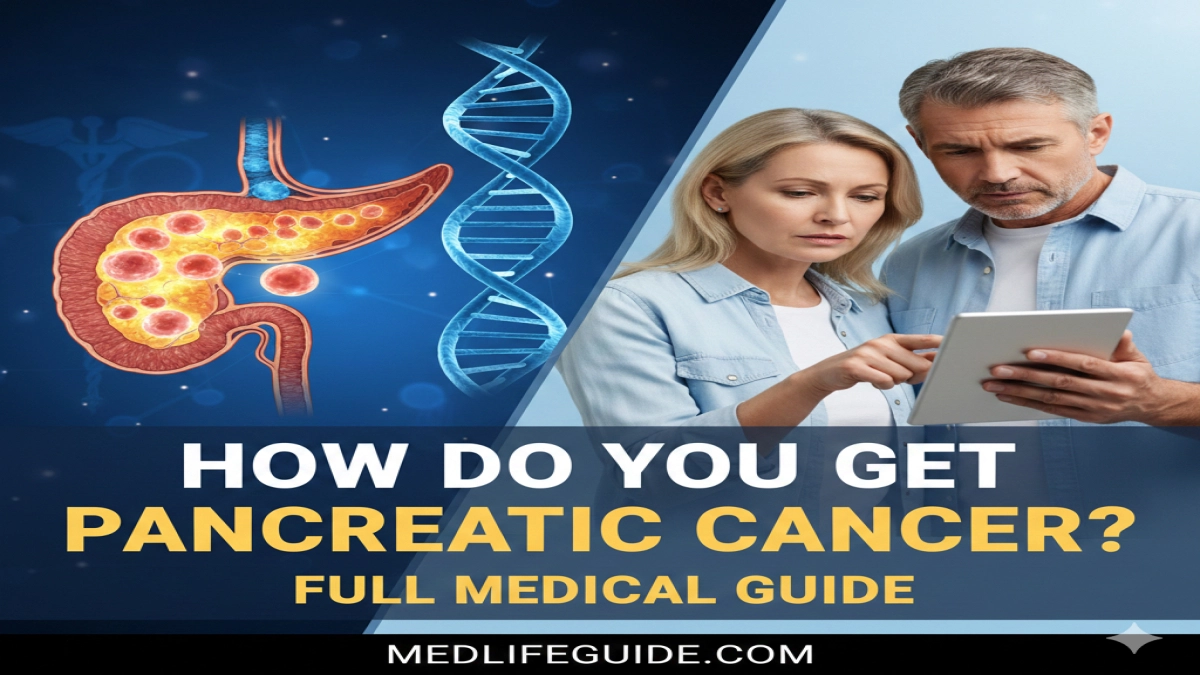
How Do You Get Pancreatic Cancer Explained Clearly

Visual of "How Do You Get Pancreatic Cancer?" from MedLifeGuide, highlighting information on the disease's origins and risks.

Medically Reviewed and Compiled by Dr. Adam N. Khan, MD. Pancreatic cancer develops when cells in the pancreas grow out of control and form a tumor. Most people never notice early changes because the pancreas sits deep inside the abdomen, so symptoms often appear only after the disease has advanced. Understanding how pancreatic cancer begins, … Read more

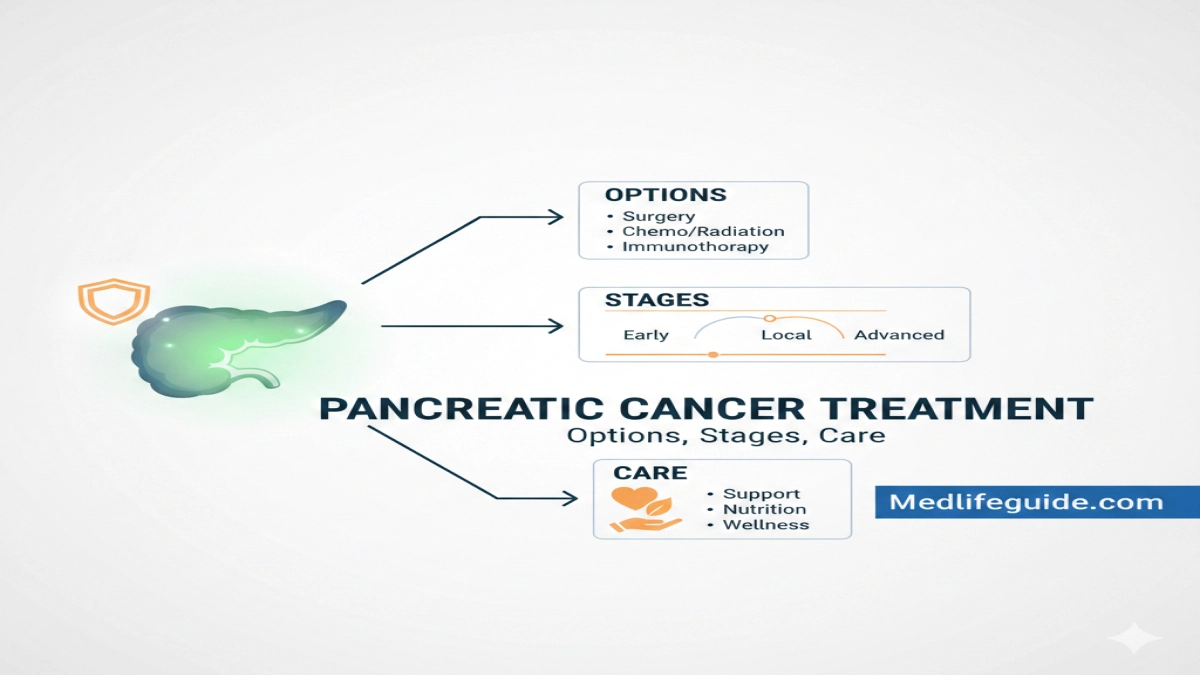
Pancreatic Cancer Treatment: 2026’s New Hope

Pancreatic Cancer Treatment Options by medlifeguide

Medically Reviewed and Compiled by Dr. Adam N. Khan, MD. Pancreatic cancer treatment involves a mix of surgery, chemotherapy, and new precision medicines tailored to your unique genetic markers. Because this cancer is often caught in later stages, doctors today use a “multimodal” approach. This means they combine different therapies to attack the tumor from … Read more

Pancreatic Cancer Prognosis: Latest Survival Rates for 2026

Pancreatic Cancer Prognosis guide by medlifeguide

Medically Reviewed and Compiled by Dr. Adam N. Khan, MD. Pancreatic cancer prognosis depends on the stage at diagnosis, with the overall five-year survival rate reaching 13% in 2026. Early detection through localized surgery offers the best outlook, while new targeted therapies and clinical trials are significantly extending life expectancy for advanced cases. Understanding Pancreatic … Read more

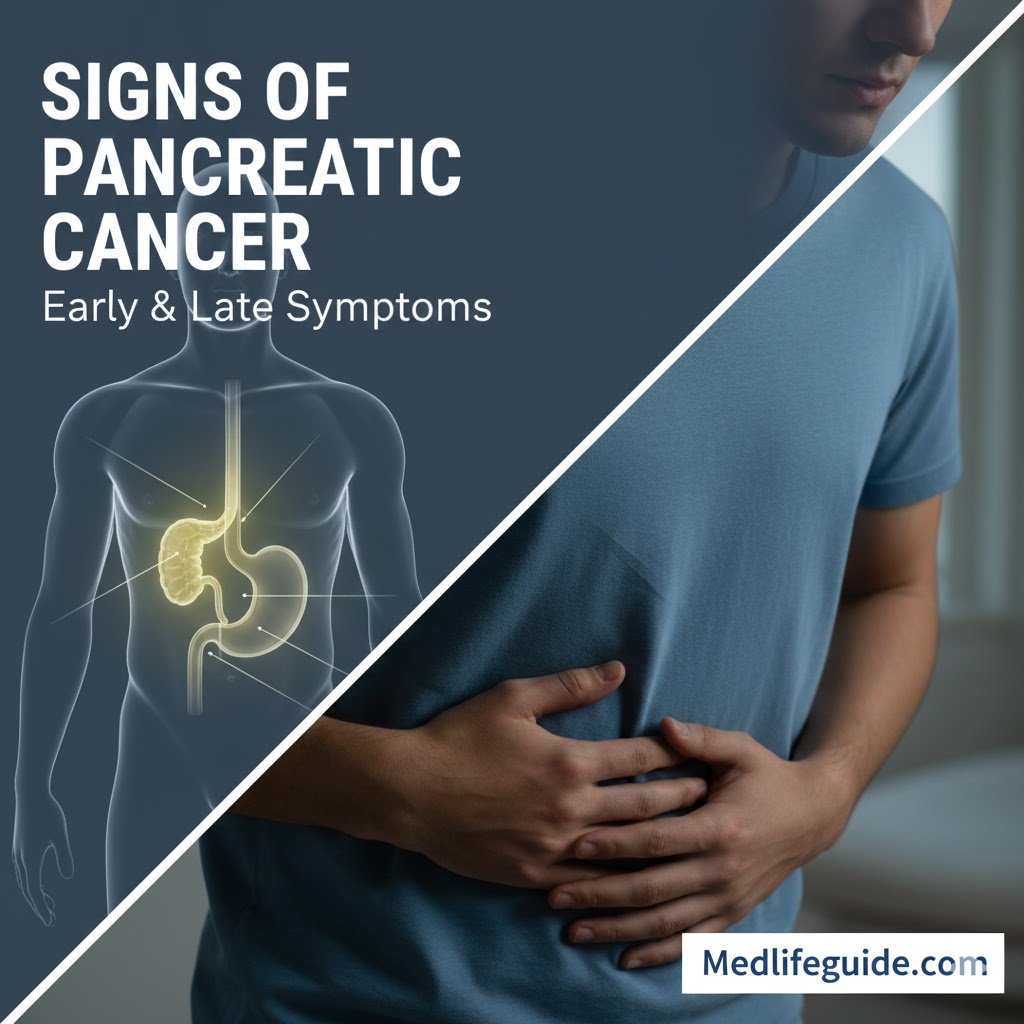
Signs of Pancreatic Cancer You Should Never Ignore

Signs of Pancreatic Cancer

Medically Reviewed and Compiled by Dr. Adam N. Khan, MD. Understanding the Silent Signals of the Pancreas Pancreatic cancer is often called a “silent” disease. This is because it usually does not cause many obvious symptoms in the very beginning. The pancreas is tucked deep inside your belly, behind your stomach. Because of where it … Read more