
Medically Reviewed and Compiled by Dr. Adam N. Khan, MD.
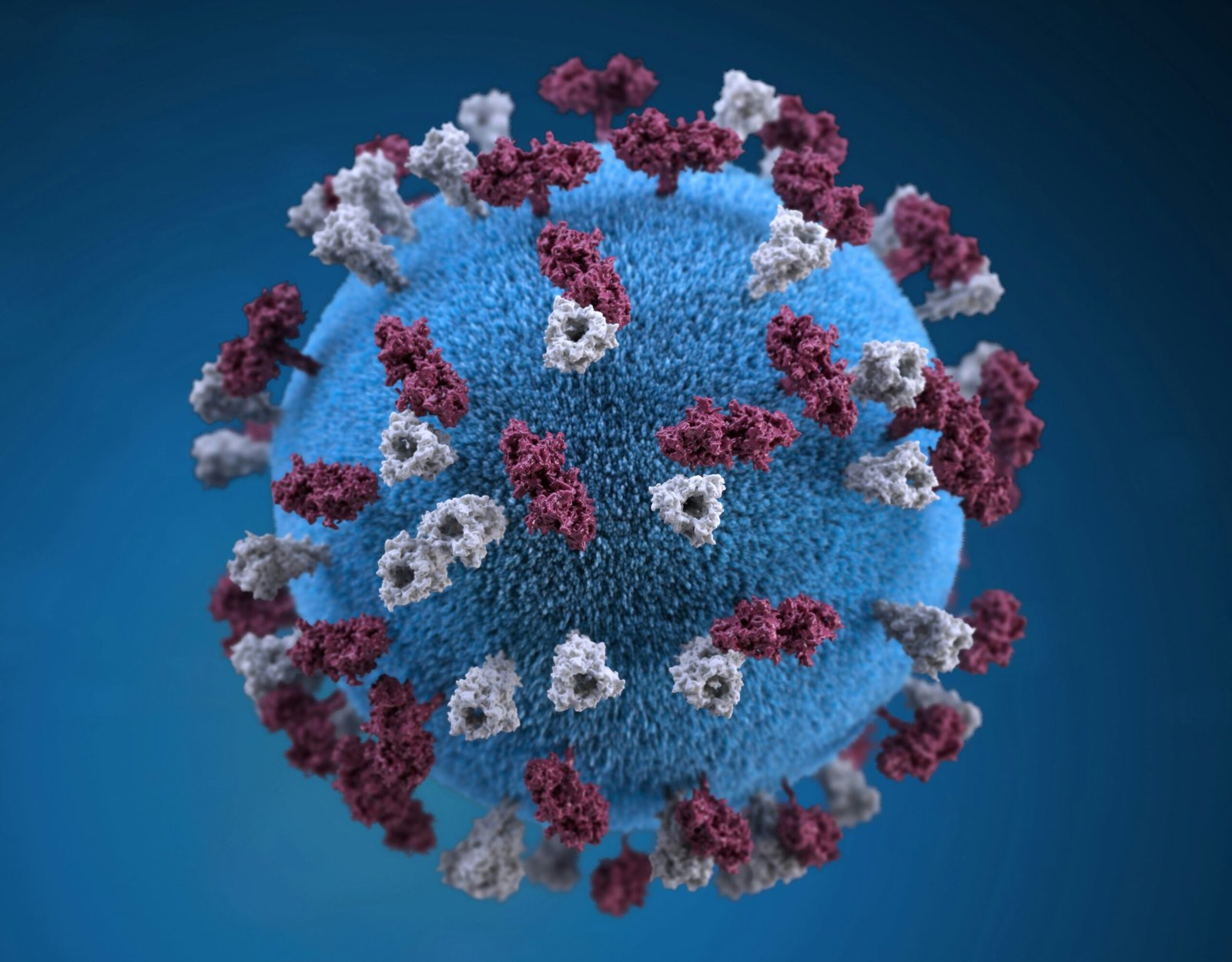
Measles (rubeola) is a highly contagious viral illness caused by the measles virus. Despite widespread vaccination, outbreaks continue to occur, particularly in populations with low vaccine coverage. There is no specific antiviral cure for measles; treatment aims to support the body’s response
Medically Reviewed and Compiled by Dr. Adam N. Khan, MD.
Measles (rubeola) is a highly contagious viral illness caused by the measles virus. Despite widespread vaccination, outbreaks continue to occur, particularly in populations with low vaccine coverage. There is no specific antiviral cure for measles; treatment aims to support the body’s response, alleviate symptoms, prevent complications, and address risk factors for severe disease.
What Causes Measles and Why Treatment Matters
Measles spreads through respiratory droplets and direct contact with infected individuals. It commonly presents with fever, cough, conjunctivitis, Koplik spots, and a characteristic rash. Complications can include pneumonia, dehydration, ear infections, encephalitis, and blindness, particularly in young children and immunocompromised individuals.
Because measles affects multiple organ systems and suppresses host immunity, treatment focuses on supporting the immune response, maintaining hydration and nutrition, and managing complications as they arise.
Primary Treatment Principles
Supportive Care
- Hydration: Replace fluids lost from fever, diarrhea, or vomiting through oral fluids or intravenous (IV) fluids if dehydration is severe.
- Rest: Adequate rest supports immune function.
- Fever and Pain Control: Acetaminophen or ibuprofen can reduce fever and body aches (avoid aspirin in children due to risk of Reye’s syndrome).
- Symptom Relief: Humidifiers, saline nasal sprays, and managing light sensitivity can help with respiratory and ocular symptoms.
Supportive care remains the cornerstone of measles treatment because no antiviral is approved specifically for this infection.
Vitamin A Supplementation
Vitamin A administration has been shown to:
- Reduce the risk of severe complications, especially in children.
- Lower mortality associated with measles in populations with or without baseline deficiency.
- Prevent eye damage such as keratomalacia and blindness.
Recommended regimen (clinical context may vary):
| Age Group | Dose per Day | Duration |
|---|---|---|
| <6 months | 50,000 IU | 2 days |
| 6–11 months | 100,000 IU | 2 days |
| ≥12 months | 200,000 IU | 2 days |
Vitamin A should be administered under healthcare supervision due to toxicity risk at high doses.
Managing Complications
Secondary Bacterial Infections
Antibiotics may be necessary if bacterial pneumonia, otitis media (ear infection), or other bacterial superinfections develop. These treatments do not target the virus but prevent or treat additional infections.
Respiratory Support
Inflammation from measles can impair oxygenation. Patients with respiratory compromise may need supplemental oxygen or more advanced respiratory support in a hospital setting.
Severe Dehydration
IV fluids and electrolyte management may be needed in cases of poor oral intake or significant fluid losses.
Neurological Complications
Acute encephalitis or other neurological issues require urgent hospital evaluation and intensive medical care.
Post‑Exposure Prophylaxis (PEP)
Although not a treatment for established disease, PEP may prevent measles or lessen severity in high‑risk exposures:
- Measles vaccine: If given within 72 hours of exposure in non‑immune persons, may prevent or lessen disease.
- Immunoglobulin (IG): For infants <12 months, pregnant women without immunity, or immunocompromised contacts, IG within six days can modify disease course.
PEP is a clinical strategy used in outbreaks and high‑risk exposures to protect susceptible individuals.
Prevention: The Best “Treatment” Strategy
The most effective way to reduce measles incidence and reduce the need for clinical treatment is vaccination.
- A two‑dose MMR vaccine regimen provides about 97% protection against measles.
- Vaccination reduces viral transmission, severe disease, and outbreaks in communities.
Without vaccination, the viral infection follows its full course, leading to high morbidity in unprotected populations.

Unique Clinical Takeaways
1. Nutritional Status as a Modifier of Disease Severity
Children with marginal nutrition, especially low baseline vitamin A levels, have a higher risk of severe complications (like pneumonia and eye damage) compared to well‑nourished peers. Vitamin A affects mucosal integrity and immune response, making its timely administration critical in endemic regions and during outbreaks.
2. Tailored Use of Post‑Exposure Interventions
Not all exposures require the same response:
- Healthy, immunized individuals often do not need PEP.
- Infants too young to be vaccinated may receive immunoglobulin to reduce disease severity.
- Adults with compromised immunity or pregnant women face higher complication risks and can benefit from early IG intervention.
This nuanced approach improves outcomes and conserves clinical resources in outbreak settings.
3. Isolation and Infection Control in Clinical Settings
Because measles spreads via airborne transmission, strict airborne precautions (e.g., N‑95 respirators, single‑patient airborne infection isolation rooms) are essential in healthcare facilities to prevent nosocomial spread. Such measures protect other patients and health personnel, especially those without immunity.
When to Seek Advanced Medical Care
Seek urgent evaluation or hospital care if measles is accompanied by:
- Difficulty breathing or rapid respiratory rate.
- Signs of severe dehydration (e.g., lethargy, reduced urination).
- Signs of neurological involvement (confusion, seizures).
- High‑risk patient status (infants, immunocompromised, pregnancy).
Hospital care can provide IV therapies, respiratory support, and advanced monitoring.
Summary
Best treatment for measles:
- There is no antiviral cure for measles.
- Supportive care is the foundation of management.
- Vitamin A supplementation reduces complications and mortality, especially in children.
- Management of complications (antibiotics for bacterial infections, respiratory support) is critical.
- Vaccination remains the most effective preventive strategy.
References and Citations
- World Health Organization (Measles Treatment Overview)
- Mayo Clinic (Measles Diagnosis & Treatment)
- CDC Clinical Overview (Patient Management, Vitamin A)
- CDC Post‑Exposure Prophylaxis with Immunoglobulin
- AMA Measles Resources (Treatment Supportive Measures)
Standard Medical Disclaimer
This article provides general medical information and is not a substitute for professional medical advice, diagnosis, or treatment. Consult a qualified healthcare provider for individualized guidance.