
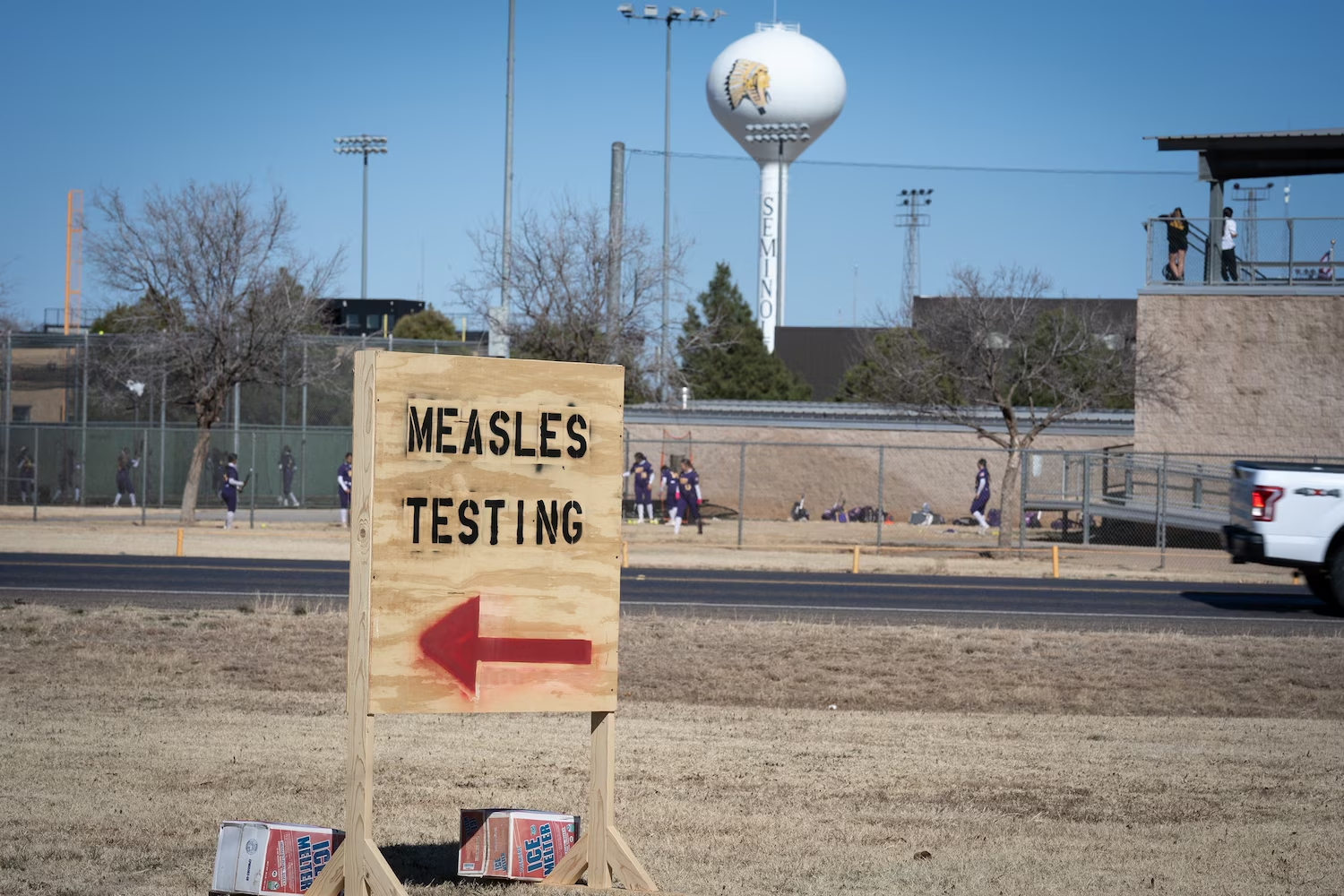
Fresh numbers from the CDC show 171 people in the U.S. caught measles already this year. That count came straight from recently revised reports.
Fewer than ten states now report cases – Arizona showed up first, then others followed. Florida popped up next, after that Georgia joined in. North Carolina appeared soon afterward, while Ohio turned u
Fresh numbers from the CDC show 171 people in the U.S. caught measles already this year. That count came straight from recently revised reports.
Fewer than ten states now report cases – Arizona showed up first, then others followed. Florida popped up next, after that Georgia joined in. North Carolina appeared soon afterward, while Ohio turned up around the same time. Oregon came into view later, South Carolina emerged not long after. Utah surfaced more recently, Virginia was close behind. One by one, each state added its name to the list.
A measles outbreak hit South Carolina around early October, affecting mostly Spartanburg County – right next to North Carolina. One state dealing with it is that one down south.
Related: Virginias Second Measles Case of the Year Reported in Northern Virginia
Measles is a highly contagious respiratory virus. It originated from a cattle disease (rinderpest) thousands of years ago and is characterized by a high fever, the “three C’s” (cough, coryza, conjunctivitis), and a signature full-body rash.
Where did it come from?
Believe it or not, measles wasn’t always a “human” thing. It’s a classic case of a spillover event.
- The Cattle Connection: Scientists believe the virus evolved from rinderpest, a now-eradicated virus that used to devastate cattle.
- The Timeline: While we used to think it jumped to humans in the 9th or 10th century, newer genetic research suggests it may have diverged as early as 6th Century BCE.
- The “City” Requirement: The virus needs a large, dense population to survive because it’s so “fast”—it either kills the host or the host becomes immune, so it constantly needs new people to jump to. It really took off when ancient cities grew big enough to sustain it.
What are the symptoms of measles?
The tricky part is that it doesn’t start with a rash. It looks like a nasty cold for the first few days.
- The Early Stage (Days 1–4):
- High Fever: We’re talking really high
- The “Three C’s”: Cough, Coryza (runny nose), and Conjunctivitis (red, watery eyes).
- Koplik Spots: Tiny white spots (they look like grains of salt) that pop up inside the mouth a couple of days before the rash.
- The Rash Stage (Days 3–5 of symptoms):
- The Breakout: A flat, red, blotchy rash starts at the hairline or behind the ears and works its way down the body like a “slow pour” of paint, eventually reaching the hands and feet.
- The Peak: The fever usually peaks right when the rash appears.
How to manage it (The Basics)
Since it’s a virus, antibiotics won’t touch it. It’s mostly about “riding it out” while keeping an eye on complications.
- Hydrate: Drink plenty of fluids to avoid dehydration.
- Rest: Let the body focus on fighting the virus.
- Fever Relief: Use acetaminophen or ibuprofen (never give aspirin to kids with viruses due to Reye’s syndrome risk).
- Isolation: Stay away from others! You are contagious from 4 days before the rash appears until 4 days after.