
Medically Reviewed and Compiled by Dr. [Adam N. Khan], MD.
Adenovirus is a common yet clinically significant viral pathogen responsible for a wide spectrum of illnesses ranging from mild respiratory infections to severe, life-threatening complications in vulnerable populations. Despite its prevalence, adenovirus is often under-recognized because it
Medically Reviewed and Compiled by Dr. [Adam N. Khan], MD.
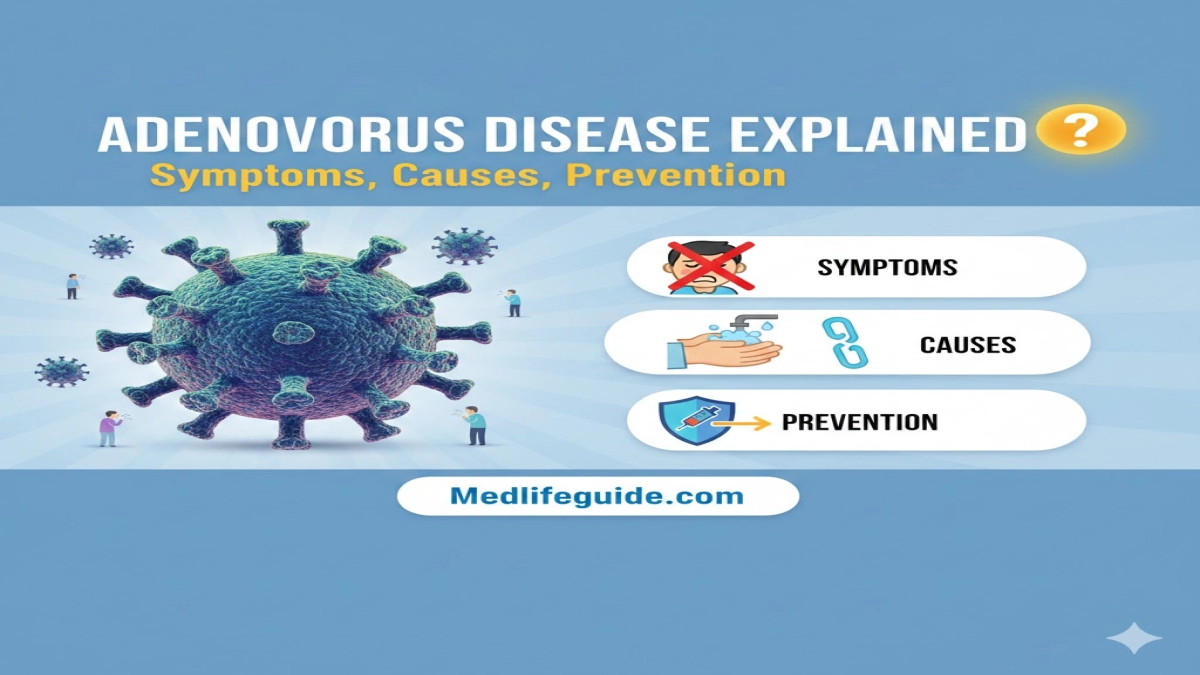
Adenovirus is a common yet clinically significant viral pathogen responsible for a wide spectrum of illnesses ranging from mild respiratory infections to severe, life-threatening complications in vulnerable populations. Despite its prevalence, adenovirus is often under-recognized because its symptoms closely resemble those of influenza, COVID-19, or bacterial infections. Understanding adenovirus symptoms, causes, and preventions is essential for early identification, appropriate management, and public health control.
This article provides a comprehensive, evidence-based analysis of adenovirus infection, integrating clinical medicine, epidemiology, and patient-centered insights to support accurate diagnosis and prevention.
What Is Adenovirus?
Adenoviruses are non-enveloped, double-stranded DNA viruses belonging to the Adenoviridae family. More than 50 human adenovirus serotypes have been identified, each associated with different clinical syndromes. These viruses are highly stable in the environment and resistant to many common disinfectants, contributing to their efficient transmission.
Adenovirus infections occur worldwide and affect individuals of all ages, with the highest incidence in children under five years of age.
Adenovirus Symptoms
Adenovirus symptoms vary depending on the viral serotype, site of infection, host immunity, and underlying health conditions. Symptoms may appear within 2 to 14 days after exposure.
Respiratory Symptoms
Respiratory tract involvement is the most common presentation.
- Fever, often high-grade
- Sore throat
- Runny or congested nose
- Persistent cough
- Hoarseness
- Shortness of breath in severe cases
Adenovirus is a recognized cause of acute bronchitis, bronchiolitis, and viral pneumonia, particularly in infants and immunocompromised patients.
Eye-Related Symptoms (Adenoviral Conjunctivitis)
Certain serotypes cause epidemic keratoconjunctivitis.
- Red, painful eyes
- Excessive tearing
- Sensitivity to light
- Blurred vision
- Gritty sensation in the eyes
These eye infections are highly contagious and frequently associated with outbreaks in schools and healthcare facilities.
Gastrointestinal Symptoms
Enteric adenoviruses commonly affect young children.
- Watery diarrhea
- Vomiting
- Abdominal cramps
- Loss of appetite
- Dehydration in severe cases
Urinary Tract Symptoms
Adenovirus can cause hemorrhagic cystitis, particularly in children.
- Painful urination
- Blood in urine
- Frequent urge to urinate
Systemic and Severe Symptoms
In rare cases, adenovirus may cause disseminated disease.
- Severe pneumonia
- Hepatitis
- Encephalitis
- Multi-organ involvement
These presentations are more common in transplant recipients, patients receiving chemotherapy, and individuals with congenital immune deficiencies.
Causes of Adenovirus Infection
Adenovirus infection occurs when the virus enters the body through mucosal surfaces and begins replicating within epithelial cells.
Primary Causes
- Direct person-to-person contact
- Respiratory droplets from coughing or sneezing
- Fecal–oral transmission
- Contact with contaminated surfaces
- Exposure to inadequately chlorinated swimming pools
Viral Persistence and Shedding
Adenovirus can remain latent in lymphoid tissues and be shed intermittently even after symptoms resolve, contributing to silent transmission.
How Adenovirus Spreads
Understanding transmission is critical for prevention.
- Touching the face after contact with contaminated surfaces
- Sharing personal items such as towels or utensils
- Poor hand hygiene
- Close-contact environments such as daycare centers, military barracks, and dormitories
Adenoviruses can survive for weeks on surfaces, making environmental control essential.
Risk Factors for Severe Adenovirus Infection
Certain populations face increased risk of complications.
High-Risk Groups
- Infants and young children
- Older adults
- Organ transplant recipients
- Patients with HIV/AIDS
- Individuals undergoing chemotherapy
- Patients with chronic lung disease
Diagnosis of Adenovirus
Accurate diagnosis helps prevent unnecessary antibiotic use and reduces transmission.
Diagnostic Methods
- Polymerase chain reaction (PCR) testing
- Viral culture
- Antigen detection tests
- Blood tests in severe systemic disease
PCR testing is the gold standard due to its high sensitivity and specificity.
Treatment Options for Adenovirus
There is no specific antiviral therapy approved for routine adenovirus infections in immunocompetent individuals.
Supportive Care
- Adequate hydration
- Fever management with antipyretics
- Rest
- Oxygen therapy in respiratory compromise
Antiviral Therapy in Severe Cases
In immunocompromised patients, antivirals such as cidofovir may be considered under specialist guidance, though evidence remains limited.
Adenovirus Preventions
Prevention remains the most effective strategy.
Personal Prevention Measures
- Frequent handwashing with soap and water
- Avoid touching eyes, nose, and mouth
- Disinfect high-touch surfaces
- Avoid close contact with infected individuals
Community and Institutional Measures
- Proper chlorination of swimming pools
- Isolation of infected patients in healthcare settings
- Strict hygiene protocols in daycare centers
Vaccination
A live oral adenovirus vaccine exists for serotypes 4 and 7 but is currently restricted to military personnel in select countries and not available to the general public.
Unique Clinical Takeaways
1. Adenovirus Frequently Mimics Bacterial Infections
Adenovirus often presents with high fever, elevated inflammatory markers, and radiographic lung findings that resemble bacterial pneumonia. This leads to frequent misdiagnosis and unnecessary antibiotic prescribing. Clinicians should consider adenovirus in febrile respiratory illness with poor antibiotic response, particularly in pediatric populations.
2. Prolonged Viral Shedding Alters Infection Control Decisions
Unlike influenza, adenovirus can be shed for weeks after symptom resolution, especially in children and immunocompromised patients. This has significant implications for return-to-school policies, hospital isolation duration, and outbreak containment strategies.
3. Immunocompromised Patients Require Preemptive Monitoring
In transplant recipients, adenovirus may reactivate silently and progress rapidly to disseminated disease. Routine viral load monitoring in high-risk patients allows early intervention and improves survival outcomes.
4. Eye Infections Often Outlast Systemic Symptoms
Adenoviral conjunctivitis may persist even after respiratory symptoms resolve, causing prolonged discomfort and vision disturbance. Patient education on eye hygiene and avoidance of contact lens use during infection reduces complications.
Prognosis and Recovery
Most immunocompetent individuals recover completely within 1 to 2 weeks. Fatigue and cough may persist longer. Severe outcomes are rare but carry higher morbidity in high-risk populations.
When to Seek Medical Care
- Difficulty breathing
- Persistent high fever
- Signs of dehydration
- Blood in urine
- Confusion or altered consciousness
Early evaluation is essential for preventing complications.
Medical Disclaimer
This article is intended for informational and educational purposes only and does not constitute medical advice, diagnosis, or treatment. Always consult a qualified healthcare professional for medical concerns, diagnosis, or treatment decisions.