
Medically Reviewed and Compiled by Dr. Adam N. Khan, MD.
Adenoviruses are a group of common but clinically significant viruses responsible for a wide spectrum of illnesses affecting the respiratory tract, eyes, gastrointestinal system, and, less commonly, other organs. Understanding adenovirus causes is essential for accurate diagnosis, infection control
Medically Reviewed and Compiled by Dr. Adam N. Khan, MD.
Adenoviruses are a group of common but clinically significant viruses responsible for a wide spectrum of illnesses affecting the respiratory tract, eyes, gastrointestinal system, and, less commonly, other organs. Understanding adenovirus causes is essential for accurate diagnosis, infection control, and patient education, particularly because these viruses can mimic other viral and bacterial infections and may cause severe disease in vulnerable populations.
What Is Adenovirus?
Adenoviruses are non-enveloped, double-stranded DNA viruses belonging to the Adenoviridae family. More than 50 human adenovirus types have been identified, each associated with different clinical syndromes.
Key Characteristics
- Resistant to many common disinfectants
- Capable of surviving on surfaces for prolonged periods
- Able to infect multiple organ systems
- Spread easily in community and institutional settings
These characteristics directly influence how and why adenoviruses cause infection.
Adenovirus Causes: How Infection Occurs
Primary Cause: Viral Exposure and Entry
The fundamental cause of adenovirus infection is exposure to infectious viral particles followed by entry into susceptible human cells. The virus attaches to epithelial cells using specific cellular receptors, allowing it to enter and replicate.
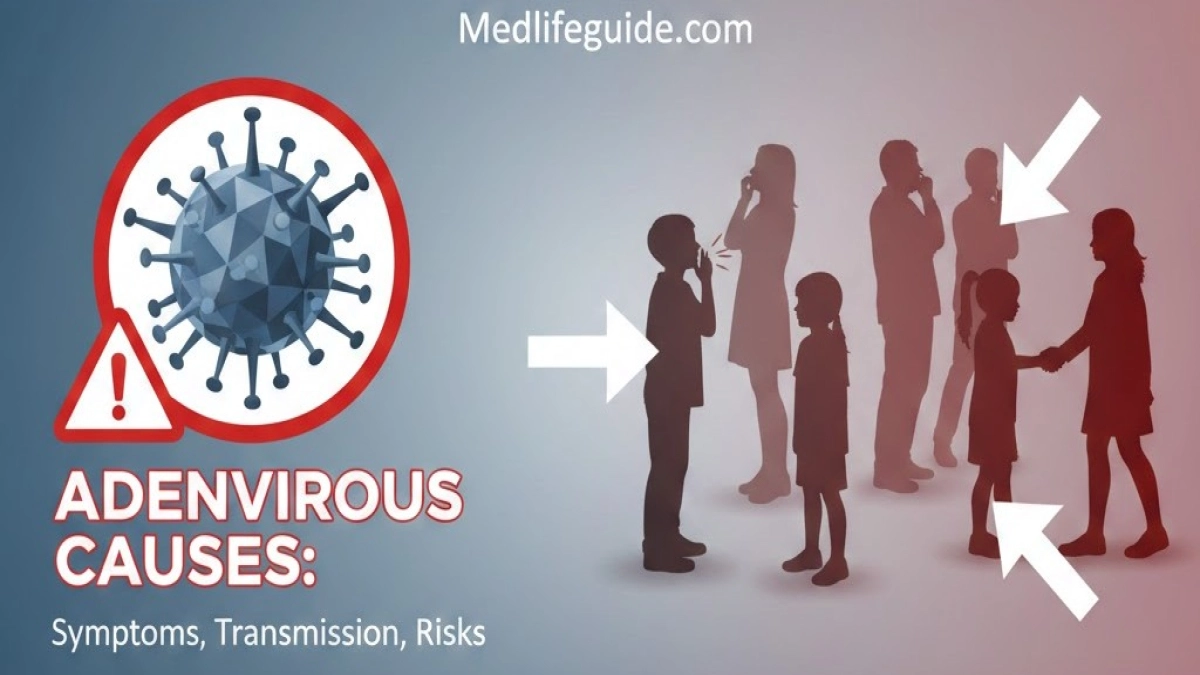
Common Routes of Transmission
1. Respiratory Droplets
Adenoviruses spread through coughing, sneezing, or close personal contact, making respiratory exposure one of the most common adenovirus causes.
2. Fecal–Oral Transmission
Poor hand hygiene after bathroom use can lead to ingestion of viral particles, especially in childcare settings.
3. Contaminated Surfaces
The virus can survive for days to weeks on hard surfaces such as doorknobs, towels, and medical equipment.
4. Waterborne Exposure
Inadequately chlorinated swimming pools have been linked to outbreaks, particularly of adenoviral conjunctivitis.
Types of Infections Caused by Adenovirus
Respiratory Tract Infections
- Common cold–like illness
- Bronchitis
- Pneumonia (more severe in infants, elderly, and immunocompromised patients)
Eye Infections
- Viral conjunctivitis
- Epidemic keratoconjunctivitis (highly contagious)
Gastrointestinal Illness
- Acute gastroenteritis with diarrhea and vomiting
- More common in young children
Urinary Tract Infections
- Hemorrhagic cystitis, particularly in children and transplant recipients
Systemic and Severe Disease
- Disseminated infection in immunocompromised individuals
- Rare involvement of liver, brain, or heart
Who Is Most at Risk?
High-Risk Populations
- Infants and young children
- Older adults
- Military recruits living in close quarters
- Organ transplant recipients
- Patients with HIV/AIDS or receiving chemotherapy
The immune system’s ability to control viral replication is the key determinant of disease severity.
Unique Clinical Takeaways
1. Adenovirus Often Mimics Bacterial Infections
One clinically important aspect of adenovirus causes is its ability to closely resemble bacterial illnesses. High fever, elevated inflammatory markers, and radiographic pneumonia patterns can lead to unnecessary antibiotic use.
Actionable Insight:
In patients with severe respiratory symptoms but negative bacterial cultures, adenovirus testing should be considered to avoid inappropriate antibiotic exposure.
2. Prolonged Viral Shedding Drives Outbreaks
Patients, especially children, may continue shedding adenovirus for weeks after symptoms resolve.
Actionable Insight:
In daycare centers, hospitals, and transplant units, extended isolation precautions may be warranted even after clinical recovery.
3. Immunocompromised Patients Face Organ-Specific Risks
In transplant recipients, adenovirus does not simply cause respiratory illness. It may selectively target transplanted organs or cause disseminated disease.
Actionable Insight:
Routine viral surveillance in high-risk patients allows earlier detection and improves outcomes through timely antiviral or supportive intervention.
4. Eye Infections Are Often Environment-Driven
Adenoviral conjunctivitis outbreaks frequently originate from shared ophthalmology equipment or swimming facilities.
Actionable Insight:
Strict disinfection protocols in eye clinics and proper pool chlorination are essential preventive measures.
Pathophysiology: How Adenovirus Causes Disease
After entering the body, adenovirus:
- Attaches to host epithelial cell receptors
- Penetrates the cell membrane
- Uses host machinery to replicate DNA
- Causes cell lysis and local inflammation
The immune response, rather than viral replication alone, often drives symptom severity.
Diagnosis of Adenovirus Infection
Laboratory Methods
- PCR testing (most sensitive and specific)
- Viral culture (less commonly used)
- Antigen detection (rapid but less sensitive)
Differential Diagnosis
Adenovirus should be distinguished from:
- Influenza
- RSV
- COVID-19
- Bacterial pneumonia
- Enteroviruses
Treatment Approaches
Supportive Care
- Hydration
- Fever control
- Oxygen therapy if needed
Antiviral Therapy
No FDA-approved antiviral exists for routine adenovirus infection. In severe cases, especially in immunocompromised patients, agents such as cidofovir may be used under specialist supervision.
Prevention Strategies
Hygiene Measures
- Frequent handwashing
- Avoiding face touching
- Surface disinfection
Institutional Controls
- Isolation of infected patients
- Equipment sterilization
- Staff education
Vaccination
A live oral adenovirus vaccine exists but is currently limited to military populations and not available for general public use.
Long-Term Outlook
Most adenovirus infections are self-limited. However, severe complications can occur, particularly in high-risk individuals. Early recognition of adenovirus causes and transmission pathways significantly reduces morbidity.
Medical Disclaimer
This content is intended for informational and educational purposes only and does not constitute medical advice. Diagnosis and treatment should always be guided by a qualified healthcare professional based on individual patient circumstances.