
Medically Reviewed and Compiled by Dr. Adam N. Khan, MD.
What is Laser Surgery for Kidney Stones?
If you are dealing with the sharp, stabbing pain of a kidney stone, you want a fast and safe way to get relief. Laser surgery for kidney stones, officially called Holmium laser lithotripsy, is a common procedure where a doctor uses a tiny laser fiber t
Medically Reviewed and Compiled by Dr. Adam N. Khan, MD.
What is Laser Surgery for Kidney Stones?
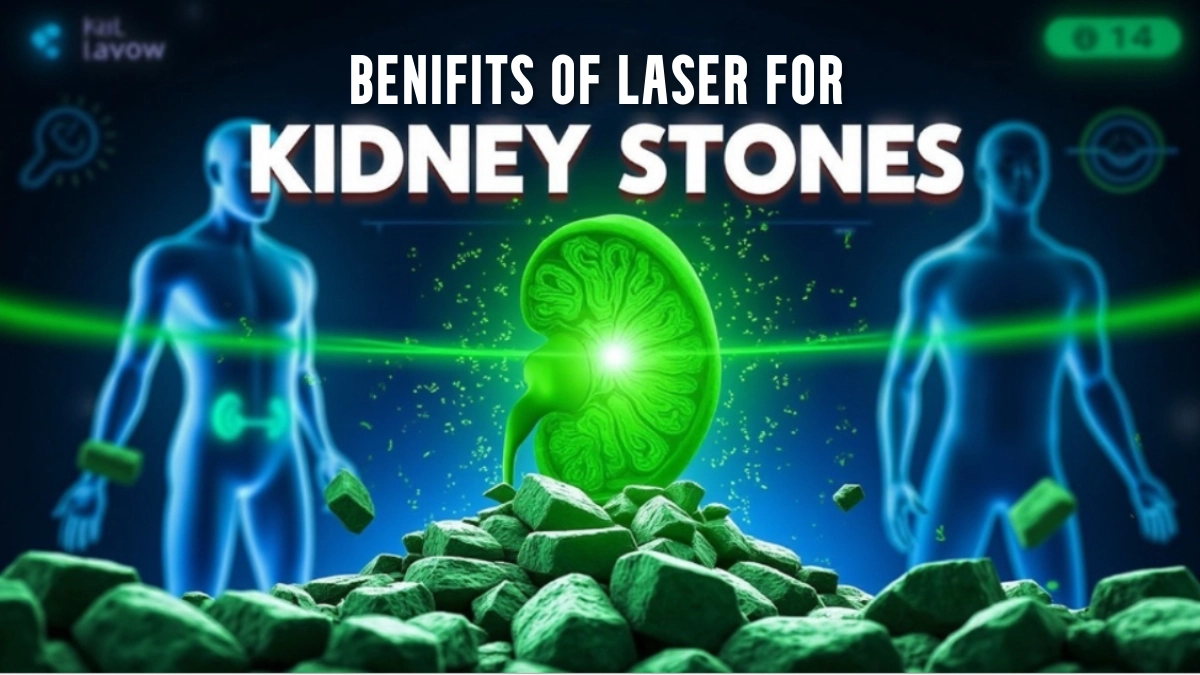
If you are dealing with the sharp, stabbing pain of a kidney stone, you want a fast and safe way to get relief. Laser surgery for kidney stones, officially called Holmium laser lithotripsy, is a common procedure where a doctor uses a tiny laser fiber to break stones into “dust” or small pieces. Unlike old-school surgeries, this method is minimally invasive, meaning there are no large cuts on your body. Most patients go home the same day and feel much better within a week.
Why Laser Surgery is the Top Choice in 2026
In the past, getting rid of a large kidney stone meant a long hospital stay or using “shock waves” that didn’t always work. Today, laser technology has become the gold standard. Doctors love it because it is precise. It doesn’t matter if the stone is hard or soft; the laser can handle it.
Patients prefer it because it has a high success rate. Instead of hoping a stone passes on its own, the laser ensures the stone is broken down immediately. This reduces the chance of you having to come back for a second surgery.
Types of Laser Procedures for Stones
Not every surgery is the same. Depending on where your stone is hiding, your doctor will choose one of these two main paths:
1. Ureteroscopy (URS)
This is the most common method. The doctor passes a thin, flexible tool called a ureteroscope through the bladder and up into the kidney. Once they see the stone, they fire the laser to break it up. This is best for stones located in the ureter (the tube connecting the kidney to the bladder).
2. Percutaneous Nephrolithotomy (PCNL)
For very large stones (bigger than 2 centimeters), a tiny incision is made in your back. The laser is then used to break the stone directly inside the kidney. This is more “heavy duty” but still much easier to recover from than open surgery.
What Happens During the Procedure?
Understanding the steps can help calm your nerves. Here is a simple breakdown of what to expect on surgery day:
- Going to Sleep: You will be given general anesthesia. You won’t feel anything and will sleep through the whole thing.
- The Search: The surgeon uses a camera to find the exact location of the stone.
- The Laser Blast: A tiny fiber, about the width of a hair, carries the laser energy to the stone. You might hear a clicking sound as the laser hits the stone.
- Cleaning Up: Once the stone is “dusted,” the doctor may use a tiny basket tool to pull out any remaining fragments.
- The Stent: In many cases, a small plastic tube called a stent is left inside for a few days. This helps the kidney drain and prevents swelling from blocking the flow of urine.
The Recovery Process: What to Expect
Most people worry about the pain after surgery. While you won’t feel the “stone pain” anymore, you might feel some soreness.
The First 24 Hours
You will wake up in a recovery room. Your first few trips to the bathroom might be a bit scary because you will likely see blood in your urine. This is totally normal. It’s just your body’s way of healing from the tools used during surgery.
Dealing with the Stent
If you have a stent, you might feel a frequent urge to pee. You might also feel a dull ache in your side when you go. This is annoying, but it is temporary. Most stents are removed in 3 to 7 days.
Returning to Work
Most patients take 2 to 3 days off from work. If your job involves heavy lifting, you might need a full week. Listen to your body. If you feel tired, rest.
Risks and Side Effects
No surgery is 100% risk-free, but laser surgery is very safe. Possible side effects include:
- Infection: You will likely be given antibiotics to prevent this.
- Minor Bleeding: As mentioned, pink or red urine is expected for a few days.
- Scarring: In rare cases, the tube (ureter) can get a bit narrow from scarring.
If you have a fever over 101°F or cannot pee at all, you should call your doctor immediately.
Cost and Insurance in 2026
In 2026, most insurance plans cover laser lithotripsy because it is considered a “medical necessity.” However, your out-of-pocket costs will depend on your deductible. Without insurance, the procedure can range from $5,000 to $15,000 depending on the hospital and the complexity of the stone. Always ask for a “good faith estimate” before your surgery date.
How to Prevent Stones from Coming Back
The worst part about kidney stones is that they like to return. If you’ve had one, you have a 50% chance of getting another one within five years unless you change your habits.
| Habit | Why it Matters |
| Drink Water | Aim for 2.5 to 3 liters a day. It flushes out minerals before they turn into stones. |
| Lower Your Salt | Sodium forces calcium into your urine, which creates stones. |
| Eat Citric Acid | Lemons and limes have citrate, which stops stones from growing. |
| Watch the Protein | Too much red meat can increase uric acid levels. |
Frequently Asked Questions
Is the laser hot?
The laser uses light energy, but it is very controlled. It only hits the stone and doesn’t burn the surrounding tissue because the area is filled with cooling fluid during the surgery.
How long does the surgery take?
Usually between 30 minutes and an hour. If you have multiple stones, it might take a bit longer.
Can I drive home?
No. Because of the anesthesia, you must have a friend or family member drive you home. You will be a bit groggy for about 24 hours.
Does it hurt to remove the stent?
It feels a bit strange—like a long “tug”—but it only takes about 5 seconds. Most people find it much less painful than they expected.
Conclusion: Taking Control of Your Health
Laser surgery for kidney stones is a modern miracle. It takes a painful, scary situation and fixes it with high-tech precision. By choosing this path, you are opting for less pain, a faster recovery, and a clear path back to your normal life.
Remember, the surgery fixes the stone, but you fix the cause. Stay hydrated, eat well, and follow your doctor’s advice to make sure this is the last stone you ever have to deal with.
Medlifeguide give information about also kidney diseases, chronic kidney disease (CKD) and also diet plans for kidney health; reach out to acheive these information for your and your family’s health
Medical Disclaimer
All content published on medlifeguide is intended for informational and educational purposes only and does not substitute professional medical advice, diagnosis, or treatment. Always consult a qualified healthcare provider regarding any medical condition, symptoms, or treatment decisions.