
Dementia is a medical condition that causes a gradual decline in memory, thinking, and daily functioning. The symptoms of dementia usually develop slowly and worsen over time. Early signs may include memory loss, confusion, difficulty finding words, mood changes, and trouble completing familiar tasks. Recognizing these symptoms early allows patients an
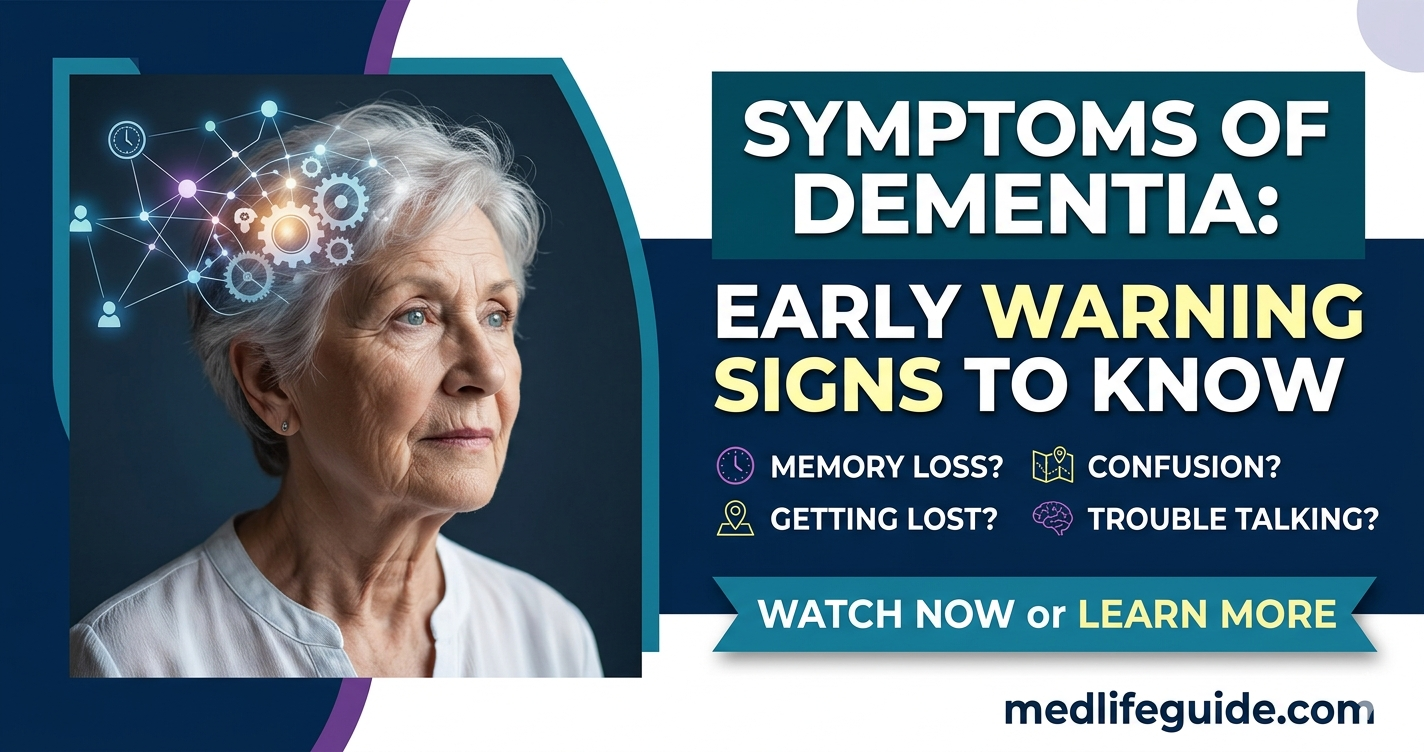
Dementia is a medical condition that causes a gradual decline in memory, thinking, and daily functioning. The symptoms of dementia usually develop slowly and worsen over time. Early signs may include memory loss, confusion, difficulty finding words, mood changes, and trouble completing familiar tasks. Recognizing these symptoms early allows patients and families to seek medical evaluation, identify treatable causes, and plan care.
What Is Dementia?
Dementia is not a single disease. It is a group of symptoms caused by damage to brain cells that affects memory, reasoning, behavior, and the ability to perform everyday activities.
The most common cause is Alzheimer’s disease, but other conditions can also cause dementia, including:
- Vascular dementia
- Lewy body dementia
- Frontotemporal dementia
- Mixed dementia
Doctors diagnose dementia when cognitive decline interferes with independent daily life.
Early Symptoms of Dementia
The early symptoms of dementia often appear subtle. Many families mistake them for normal aging. However, persistent cognitive changes should be evaluated by a healthcare professional.
1. Memory Loss That Disrupts Daily Life
Short-term memory problems are the most common early symptom.
Patients may:
- Forget recently learned information
- Repeat the same questions
- Depend heavily on notes or reminders
- Misplace objects frequently
Occasional forgetfulness happens with aging, but dementia causes persistent and worsening memory loss.
2. Difficulty Planning or Solving Problems
People with dementia often struggle with tasks that require concentration or organization.
Examples include:
- Trouble following recipes
- Difficulty paying bills
- Problems tracking monthly expenses
- Trouble completing multi-step tasks
These issues occur because dementia affects the brain regions responsible for executive functioning.
3. Difficulty Completing Familiar Tasks
Daily activities that once felt easy may become confusing.
Examples include:
- Getting lost while driving familiar routes
- Forgetting the steps of cooking a meal
- Difficulty operating household appliances
- Trouble remembering work tasks
This symptom reflects declining cognitive processing and sequencing ability.
4. Confusion About Time or Place
People with dementia may lose track of time or location.
Common signs include:
- Forgetting the date or season
- Losing track of time
- Becoming confused about where they are
- Not remembering how they arrived somewhere
In advanced stages, patients may struggle to recognize familiar environments.
5. Trouble Understanding Visual Information
Some forms of dementia affect visual perception.
Patients may experience:
- Difficulty judging distance
- Problems reading
- Trouble identifying objects
- Increased risk of falls
Visual-spatial impairment is especially common in Lewy body dementia and Alzheimer’s disease.
6. Problems With Words in Speaking or Writing
Language difficulties are another common symptom.
Patients may:
- Stop mid-sentence and forget what they were saying
- Struggle to find the right word
- Use incorrect words
- Repeat phrases frequently
These problems arise from degeneration in language processing areas of the brain.
7. Misplacing Items and Losing Ability to Retrace Steps
People with dementia often place objects in unusual locations.
Examples include:
- Putting keys in the refrigerator
- Losing wallets or phones
- Accusing others of stealing misplaced items
As the disease progresses, patients may lose the ability to retrace their steps to find missing items.
8. Poor Judgment or Decision Making
Dementia can impair decision-making ability.
Signs may include:
- Giving away large amounts of money
- Falling for scams
- Neglecting personal hygiene
- Making unsafe financial choices
This occurs when the disease affects frontal brain regions responsible for judgment.
9. Withdrawal From Work or Social Activities
Many patients begin avoiding hobbies or social events.
Reasons include:
- Difficulty following conversations
- Fear of embarrassment
- Trouble remembering rules of games
- Loss of interest in activities
Social withdrawal can worsen isolation and accelerate cognitive decline.
10. Mood and Personality Changes
Dementia can cause emotional and behavioral changes.
Common symptoms include:
- Depression
- Anxiety
- Irritability
- Suspicion
- Personality shifts
Some patients become unusually fearful or easily upset when routines change.
How Dementia Symptoms Progress Over Time
Dementia typically develops in three clinical stages.
Early Stage (Mild Dementia)
Symptoms are subtle but noticeable.
Common signs:
- Mild memory loss
- Difficulty concentrating
- Forgetting appointments
- Word-finding problems
Patients can still live independently.
Middle Stage (Moderate Dementia)
Symptoms become more noticeable.
Patients may experience:
- Increased confusion
- Personality changes
- Trouble recognizing family members
- Difficulty performing daily activities
Caregiver support often becomes necessary.
Late Stage (Severe Dementia)
Severe brain damage causes profound disability.
Symptoms may include:
- Inability to communicate
- Loss of mobility
- Difficulty swallowing
- Complete dependence on caregivers
At this stage, full-time care is required.
Conditions That Can Mimic Dementia Symptoms
Not all cognitive problems mean dementia. Some medical conditions cause reversible cognitive impairment.
Examples include:
- Vitamin B12 deficiency
- Thyroid disorders
- Depression
- Medication side effects
- Brain infections
- Normal pressure hydrocephalus
A proper medical evaluation is necessary to identify treatable causes.
Risk Factors for Developing Dementia
Several risk factors increase the likelihood of dementia.
Non-Modifiable Risk Factors
These cannot be changed.
- Increasing age
- Family history of dementia
- Genetic mutations
- Certain neurological diseases
Age remains the strongest known risk factor.
Modifiable Risk Factors
Some lifestyle factors influence dementia risk.
Examples include:
- High blood pressure
- Diabetes
- Smoking
- Physical inactivity
- Obesity
- Poor diet
Managing these conditions may help reduce dementia risk.
Unique Clinical Takeaways
1. Early Behavioral Changes Often Appear Before Memory Loss
Clinical research shows that personality and behavioral changes can precede memory symptoms, especially in frontotemporal dementia.
Examples include:
- Sudden lack of empathy
- Impulsive behavior
- Poor social judgment
- Loss of motivation
Families may initially interpret these changes as stress or mood problems rather than neurological disease. Early recognition improves diagnostic accuracy.
2. Sudden Cognitive Decline Suggests Alternative Diagnoses
Dementia usually develops gradually over months or years. Rapid decline within days or weeks may indicate other conditions.
Possible causes include:
- Delirium from infections
- Medication toxicity
- Stroke
- Brain tumors
- Severe metabolic disorders
These conditions require urgent medical evaluation because some are reversible.
3. Sensory Impairments Can Worsen Cognitive Symptoms
Hearing loss and vision impairment can accelerate cognitive decline in older adults.
Research suggests that:
- Hearing loss increases dementia risk
- Sensory deprivation reduces brain stimulation
- Social isolation worsens cognitive health
Treating hearing and vision problems may slow functional decline in dementia patients.
When to See a Doctor
Medical evaluation is recommended if someone experiences:
- Persistent memory loss
- Difficulty performing daily tasks
- Confusion about time or place
- Sudden personality changes
- Language problems
- Getting lost in familiar areas
Doctors may perform several tests:
- Cognitive screening tests
- Neurological examination
- Blood tests
- Brain imaging (MRI or CT scan)
Early diagnosis helps identify treatable conditions and allows families to plan long-term care.
How Dementia Is Diagnosed
Doctors diagnose dementia using multiple methods.
Medical History
A detailed history helps identify symptom patterns and risk factors.
Cognitive Testing
Doctors may use screening tools such as:
- Mini-Mental State Examination (MMSE)
- Montreal Cognitive Assessment (MoCA)
These tests evaluate memory, language, attention, and problem solving.
Brain Imaging
Imaging helps detect structural changes in the brain.
Common tests include:
- MRI scan
- CT scan
- PET scan
These tests help identify causes such as strokes, tumors, or neurodegenerative disease.
Can Dementia Be Prevented?
There is no guaranteed prevention for dementia, but several lifestyle choices may lower risk.
Evidence-based strategies include:
- Regular physical activity
- Healthy diet such as the Mediterranean diet
- Blood pressure control
- Diabetes management
- Cognitive stimulation
- Social engagement
These factors support overall brain health.
Living With Dementia
People with dementia benefit from supportive care strategies.
Helpful approaches include:
- Maintaining daily routines
- Using memory aids
- Creating safe home environments
- Encouraging physical activity
- Providing caregiver support
Early care planning improves quality of life for patients and families.
References and Citations
Internal references used in this article include authoritative medical sources:
- National Institute on Aging (NIA) – Dementia symptoms and causes
https://www.nia.nih.gov/health/dementia - Alzheimer’s Association – Early warning signs of dementia
https://www.alz.org/alzheimers-dementia/10_signs - Mayo Clinic – Dementia overview and symptoms
https://www.mayoclinic.org/diseases-conditions/dementia - Centers for Disease Control and Prevention (CDC) – Cognitive decline and dementia
https://www.cdc.gov/aging/dementia - World Health Organization (WHO) – Dementia fact sheets
https://www.who.int/news-room/fact-sheets/detail/dementia
Medical Disclaimer
This article is for educational purposes only and does not replace professional medical advice, diagnosis, or treatment. Individuals experiencing symptoms of dementia should consult a qualified healthcare professional for proper evaluation and care.