
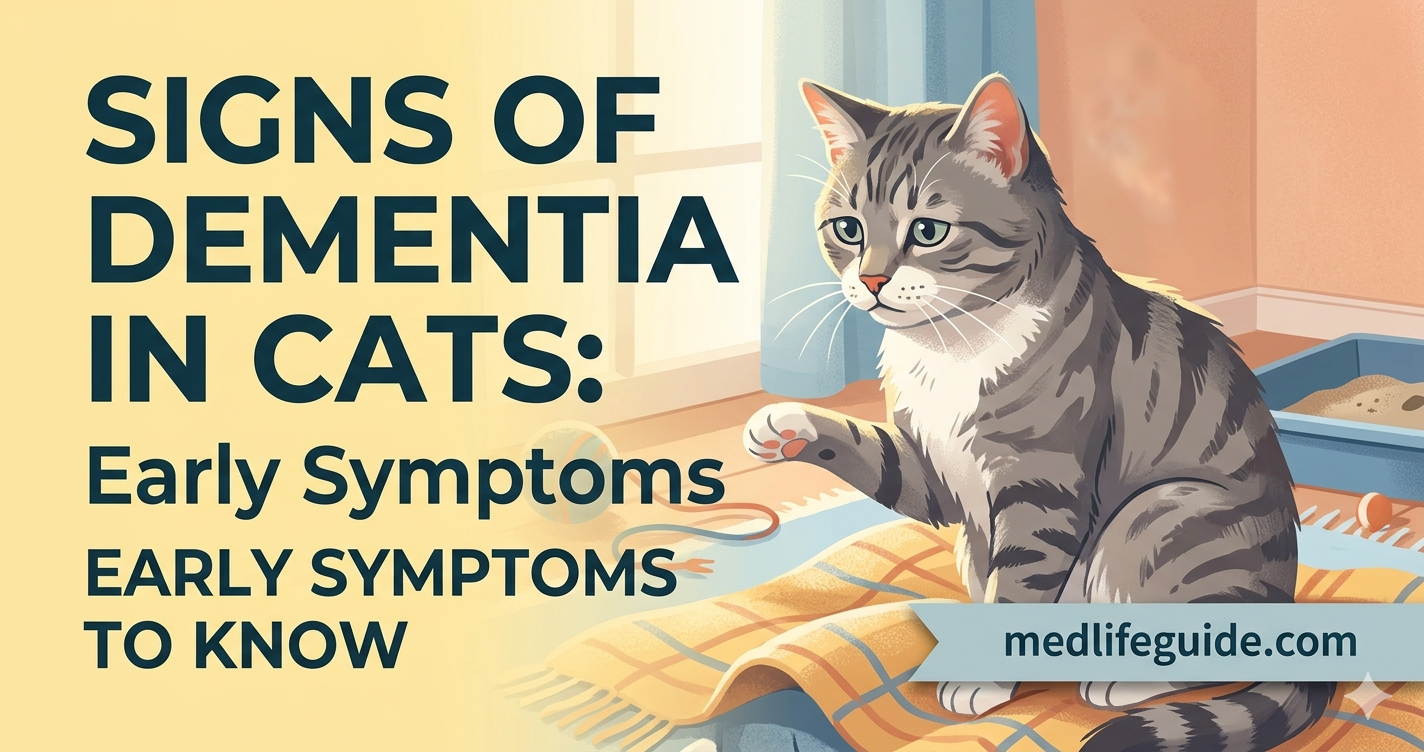
Cognitive decline can occur in aging cats just as it does in humans. Veterinarians refer to this condition as Feline Cognitive Dysfunction (FCD). It affects memory, awareness, sleep cycles, and behavior.
Research published in veterinary neurology journals indicates that cognitive decline becomes more common in cats older than 10–15 years. Som
Cognitive decline can occur in aging cats just as it does in humans. Veterinarians refer to this condition as Feline Cognitive Dysfunction (FCD). It affects memory, awareness, sleep cycles, and behavior.
Research published in veterinary neurology journals indicates that cognitive decline becomes more common in cats older than 10–15 years. Some behavioral changes may appear subtle at first, but recognizing the signs of dementia in cats early allows veterinarians to rule out other diseases and develop supportive care strategies.
What Is Dementia in Cats?
Feline dementia, clinically called Feline Cognitive Dysfunction (FCD), is a progressive neurological disorder that affects the brain of older cats.
The condition involves:
- Degeneration of brain tissue
- Reduced neurotransmitter function
- Accumulation of abnormal proteins similar to those seen in human neurodegenerative disorders
Veterinary neurologists note that these changes interfere with memory, learning ability, and normal behavior patterns.
The disorder typically develops in senior cats, especially those older than 11 years. However, symptoms often become more obvious after age 14.
Why Dementia Happens in Aging Cats
Several biological changes contribute to cognitive decline in cats.
Brain Aging
With age, neurons in the brain gradually lose function. This can affect areas responsible for memory and spatial awareness.
Oxidative Stress
Veterinary research shows that oxidative damage accumulates in aging brain cells. This damage interferes with normal nerve signaling.
Protein Deposits
Studies in veterinary pathology have identified beta-amyloid protein deposits in the brains of older cats. These deposits are similar to those observed in human Alzheimer’s disease.
Reduced Blood Flow
Age-related vascular changes can reduce blood supply to parts of the brain, which may worsen cognitive impairment.
Common Signs of Dementia in Cats
Veterinarians often use the DISHA behavioral framework to identify symptoms of feline cognitive dysfunction. This framework includes Disorientation, Interaction changes, Sleep changes, House soiling, and Activity changes.
Disorientation
Disorientation is one of the earliest and most recognizable symptoms.
Cats with cognitive decline may:
- Wander aimlessly around the house
- Get stuck in corners or behind furniture
- Stare at walls or empty spaces
- Appear confused in familiar areas
Owners sometimes report that their cat seems lost inside its own home.
Changes in Social Interaction
Cats with dementia may behave differently toward their owners or other pets.
Possible changes include:
- Reduced interest in affection
- Sudden clinginess or increased dependency
- Unusual irritability or aggression
- Avoiding familiar family members
These behavioral shifts occur because cognitive decline affects emotional processing in the brain.
Sleep–Wake Cycle Disturbances
Many cats with dementia experience reversed sleep patterns.
Symptoms may include:
- Sleeping more during the day
- Restlessness at night
- Loud nighttime vocalization
- Pacing around the house during late hours
Veterinary neurologists consider nighttime vocalizing a common symptom in feline cognitive dysfunction.
House Soiling
Cats that previously used a litter box consistently may start eliminating outside it.
Possible reasons include:
- Forgetting litter box locations
- Reduced ability to recognize the litter box
- Difficulty reaching the box due to confusion
Veterinarians always rule out urinary infections or kidney disease before attributing this behavior to dementia.
Changes in Activity Levels
Activity patterns can also change.
Cats may show:
- Decreased interest in playing
- Reduced grooming habits
- Increased wandering behavior
- Repetitive pacing
These changes often appear gradually over months.
Other Behavioral Changes to Watch
Some additional signs of dementia in cats may include:
- Excessive vocalization without a clear reason
- Loss of learned behaviors
- Difficulty navigating stairs or furniture
- Increased anxiety when routines change
Because these signs overlap with other medical conditions, a veterinary evaluation is necessary.
Unique Clinical Takeaways
Cognitive Symptoms Can Mimic Pain or Chronic Disease
Many behaviors associated with feline dementia can also occur with medical illnesses.
For example:
- Kidney disease may cause nighttime vocalization.
- Arthritis pain may cause decreased activity or litter box accidents.
- Vision loss may cause disorientation.
Veterinarians therefore perform comprehensive diagnostic evaluations before diagnosing cognitive dysfunction. Blood tests, urine analysis, and physical exams are commonly used to rule out other disorders.
Environmental Stress Accelerates Cognitive Decline
Clinical observations in veterinary behavior studies suggest that environmental instability may worsen cognitive symptoms in older cats.
Risk factors include:
- Frequent household changes
- Loss of companion animals
- Relocation to new homes
- Reduced mental stimulation
Maintaining consistent daily routines and familiar environments helps reduce stress in aging cats.
Early Intervention Can Slow Symptom Progression
Although feline dementia cannot currently be cured, early intervention may slow cognitive decline.
Veterinary care strategies may include:
- Nutritional support with antioxidant-rich diets
- Environmental enrichment such as puzzle feeders
- Consistent daily routines
- Veterinary-prescribed medications in selected cases
Evidence from veterinary nutrition research suggests that omega-3 fatty acids and antioxidant nutrients may support brain health in aging pets.
How Veterinarians Diagnose Dementia in Cats
There is no single laboratory test that confirms feline cognitive dysfunction. Diagnosis typically involves excluding other medical conditions.
Veterinary evaluation may include:
Medical History
Veterinarians review:
- Behavioral changes
- Onset and duration of symptoms
- Changes in appetite or sleep
Owner observations are essential for identifying patterns.
Physical Examination
A full physical exam helps detect signs of pain, infection, or neurological disease.
Blood and Urine Testing
Common tests include:
- Complete blood count (CBC)
- Kidney and liver function tests
- Urinalysis
These tests help rule out metabolic diseases that can cause behavioral changes.
Neurological Assessment
In some cases, veterinarians evaluate:
- Reflex responses
- Coordination
- Awareness levels
Advanced imaging such as MRI may be used if neurological disease is suspected.
Treatment Options for Feline Dementia
While there is no cure for dementia in cats, several approaches can help manage symptoms and improve quality of life.
Dietary Support
Special veterinary diets formulated for aging pets often contain:
- Antioxidants
- Vitamin E and vitamin C
- Omega-3 fatty acids
- L-carnitine
These nutrients help reduce oxidative stress in the brain.
Environmental Enrichment
Maintaining mental stimulation can support cognitive function.
Helpful strategies include:
- Puzzle feeders
- Interactive toys
- Regular play sessions
- Climbing structures
Consistent Daily Routine
Cats with cognitive decline respond better when their environment remains predictable.
Owners should keep consistent schedules for:
- Feeding times
- Litter box placement
- Sleeping areas
Medication
In some cases, veterinarians may prescribe medications that support neurological function. These medications aim to improve neurotransmitter activity or reduce anxiety.
Medication decisions depend on the cat’s overall health status.
Caring for a Cat with Dementia
Supporting an aging cat requires adjustments that make daily life easier and safer.
Veterinary behavior specialists recommend:
- Placing multiple litter boxes around the house
- Using night lights to help navigation
- Providing easy access to food and water
- Avoiding sudden environmental changes
Comfort and routine help reduce confusion in cats experiencing cognitive decline.
When to See a Veterinarian
Owners should schedule a veterinary appointment if an older cat shows:
- Persistent confusion
- Sudden behavior changes
- Frequent nighttime vocalization
- Litter box accidents
- Loss of appetite or weight
Early evaluation helps determine whether symptoms are caused by dementia or other treatable diseases.
Prognosis for Cats with Dementia
Feline cognitive dysfunction progresses slowly in most cases.
Many cats can live months to several years after diagnosis with supportive care. Quality of life depends on:
- Overall health status
- Severity of cognitive decline
- Environmental support
Veterinary monitoring allows treatment plans to be adjusted as symptoms change.
References and Citations
- American Veterinary Medical Association (AVMA) – Cognitive dysfunction in aging pets – medlifeguide.com/avma-cognitive-dysfunction
- Cornell University College of Veterinary Medicine – Feline cognitive dysfunction syndrome – medlifeguide.com/cornell-feline-cds
- American Animal Hospital Association (AAHA) – Senior pet care guidelines – medlifeguide.com/aaha-senior-pets
- Journal of Veterinary Behavior – Age-related cognitive decline in cats – medlifeguide.com/jvb-feline-cognition
- International Cat Care – Cognitive dysfunction in older cats – medlifeguide.com/international-cat-care-cds
Medical Disclaimer
This article is for educational purposes only and does not replace professional veterinary advice, diagnosis, or treatment. Cat owners should consult a licensed veterinarian regarding any behavioral or medical concerns affecting their pet.
Thank You For Visiting Our Website https://medlifeguide.com/. We Value Your Feedback!