
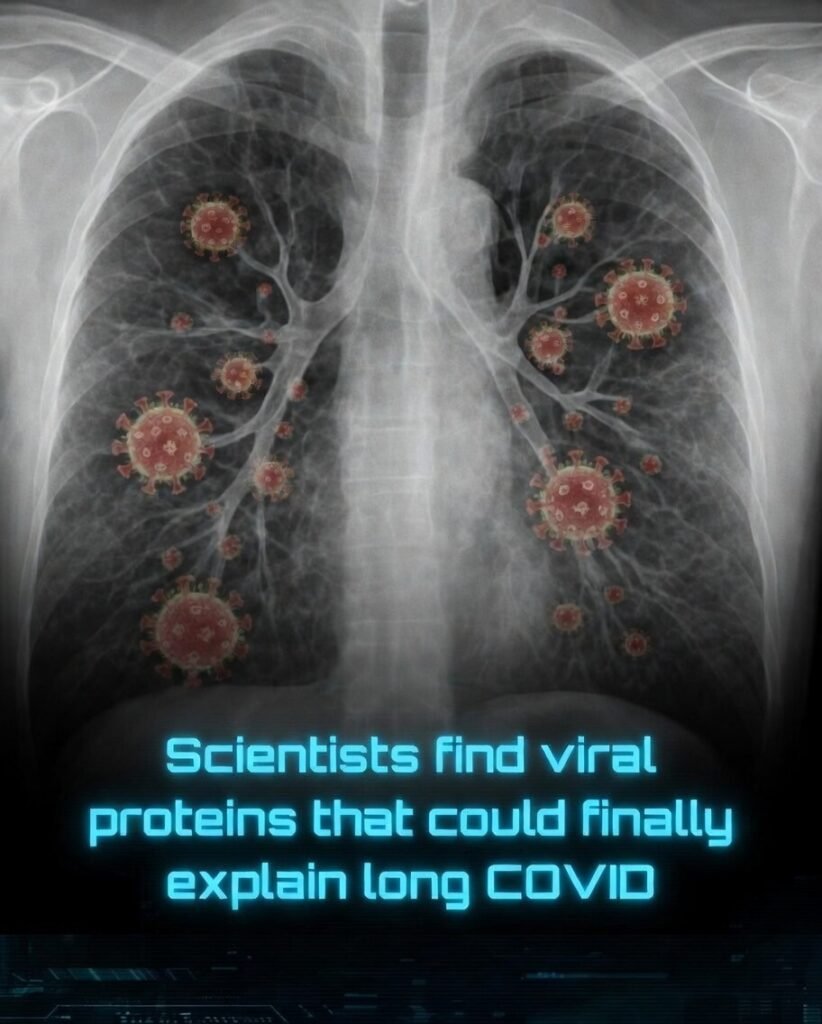
A groundbreaking July 2025 study published in the journal Infection has provided compelling new evidence supporting the biological basis of long COVID. Researchers detected SARS-CoV-2 protein fragments inside extracellular vesicles (EVs) — tiny, naturally occurring packages in the blood — from patients experiencing persistent symptoms long after
A groundbreaking July 2025 study published in the journal Infection has provided compelling new evidence supporting the biological basis of long COVID. Researchers detected SARS-CoV-2 protein fragments inside extracellular vesicles (EVs) — tiny, naturally occurring packages in the blood — from patients experiencing persistent symptoms long after their initial COVID-19 infection. This discovery, achieved through advanced mass spectrometry, identified unique viral peptides absent in control samples, positioning these fragments as a potential objective diagnostic biomarker for long COVID.
What the Study Found: Viral Remnants in Blood
The research, led by investigators including Asghar Abbasi and William Stringer from institutions like the Lundquist Institute and TGen (part of City of Hope), analyzed serum EVs from 14 adults with long COVID. Blood samples were collected over multiple time points during a 12-week aerobic exercise training program, yielding 56 samples in total.
Using mass spectrometry techniques — including discovery proteomics and targeted parallel reaction monitoring — the team identified 65 distinct SARS-CoV-2 peptides mapping to the viral replicase polyprotein 1ab (Pp1ab). This protein is essential for viral replication and is unique to SARS-CoV-2, not present in uninfected human cells.
These viral fragments were detected in 22 of the 56 EV samples from long COVID patients, appearing in all participants at some point but not in every draw. Crucially, no such peptides were found in pre-pandemic control EV samples.
This suggests persistent viral remnants may linger in the body, transported via EVs, potentially driving chronic inflammation and symptoms such as fatigue, brain fog, and shortness of breath.
A major breakthrough may finally explain long COVID — and provide concrete proof that it's a real, biologically driven condition rather than just psychological or lingering effects.
— Massimo (@Rainmaker1973) March 9, 2026
In a 2025 study, researchers detected persistent fragments of SARS-CoV-2 viral proteins hidden… pic.twitter.com/XokJFX7IYP
Why This Matters for Long COVID Diagnosis and Understanding
Long COVID has often been diagnosed based on subjective symptom reports, leading to challenges in validation and treatment. This small-scale study (n=14) strengthens the case for a biological origin by linking detectable viral elements to ongoing symptoms.
EVs act as intercellular messengers, carrying proteins, lipids, nucleic acids, and metabolites. When they harbor viral components, they may contribute to immune activation, inflammation, and even viral dissemination long after acute infection clears.
If validated in larger cohorts, testing for SARS-CoV-2 fragments in EVs could become the first specific, quantifiable biomarker for confirming long COVID — shifting diagnosis from symptom-based to objective and measurable.
Public Reaction and Ongoing Debates
Social media discussions around this finding reveal a polarized response. Many long COVID sufferers express validation, seeing it as proof that their debilitating symptoms stem from real physiological changes rather than psychological factors.
Others remain skeptical, with some attributing persistent issues to vaccine side effects or other causes unrelated to viral persistence.
These debates highlight the broader post-pandemic discourse, where scientific advances intersect with personal experiences, misinformation, and calls for more research.
Looking Ahead: Next Steps and Implications
While promising, the study’s small sample size calls for replication in larger, diverse populations. Future work could explore whether these EV-contained fragments correlate with symptom severity, respond to treatments, or serve as targets for therapies aimed at clearing viral remnants.
This research adds to growing evidence of viral persistence in tissues and blood post-COVID, offering hope for better diagnostics and targeted interventions for millions affected by long COVID.
For the full study, see: Abbasi A, et al. “Possible long COVID biomarker: identification of SARS-CoV-2 related protein(s) in Serum Extracellular Vesicles.” Infection. 2025. DOI: 10.1007/s15010-025-02612-x (open access).
Have you or someone you know experienced long COVID symptoms? Share your thoughts in the comments below — and stay tuned for updates on this evolving field of research.
Thank You For Visiting Our Website https://medlifeguide.com/. We Value Your Feedback!