
Medically Reviewed and Compiled by Dr. Adam N. Khan, MD.
Quick Answer: The 4 Stages of COPD
Chronic Obstructive Pulmonary Disease (COPD) is categorized into four stages based on the GOLD System (Global Initiative for Chronic Obstructive Lung Disease). These stages are determined by how well your lungs function during a breathing test calle
Medically Reviewed and Compiled by Dr. Adam N. Khan, MD.
Quick Answer: The 4 Stages of COPD
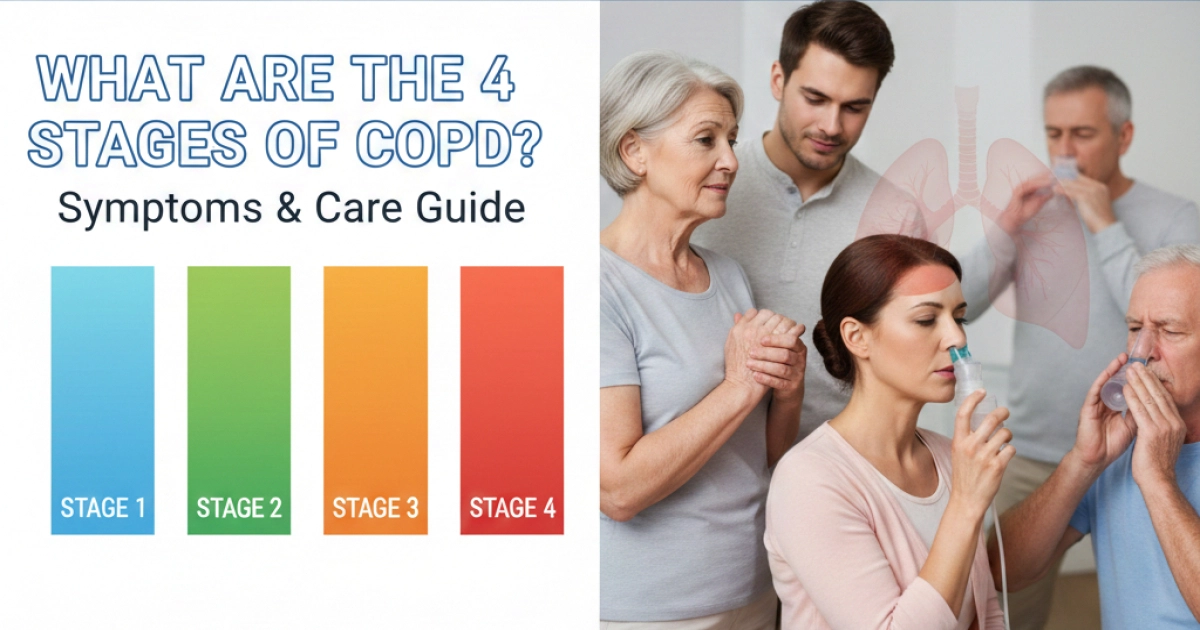
Chronic Obstructive Pulmonary Disease (COPD) is categorized into four stages based on the GOLD System (Global Initiative for Chronic Obstructive Lung Disease). These stages are determined by how well your lungs function during a breathing test called spirometry:
- Stage 1 (Mild): Slight airflow limitation; you might have a nagging cough or think you’re just “out of shape.”
- Stage 2 (Moderate): Shortness of breath during physical activity becomes noticeable.
- Stage 3 (Severe): Significant breathing difficulty, frequent “flare-ups,” and reduced ability to do daily chores.
- Stage 4 (Very Severe): Extremely limited airflow; life-threatening complications and the need for supplemental oxygen.
Living with COPD: A Deep Dive into the Four Stages
Breathing is something most of us take for granted until it becomes difficult. If you or a loved one has been diagnosed with Chronic Obstructive Pulmonary Disease (COPD), it can feel overwhelming. However, understanding the stages of the disease is the first step toward taking control of your health.
COPD isn’t a single event; it is a progressive journey. Doctors use the GOLD System to help patients understand where they stand and what treatment will work best. Here is a breakdown of those stages in plain English.
Stage 1: The Mild Stage
In the early days, COPD is sneaky. You might notice a “smoker’s cough” or feel a little winded after walking up a flight of stairs. Many people at this stage don’t even realize they have a lung condition.
- Lung Function: Your FEV1 (the amount of air you can blow out in one second) is 80% or higher.
- What it feels like: You might have some mucus production or a persistent cough.
- The Goal: The focus here is prevention. According to the Mayo Clinic, quitting smoking is the most vital step you can take in Stage 1 to stop further damage.
Stage 2: The Moderate Stage
This is usually when people finally visit a doctor. The symptoms are no longer easy to ignore. You might find yourself stopping to catch your breath while grocery shopping or doing light housework.
- Lung Function: Your FEV1 is between 50% and 79%.
- What it feels like: Shortness of breath (dyspnea) increases. You might experience “exacerbations”—times when your symptoms suddenly get much worse.
- The Goal: Management. Doctors often prescribe “rescue inhalers” or pulmonary rehabilitation exercises to keep your lungs as active as possible.
Stage 3: The Severe Stage
At this point, COPD begins to dictate your daily schedule. Physical activity is very limited, and fatigue becomes a constant companion.
- Lung Function: Your FEV1 is between 30% and 49%.
- What it feels like: You may experience frequent chest infections, swollen ankles (due to heart strain), and difficulty breathing even while resting.
- The Goal: Improving quality of life. This often involves long-acting bronchodilators and perhaps steroids to reduce lung inflammation. The COPD Foundation provides excellent resources for community support during this stage.
Stage 4: The Very Severe Stage
This is the final stage, often referred to as “End-Stage COPD.” Airflow is extremely blocked, and the lungs can no longer move enough oxygen into the blood or get enough carbon dioxide out.
- Lung Function: Your FEV1 is less than 30%, or you have low blood oxygen levels.
- What it feels like: Every breath feels like a struggle. Simple tasks like getting dressed can be exhausting. There is a high risk of heart or lung failure.
- The Goal: Intensive care. This usually involves Supplemental Oxygen Therapy and, in some cases, surgical interventions like lung volume reduction or a transplant.
How to Improve Your Outlook
Regardless of the stage, you are not powerless. Modern medicine offers several ways to slow the progression:
- Pulmonary Rehab: A guided exercise program that teaches you how to breathe more efficiently.
- Vaccinations: Staying up to date on flu and pneumonia shots prevents infections that could be fatal for COPD patients.
- Healthy Diet: Eating small, frequent, high-protein meals can give you the energy needed to breathe without feeling too full or bloated.
Summary of Key Takeaways
- Early Detection is Key: The earlier you start treatment, the better your long-term results.
- Consistency Matters: Use your maintenance inhalers exactly as prescribed by your healthcare provider.
- Stay Active: It sounds counterintuitive, but moving your body helps your lungs stay “fit.”