
Medically Reviewed and Compiled by Dr. Adam N. Khan, MD.
What is Acute Kidney Failure?
When your kidneys suddenly stop working, it’s like a city losing its water filtration system overnight. Waste builds up, your blood chemistry gets out of balance, and your body struggles to maintain its rhythm. This is known as Acute Kidney Failure (AKF), or mor
Medically Reviewed and Compiled by Dr. Adam N. Khan, MD.
What is Acute Kidney Failure?
When your kidneys suddenly stop working, it’s like a city losing its water filtration system overnight. Waste builds up, your blood chemistry gets out of balance, and your body struggles to maintain its rhythm. This is known as Acute Kidney Failure (AKF), or more commonly in the medical world, Acute Kidney Injury (AKI).
Unlike chronic kidney disease, which is a slow “fade” over many years, acute failure is a “crash.” It happens fast—usually within a few hours or a couple of days. The good news? Because it’s sudden, it is often reversible if you catch it early.
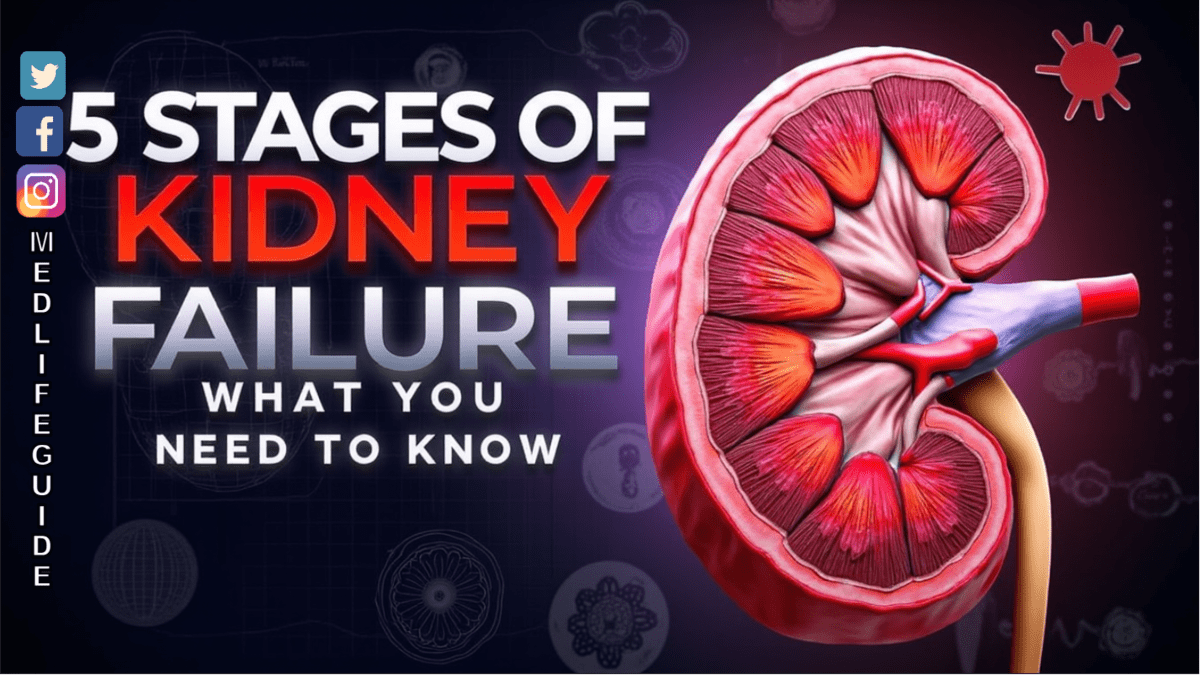
To understand how to fix it, we have to look at the process. Doctors usually break this down into five distinct stages or phases. Understanding these stages helps you know what to expect and, more importantly, when to seek urgent help.
The 5 Stages of Acute Kidney Failure
In the medical community, we often use the RIFLE criteria or the KDIGO guidelines to stage kidney injury. However, for most people, it’s easier to view these through the lens of how the body actually experiences the “crash” and the “recovery.”
1. The Onset (The Trigger Phase)
This is the “pre-game” of kidney failure. It is the period between the initial injury and the moment your kidney function starts to drop.
- What’s happening: Your kidneys have been hit by something. It might be severe dehydration, a massive infection (sepsis), or a reaction to a new medication.
- Duration: This can last from a few hours to a couple of days.
- The Signs: You might not feel “kidney pain” yet. Instead, you’ll feel the symptoms of the cause. If it’s dehydration, you’ll be incredibly thirsty. If it’s an infection, you might have a high fever.
- The Goal: Catching the problem here is the “Gold Standard.” If you hydrate or stop the offending drug now, you might skip the next four stages entirely.
2. The Oliguric Phase (The “Stall” Phase)
This is the most dangerous stage. “Oliguria” is just a fancy medical term for “not peeing enough.”
- What’s happening: Your kidneys are so damaged they can no longer filter blood or produce urine effectively. Toxins like urea and creatinine begin to flood your bloodstream.
- The Signs: * Low Urine Output: You’re going to the bathroom much less than usual.
- Swelling (Edema): Since the water isn’t leaving through urine, it stays in your legs, ankles, and around your eyes.
- Mental Fog: As toxins build up, you might feel confused or unusually tired.
- Key Risks: This stage can lead to high potassium levels, which can be dangerous for your heart. This is often where patients may need temporary dialysis to do the kidneys’ job for them.
3. The Diuretic Phase (The “Flood” Phase)
If the Oliguric phase is about being “plugged up,” the Diuretic phase is about the “floodgates opening.” This is actually a sign that your kidneys are starting to heal, but it comes with its own set of risks.
- What’s happening: The kidneys start to make urine again. However, they aren’t “smart” yet. They can filter out water, but they can’t quite balance the electrolytes (like salt and potassium) yet.
- The Signs: You will be peeing a lot. You might produce 3 to 5 liters of urine a day.
- The Goal: The biggest risk here is dehydration. Because the kidneys are dumping water so fast, your blood pressure can drop. Doctors will focus on “matching” your output with IV fluids to keep you stable.
4. The Recovery Phase (The “Repair” Phase)
This is the final stretch. Your kidneys are learning how to be “smart” again. They begin to concentrate urine properly and balance your body’s chemistry.
- What’s happening: Laboratory tests (like your GFR or Creatinine levels) start to return to normal. Your energy returns, and the swelling goes down.
- Duration: This stage is slow. It can take anywhere from three months to a full year for the kidneys to reach their maximum “new normal” strength.
- The Reality: While many people recover fully, some may be left with a small amount of permanent scarring. This is why long-term follow-up is vital.
5. Potential Transition to Chronic Kidney Disease (CKD)
While many people think of “5 stages” as a linear path to recovery, the fifth “stage” in a clinical sense is often the outcome. If the kidneys do not fully recover within three months, the condition is reclassified.
- What’s happening: If the damage was too severe, the acute injury becomes Chronic Kidney Disease.
- Management: This involves long-term lifestyle changes, blood pressure management, and diet adjustments to protect the remaining kidney function.
What Causes the Sudden “Crash”?
To prevent these stages from happening again, we have to look at the “Why.” Doctors usually categorize the causes into three buckets:
| Category | What it Means | Common Examples |
| Prerenal | Problems before the kidney | Severe bleeding, dehydration, heart failure. |
| Intrinsic | Damage inside the kidney | Toxins, certain antibiotics, severe infection. |
| Postrenal | Problems after the kidney | Kidney stones, enlarged prostate, or tumors. |
Common Symptoms to Watch For
Kidney failure is often called a “silent” problem because the early stages can feel like a bad flu. If you notice a combination of these, seek medical help:
- A sudden change in bathroom habits: Not going for several hours or dark-colored urine.
- Shortness of breath: Fluid building up in the lungs.
- Chest pain or pressure: Often caused by fluid around the heart.
- Persistent Nausea: Your body trying to get rid of toxins through your digestive system.
- Unexplained Swelling: Especially in the feet and ankles.
How is it Diagnosed?
If a doctor suspects you are entering these stages, they will run a few key tests:
- Urinalysis: Checking for blood or protein in your pee.
- Blood Tests: Specifically looking for Creatinine and BUN (Blood Urea Nitrogen). If these are high, it means your kidneys aren’t filtering well.
- Imaging: An ultrasound can show if there is a blockage (like a stone) causing the “backup.”
Treatment: What to Expect
The treatment depends entirely on which stage you are in.
- Fluid Management: If you’re dehydrated, you get IV fluids. If you’re swollen (Oliguric phase), you get diuretics to help you pee.
- Dietary Changes: You may be asked to limit potassium and salt. High potassium can cause heart rhythm issues, so this is taken very seriously.
- Dialysis: This isn’t always permanent. In acute cases, dialysis is often used as a “bridge” to keep you safe while your kidneys rest and heal.
Can You Prevent It?
While some causes are out of your control, you can lower your risk by:
- Staying Hydrated: Especially during illness or heavy exercise.
- Managing Medications: Be careful with NSAIDs (like Ibuprofen or Naproxen). Taking too many of these for too long is a leading cause of kidney stress.
- Controlling Chronic Conditions: If you have high blood pressure or diabetes, keeping those under control is the best “shield” for your kidneys.
Final Thoughts
Acute kidney failure sounds scary, and it is a serious medical event. However, the kidneys are incredibly resilient organs. By understanding the 5 stages—from the initial trigger to the long road of recovery—you can better advocate for your health and work with your medical team to get back on track.
Medlifeguide give information about also kidney diseases, chronic kidney disease (CKD) and also diet plans for kidney health; reach out to acheive these information for your and your family’s health
Medical Disclaimer
All content published on medlifeguide is intended for informational and educational purposes only and does not substitute professional medical advice, diagnosis, or treatment. Always consult a qualified healthcare provider regarding any medical condition, symptoms, or treatment decisions.