
Medically Reviewed and Compiled by Dr. Adam N. Khan, MD.
What is Heart Disease? A Quick and Simple Overview
Heart disease is a broad term used to describe several different conditions that affect how your heart works. Most often, it refers to problems where the blood vessels leading to the heart become narrowed or blocked, which can lead to a hear
Medically Reviewed and Compiled by Dr. Adam N. Khan, MD.
What is Heart Disease? A Quick and Simple Overview
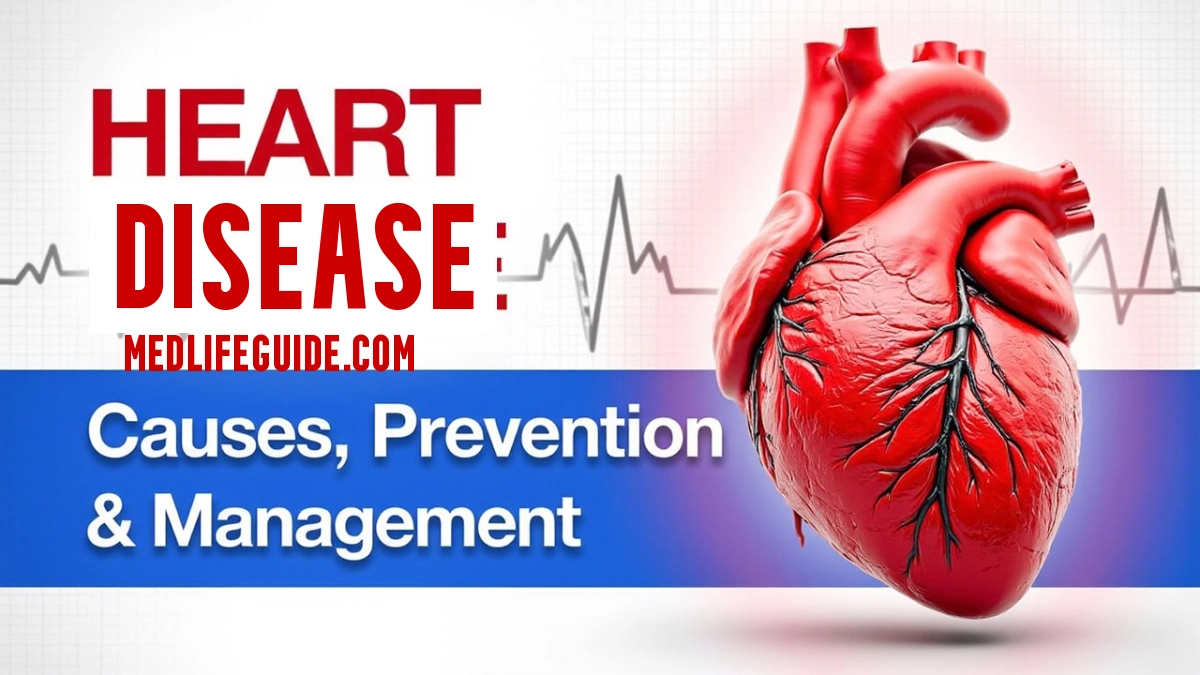
Heart disease is a broad term used to describe several different conditions that affect how your heart works. Most often, it refers to problems where the blood vessels leading to the heart become narrowed or blocked, which can lead to a heart attack or chest pain. However, it also includes issues with your heart’s rhythm, heart defects you are born with, and diseased heart valves. At its core, heart disease is about the heart’s inability to pump blood effectively to the rest of your body, which can impact your energy, breathing, and overall lifespan.
Understanding Your Heart: The Body’s Engine
Think of your heart as the engine of a car. It is a muscle that pumps blood to every part of your body. This blood carries oxygen and nutrients that your brain, lungs, and muscles need to survive. When the “pipes” (arteries) get clogged or the “timing” (rhythm) gets off, the engine can’t do its job.
In 2026, we understand more than ever that heart health isn’t just about old age. It is a lifelong journey. Even small choices you make today—like what you eat or how much you move—change how well your “engine” runs ten years from now.
Common Types of Heart Disease
Not all heart problems are the same. Here are the main types you should know about:
1. Coronary Artery Disease (CAD)
This is the most common type. It happens when plaque (a sticky mix of fat and cholesterol) builds up in the arteries. This narrows the path for blood, making it hard for the heart to get the oxygen it needs.
2. Arrhythmia
This is a problem with the “electrical system” of the heart. Your heart might beat too fast, too slow, or in an uneven way. You might feel this as a “fluttering” in your chest.
3. Heart Valve Disease
Your heart has valves that act like doors. They open and shut to keep blood moving in the right direction. If a valve doesn’t open all the way or leaks, your heart has to work much harder.
4. Heart Failure
This doesn’t mean the heart has stopped. It means the heart is too weak to pump blood as well as it should. It causes tiredness and shortness of breath because the body isn’t getting enough fresh blood.
The Warning Signs: What Does it Feel Like?
Many people think a heart problem always feels like a sharp pain in the chest. While that can happen, the signs are often much quieter.
- Chest Discomfort: It might feel like pressure, squeezing, or fullness. It often lasts more than a few minutes.
- Shortness of Breath: Feeling winded even when you aren’t doing much.
- Pain in Other Areas: You might feel discomfort in your arms (especially the left one), neck, jaw, or back.
- Nausea or Lightheadedness: Feeling sick to your stomach or dizzy for no clear reason.
- Swelling: If your ankles or feet are swelling up, it could be a sign your heart isn’t pumping blood back up your body effectively.
Why Does Heart Disease Happen? (Risk
Factors)
Some things we can’t change, like our age or our family history. But many “triggers” for heart disease are things we can control.
High Blood Pressure
Think of blood pressure like water pressure in a garden hose. If the pressure is too high for too long, it damages the walls of the hose. High blood pressure wears out your arteries.
High Cholesterol
Cholesterol is a waxy substance in your blood. Too much “bad” cholesterol (LDL) creates those clogs we talked about earlier.
Diabetes
High blood sugar can damage the nerves and blood vessels that control your heart. People with diabetes need to be extra careful about their heart health.
Lifestyle Choices
- Smoking: This is one of the biggest risks. Smoking damages the lining of your arteries and reduces the oxygen in your blood.
- Lack of Movement: Your heart is a muscle. If you don’t use it, it gets weaker.
- Poor Diet: Eating too much salt, sugar, and processed fats creates inflammation and weight gain.
How to Protect Your Heart: A Step-by-Step Guide
The good news is that heart disease is often preventable. You don’t have to change everything overnight. Small, steady steps make a huge difference.
Eat More “Real” Food
Try to fill your plate with things that grow from the earth.
- Fiber: Beans, oats, and whole grains help “sweep” cholesterol out of your body.
- Healthy Fats: Use olive oil instead of butter. Eat nuts and fish.
- Less Salt: Salt holds onto water in your body, which raises your blood pressure. Try herbs and spices for flavor instead.
Move Your Body Daily
You don’t need to run a marathon. Walking for 30 minutes a day is one of the best things you can do for your heart. It helps lower your blood pressure and keeps your weight in a healthy range.
Manage Your Stress
When you are stressed, your body releases a hormone called cortisol. Constant stress keeps your heart in “emergency mode,” which is exhausting for the muscle. Finding time to breathe deeply, pray, or enjoy a hobby is actually “medical care” for your heart.
Sleep is a Superpower
In our busy 2026 world, we often skip sleep. But your heart slows down and rests while you sleep. If you don’t sleep enough, your blood pressure stays higher for longer periods.
Modern Testing: How Doctors Check Your Heart
If you are worried about your heart, a doctor has many ways to check its health without it being scary.
- Blood Tests: To check your cholesterol and sugar levels.
- EKG (Electrocardiogram): This records the electrical activity of your heart to see if the rhythm is normal.
- Echocardiogram: This is like an ultrasound for your heart. It uses sound waves to create a picture of your heart while it beats.
- Stress Test: You walk on a treadmill while hooked up to a monitor to see how your heart handles work.
The Connection Between Mind and Heart
We now know that mental health and heart health are linked. People who feel lonely or depressed often have a higher risk of heart problems. This is because the brain and heart communicate through the nervous system. Taking care of your mind—by talking to friends or getting professional help—is a vital part of protecting your chest.
Summary Table: Quick Heart Tips
| Action | Why it Helps | Easy Starting Point |
| Walk More | Lowers blood pressure | Park further away from the store. |
| Eat Fiber | Lowers bad cholesterol | Add a spoonful of beans to your lunch. |
| Quit Smoking | Repairs artery linings | Talk to a doctor about a patch or gum. |
| Lower Salt | Reduces heart strain | Don’t put the salt shaker on the table. |
| Stay Social | Lowers stress hormones | Call a friend once a week. |
Final Thoughts from a Human Perspective
Heart disease sounds scary, but knowledge is your best defense. Your heart is incredibly tough and wants to keep you moving. By giving it the right fuel, a bit of exercise, and plenty of rest, you can live a long, vibrant life. You don’t have to be perfect; you just have to be mindful.
Medical Disclaimer
All content published on medlifeguide is intended for informational and educational purposes only and does not substitute professional medical advice, diagnosis, or treatment. Always consult a qualified healthcare provider regarding any medical condition, symptoms, or treatment decisions.